Japan Scraps Ban on Lethal Arms Exports
Cabinet approves guidelines ending postwar ban, allowing exports to 17 countries and backing a $6.5 billion frigate deal with Australia.

 The Gateway Pundit
Japan Lifts Ban on Weapon Exports In Break With Post-WW2 Pacifism (VIDEOS) | The Gateway Pundit | by Paul Serran
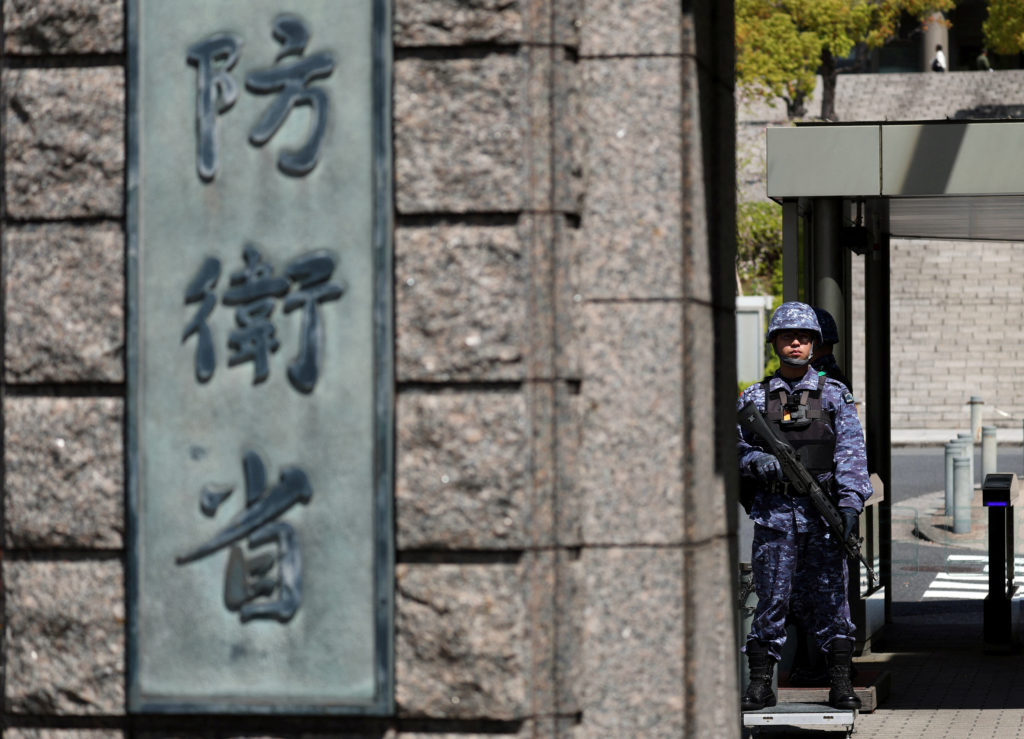
 PBS NewsHour
Japan lifts ban on lethal weapons exports in major change of its postwar pacifist policy
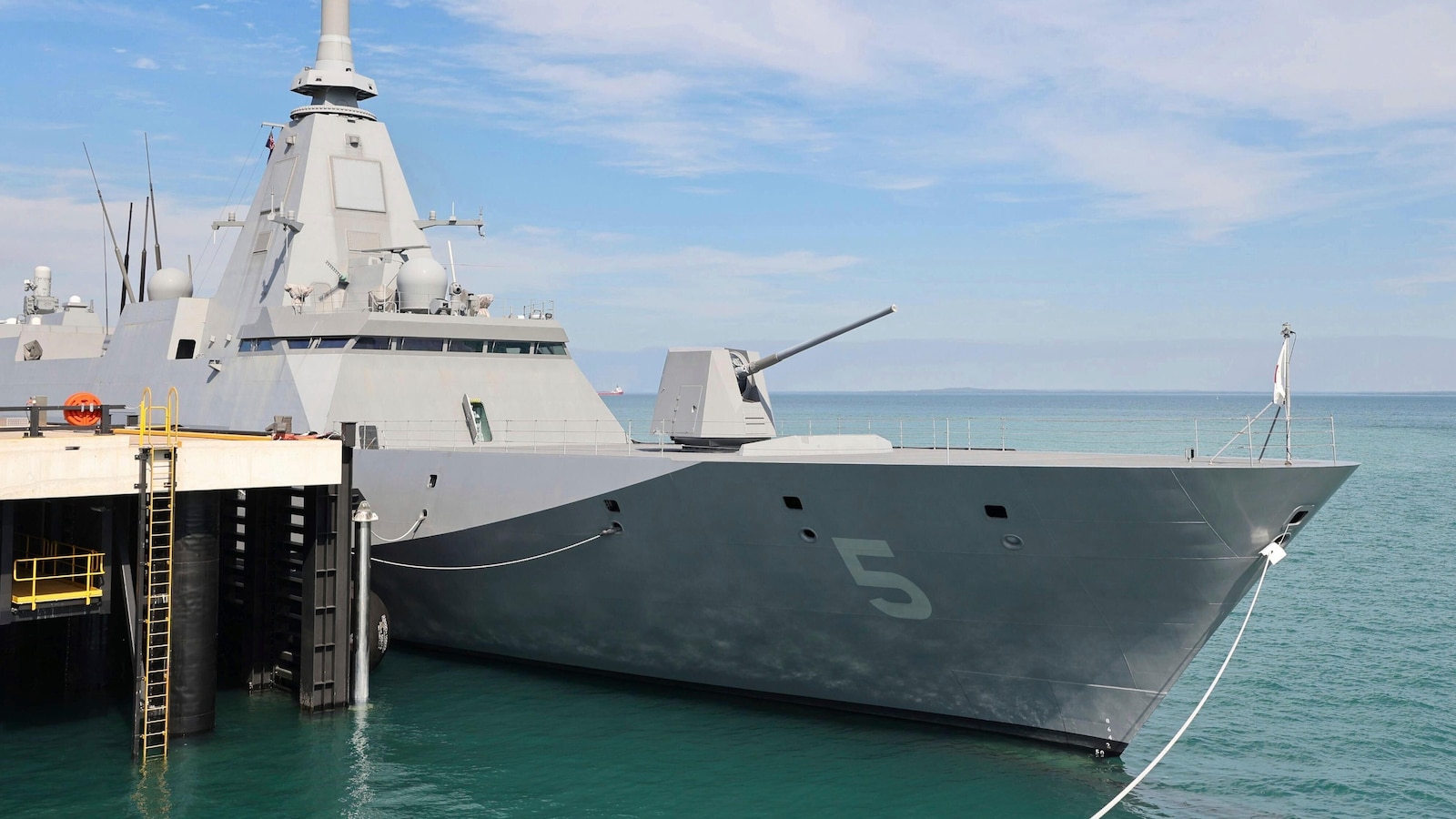
 ABC News
Japan scraps a ban on lethal weapons exports in a change of its postwar pacifist policy

 Epoch Times
Japan Ends Decades-Long Ban on Lethal Arms Exports in Major Security Shift
Overview
Prime Minister Sanae Takaichi's Cabinet approved new guidelines scrapping Japan's ban on lethal weapons exports, clearing final hurdles for sales of warships, combat drones and other weapons, officials said.
The government said the change aims to build up Japan's arms industry and deepen cooperation with defense partners amid worries over Chinese and North Korean aggression, Chief Cabinet Secretary Minoru Kihara told reporters.
China criticized the move, with Foreign Ministry spokesperson Guo Jiakun saying the global community including China will "resolutely resist Japan's reckless moves toward a new type of militarism," while defense partners welcomed the policy and opponents said it violates the pacifist constitution.
Under the new rules, exports will be limited to 17 countries that have signed defense equipment and technology transfer agreements, must be approved by the National Security Council, and generally will not be offered to countries at war, officials said.
Japan has formalized a $6.5 billion frigate deal with Australia, and in December 2023 approved changes to allow sales of lethal weapons components to licensors and to jointly develop a sixth-generation fighter with Britain and Italy, officials said.
Analysis
Center-leaning sources report neutrally: they present government rationale (new export criteria; Kihara’s defense statement) alongside public objections (polls, constitutional and regional-safety concerns) and economic context (defense industry pressures). Editorial choices largely summarize source content rather than inject evaluative labels, limiting overt framing while highlighting competing perspectives.