RFK Jr. Defends Vaccine Guidance and HHS Cuts During Congressional Gauntlet
HHS Secretary Robert F. Kennedy Jr. defended proposed 2027 budget cuts, disputed blame for measles outbreaks, and faced bipartisan scrutiny over vaccine messaging, Medicaid changes, NIH cuts and CDC leadership vacancies.
 PBS NewsHour
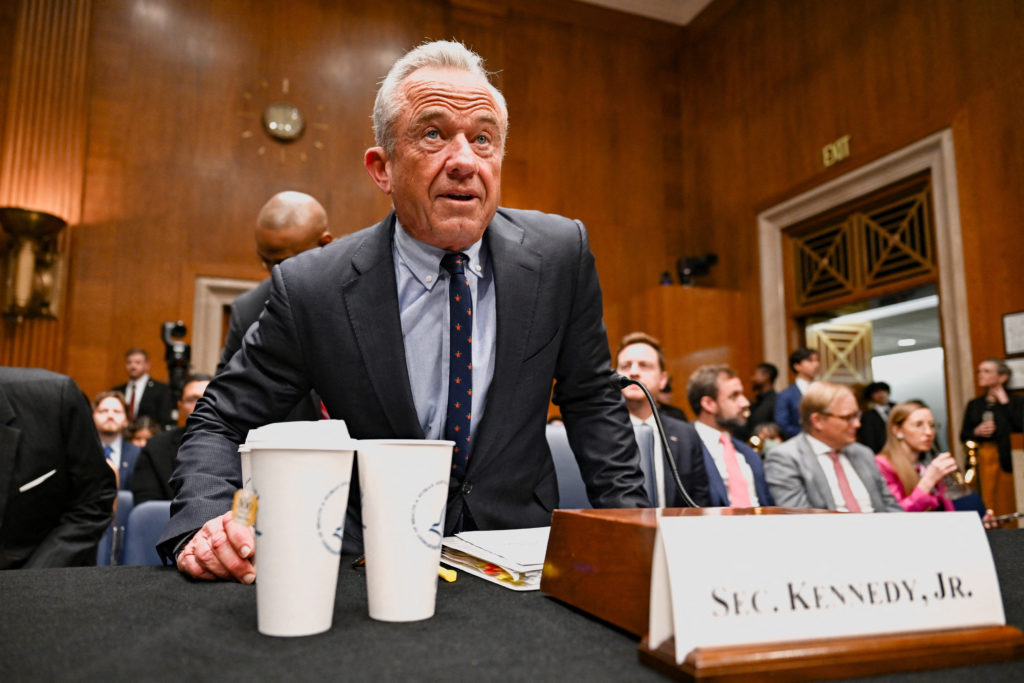
4 takeaways from Health Secretary RFK Jr.'s gauntlet of congressional hearings
 PBS NewsHour
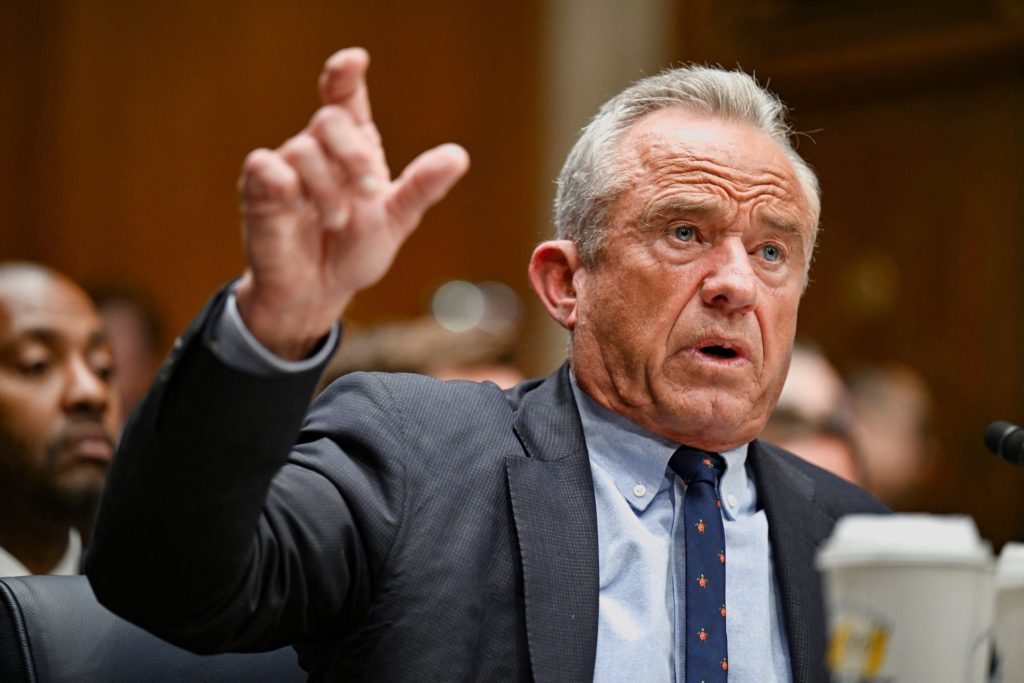
RFK Jr. defends vaccine guidance changes and health spending cuts
 Associated Press
Vaccines, budget cuts and affordability: Takeaways from RFK Jr’s gauntlet of congressional hearings
 The Guardian
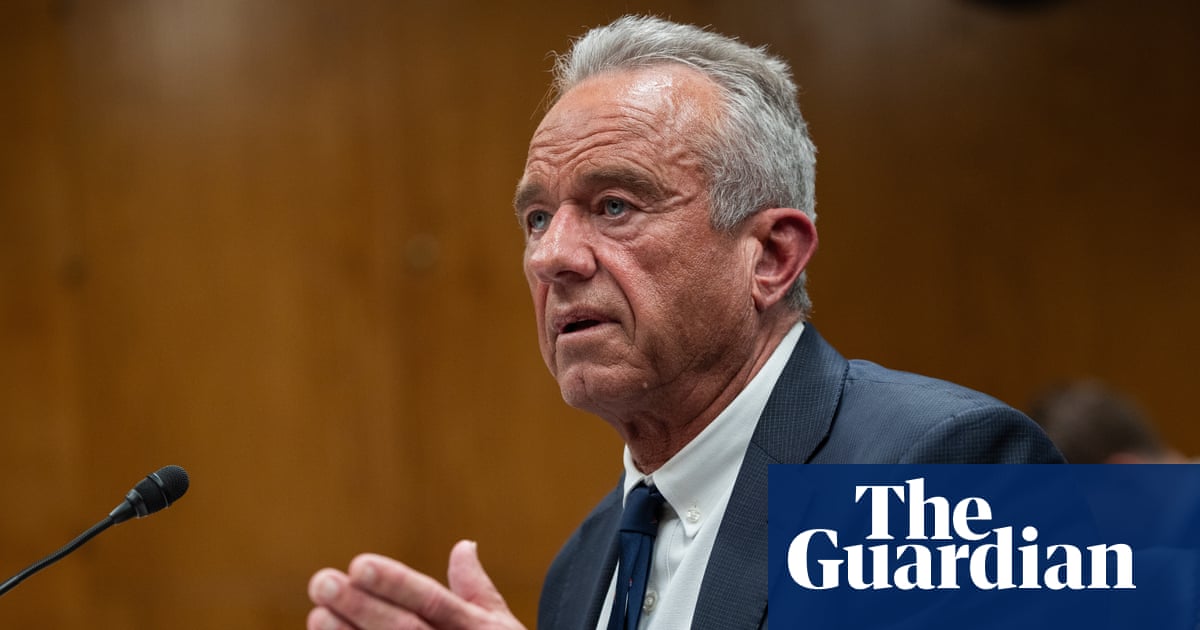
RFK Jr faces intense questions in US Senate on measles and flu deaths
Overview
On Wednesday, Health Secretary Robert F. Kennedy Jr. concluded marathon congressional hearings in which he defended President Donald Trump’s proposed 2027 HHS budget and changes to vaccine guidance, Kennedy said.
The administration’s 2027 budget would cut HHS by more than 12% of its more than $100 billion budget, including about $5 billion from NIH, to address a record $39 trillion federal deficit, Kennedy said.
Lawmakers across parties pressed Kennedy over vaccine messaging, with Sen. Ron Wyden saying Kennedy sowed doubt about vaccines and senators noting 2,288 measles cases last year and 1,748 cases already reported this year.
Democrats warned policies would create nearly $1 trillion in Medicaid cuts over the next decade, and Kennedy cited a CBO projection of Medicaid rising from $668 billion in 2025 to $981 billion in 2036.
Kennedy refused to release written pharmaceutical agreements citing trade secrets, pledged to provide nonproprietary details of drug pricing deals, and faces additional oversight as about 80% of senior CDC leadership roles remain unfilled, officials said.
Analysis
Center-leaning sources frame the story as a clash between scientific responsibility and partisan loyalty, emphasizing Cassidy’s political risk in confronting RFK Jr. Editorial choices use evaluative language (“competing loyalties,” “rollback,” “undermined protections”), prioritize experts and political consultants over pro-Kennedy voices, and highlight potential electoral consequences.