Supreme Court Revives Veteran's Lawsuit Over Bagram Bombing
6-3 ruling lets Winston Hencely pursue state-law negligence claims against Fluor over the Nov. 12, 2016 Bagram Airfield suicide bombing that killed five and wounded 17.
 Military Times
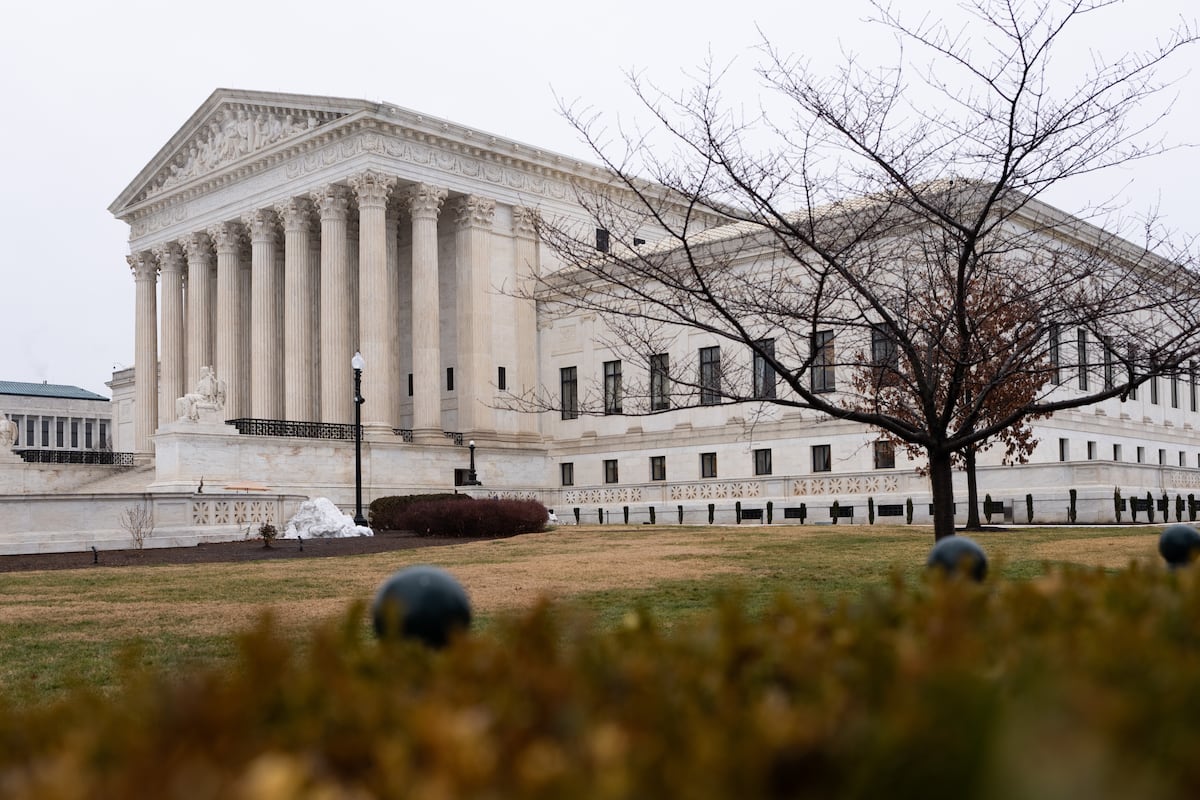
Supreme Court rules in favor of soldier who sued contractor over 2016 Bagram bombing
 Slate
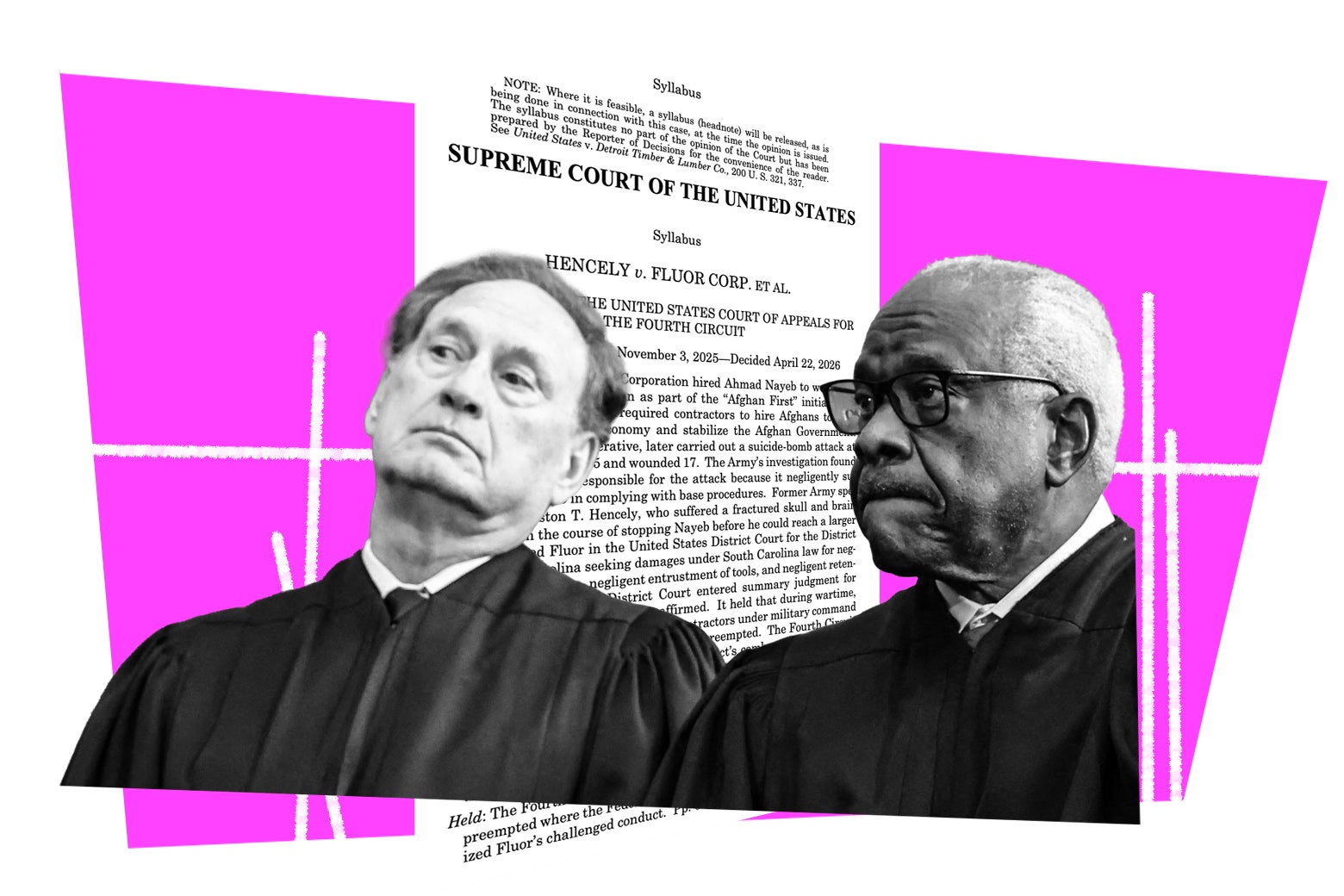
SlateWhy Clarence Thomas Just Handed a Major Legal Victory to Wounded Veterans

 Vox
VoxThe wide-ranging fallout from the Supreme Court’s new terrorism decision, explained
 Daily Signal
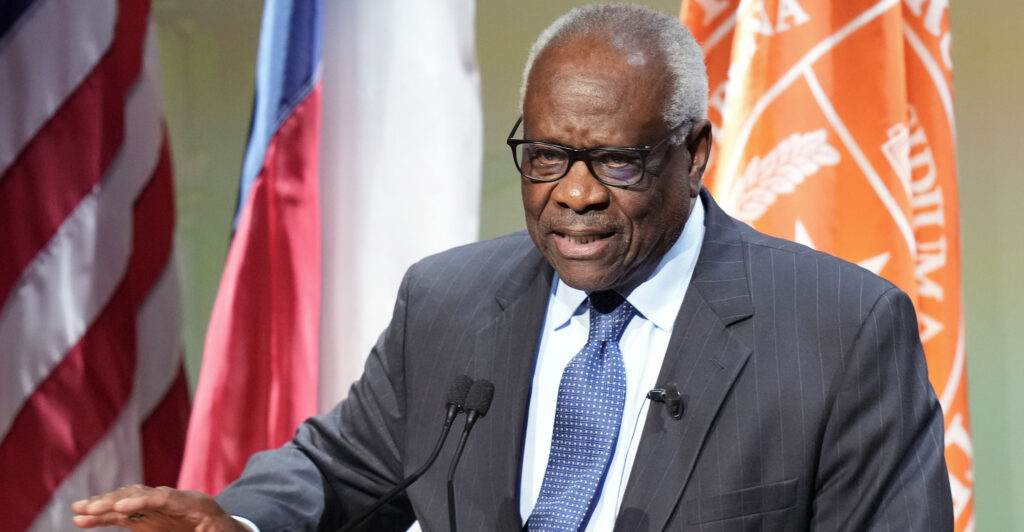
Not the Usual 6-3: Supreme Court Clears Way for Lawsuit Over Suicide Bombing - The Daily Signal
Overview
The Supreme Court in a 6-3 decision revived Winston Hencely's lawsuit allowing him to sue Fluor Corp. under state negligence law for the 2016 Bagram Airfield suicide bombing.
Hencely was wounded Nov. 12, 2016, when Afghan employee Ahmad Nayeb detonated a bomb at a Veterans Day 5K, killing five and wounding 17, according to court documents and an Army investigation.
An Army report found Fluor violated its contractual duties by providing tools used to build the bomb and failing to monitor Nayeb, a finding Hencely relied on in his negligence suit, court records show.
Justice Clarence Thomas wrote the majority opinion, joined by Justices Sonia Sotomayor, Elena Kagan, Neil Gorsuch, Amy Coney Barrett and Ketanji Brown Jackson, while Justices Samuel Alito, Chief Justice John Roberts and Brett Kavanaugh dissented.
The ruling overturns the Fourth Circuit's dismissal and clears Hencely's state-court claims to proceed, while families of the dead and other injured service members had suits held pending the decision.
Analysis
Center-leaning sources present this coverage neutrally: they attribute evaluative claims to official findings or justices, provide both majority opinion and dissent, and include factual background on the bombing and investigation. Examples: investigative findings cited for contractor failures, direct Thomas and dissent excerpts, and victims’ names for context.