Ceasefire Claims Stall War Powers Deadline as Oil, Gas Prices Jump
Hegseth says April ceasefire halts the 60-day War Powers clock after Feb. 28 strikes, while a Strait of Hormuz blockade pushes oil and gas prices higher.

 Raw Story
Republicans groan to WSJ as Trump poised to defy Congress
 Associated Press
Trump administration says its war in Iran has been 'terminated' before 60-day deadline
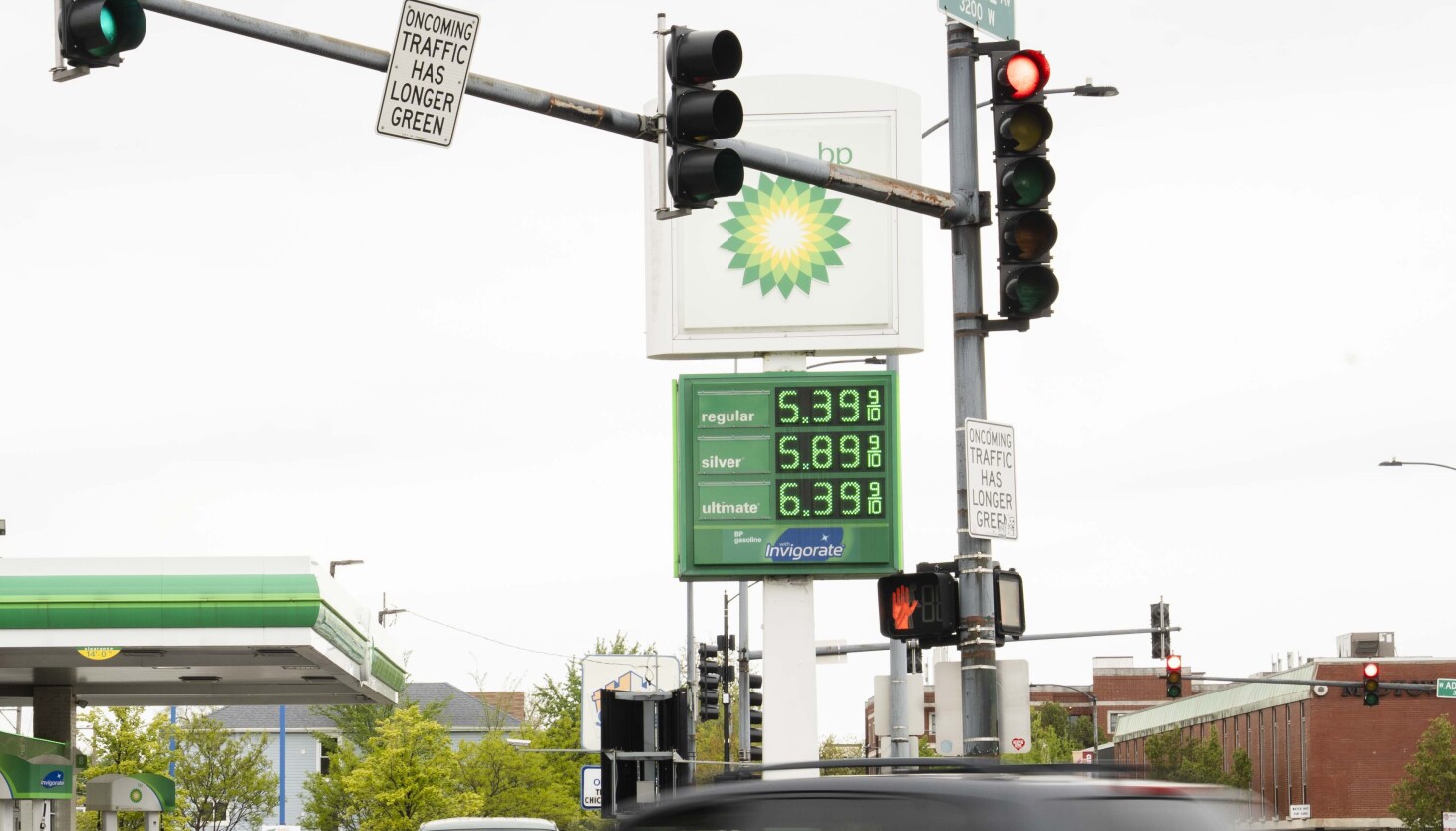
 Chicago Sun-Times
Chicago gas prices up again, reaching over $5 a gallon

 CBS News
Oil prices hit wartime peak, pushing U.S. gas costs to highest since level July 2022
Overview
Defense Secretary Pete Hegseth told the Senate Armed Services Committee that the ceasefire with Iran pauses the War Powers Resolution's 60-day clock.
A senior administration official said hostilities that began on Feb. 28 have 'terminated' because of a two-week ceasefire that began April 7, a view that could avoid seeking congressional approval.
Sen. Tim Kaine and Sen. Elizabeth Warren disputed that reading, Sen. Susan Collins said the 60-day deadline 'is not a suggestion,' and the Senate failed to advance the Iran War Powers resolution 50-47.
Closure of the Strait of Hormuz has disrupted about a fifth of the world's oil and coincided with Chicago's average regular gas rising to $5.01 and the national average to $4.30, AAA said.
The Pentagon comptroller testified the war has cost $25 billion so far; the Pentagon said it would ask for $200 billion in supplemental funding, though Hegseth denied that figure.
Analysis
Center-leaning sources frame the story around legal controversy and congressional oversight by foregrounding the administration’s 'terminated' claim but quickly highlighting legal skepticism. Editorial choices — loaded verbs like "arguing," selection of a Brennan Center expert calling it "legal gamesmanship," and leading with the 60-day deadline — emphasize legality over strategic or humanitarian context.