Supreme Court Limits Voting Rights Act, Prompting Louisiana Election Pause
Court's 6-3 Callais ruling narrows Section 2, prompting Louisiana's governor to pause a congressional election and raising threats to majority-minority districts nationwide.

 Raw Story
MAGA Louisiana Gov. just sent a chilling message with 'corrupt' order: expert

 Hot Air
Republicans Set to Best Democrats in Mid-Decade Redistricting War
 Breitbart News
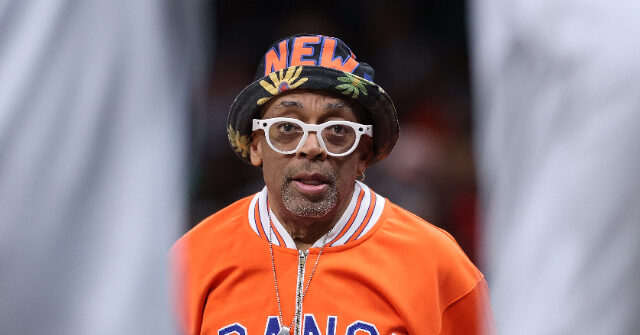
Spike Lee Calls Supreme Court Voiding Race-Based Redistricting Map in Louisiana an 'Attack on Voters'
 Daily Signal
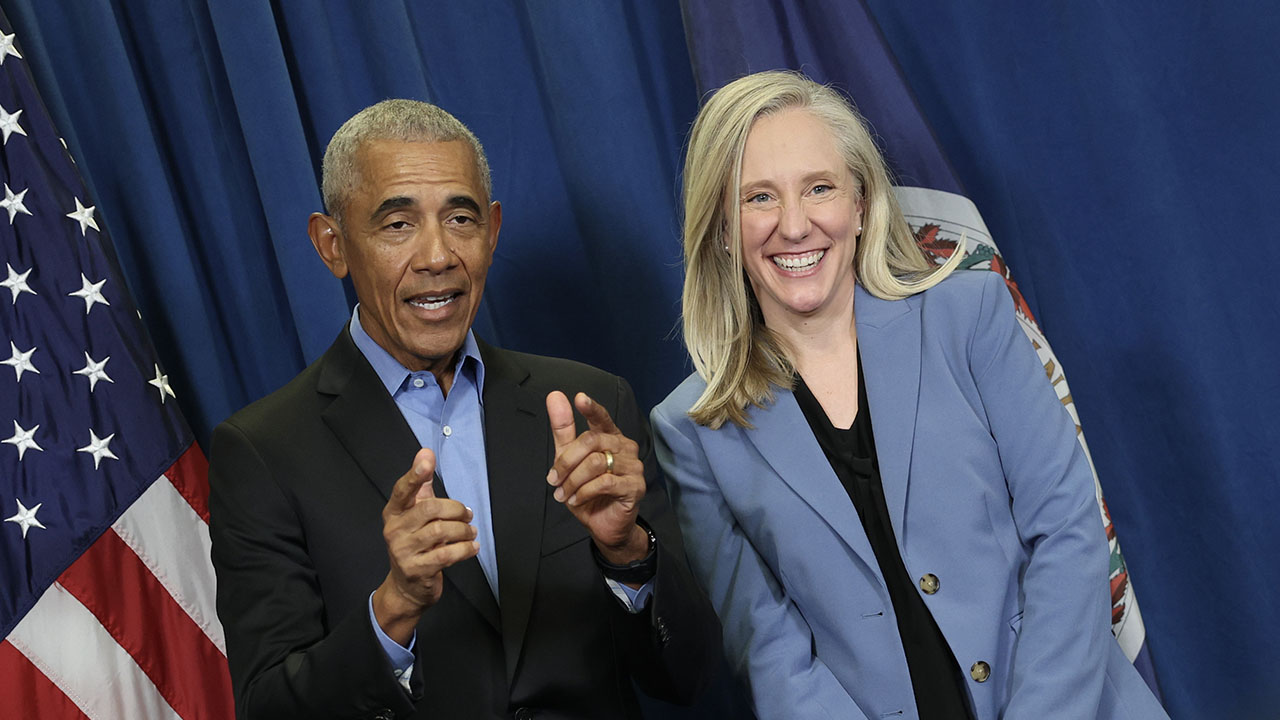
Obama's Breathtaking Racial Redistricting Hypocrisy
Overview
The U.S. Supreme Court in Louisiana v. Callais issued a 6-3 decision holding that Section 2 of the Voting Rights Act cannot be invoked to require race-conscious congressional maps, Justice Samuel Alito wrote for the majority.
Louisiana Gov. Jeff Landry signed a State of Emergency last week that canceled the state's upcoming congressional election while lawmakers redraw the map.
Marc Elias, a voting rights attorney, called Landry's emergency declaration "corrupt" and said it sent a "chilling message" that elections could be halted by executive action.
Legal analysis said the decision immediately makes existing majority-minority districts vulnerable and will likely produce a cascade of lawsuits and mid-decade redistricting in several states.
Justice Elena Kagan, joined by Justices Sonia Sotomayor and Ketanji Brown Jackson, dissented and warned the Court's ruling will set back racial equality in electoral opportunity and protect partisan gerrymanders.
Analysis
Center-leaning sources frame the story as a consequential rollback of racial protections by using loaded terms (e.g., “gutting” and “avalanche”), spotlighting GOP-led special sessions and voting-rights lawsuits, and structuring the piece around legal and electoral impacts. Quotes from governors are included but presented amid emphasis on destabilizing effects and delayed primaries.