Supreme Court Temporarily Preserves Telehealth Access to Mifepristone
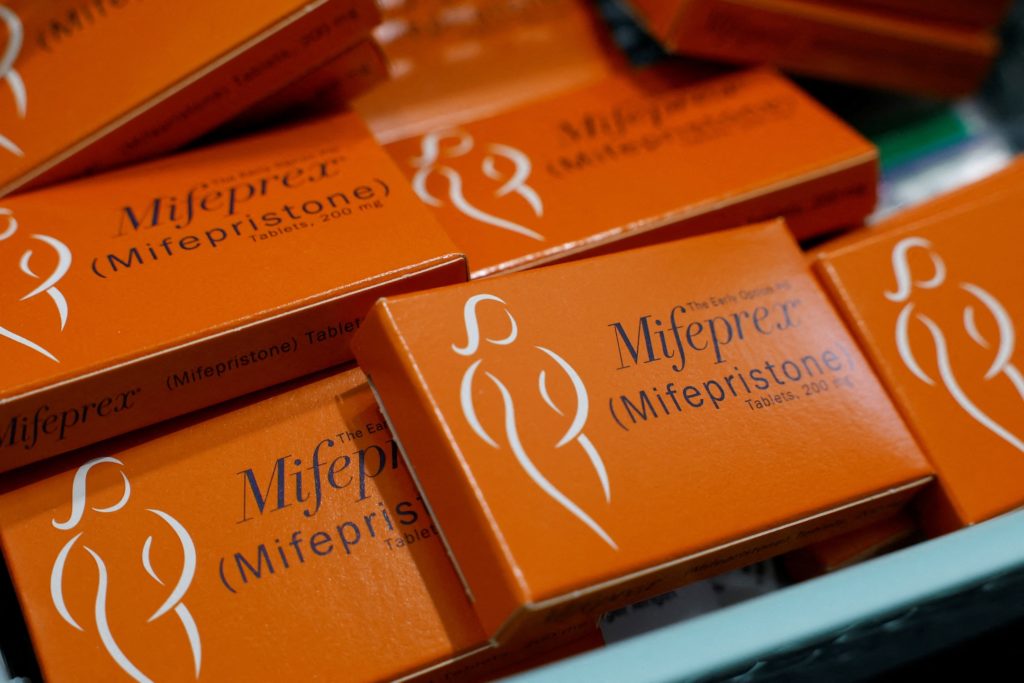
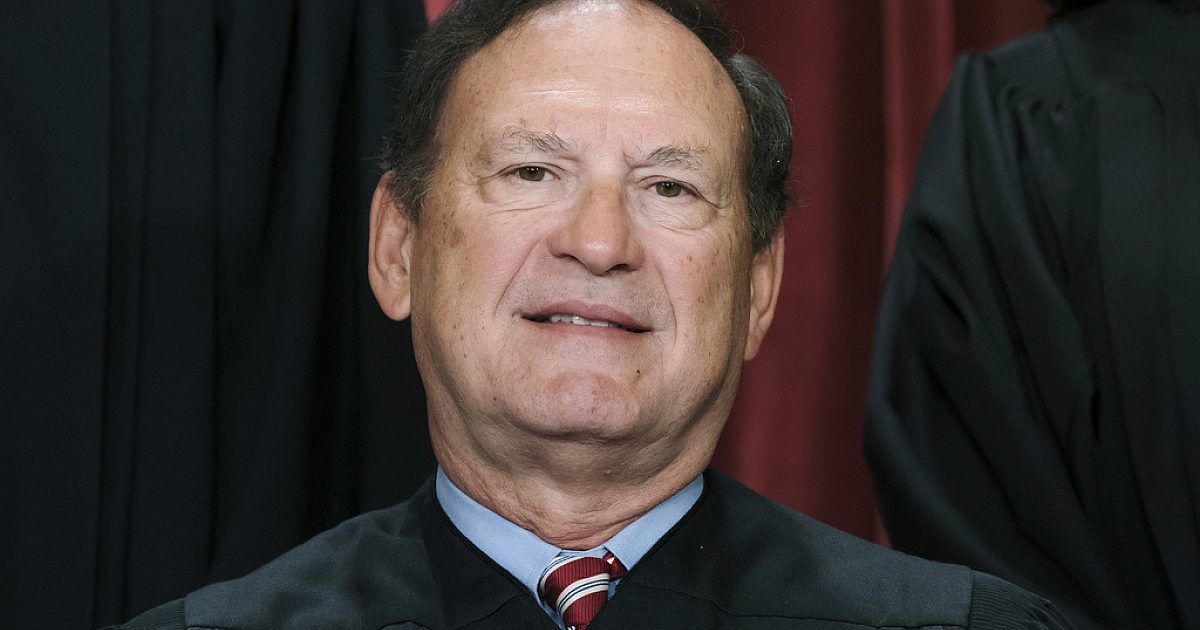
Justice Samuel Alito extended an order on Monday keeping mifepristone available by mail and telehealth until at least Thursday while the court reviews the appeals-court ruling.
 PBS NewsHour
News Wrap: Supreme Court temporarily extends access to mifepristone
 World News Group
Supreme Court extends order allowing abortion drugs to be mailed

 The Gateway Pundit
NEW: Supreme Court Temporarily Extends Access to Abortion Pill Via Mail | The Gateway Pundit | by Cristina Laila
 NPR
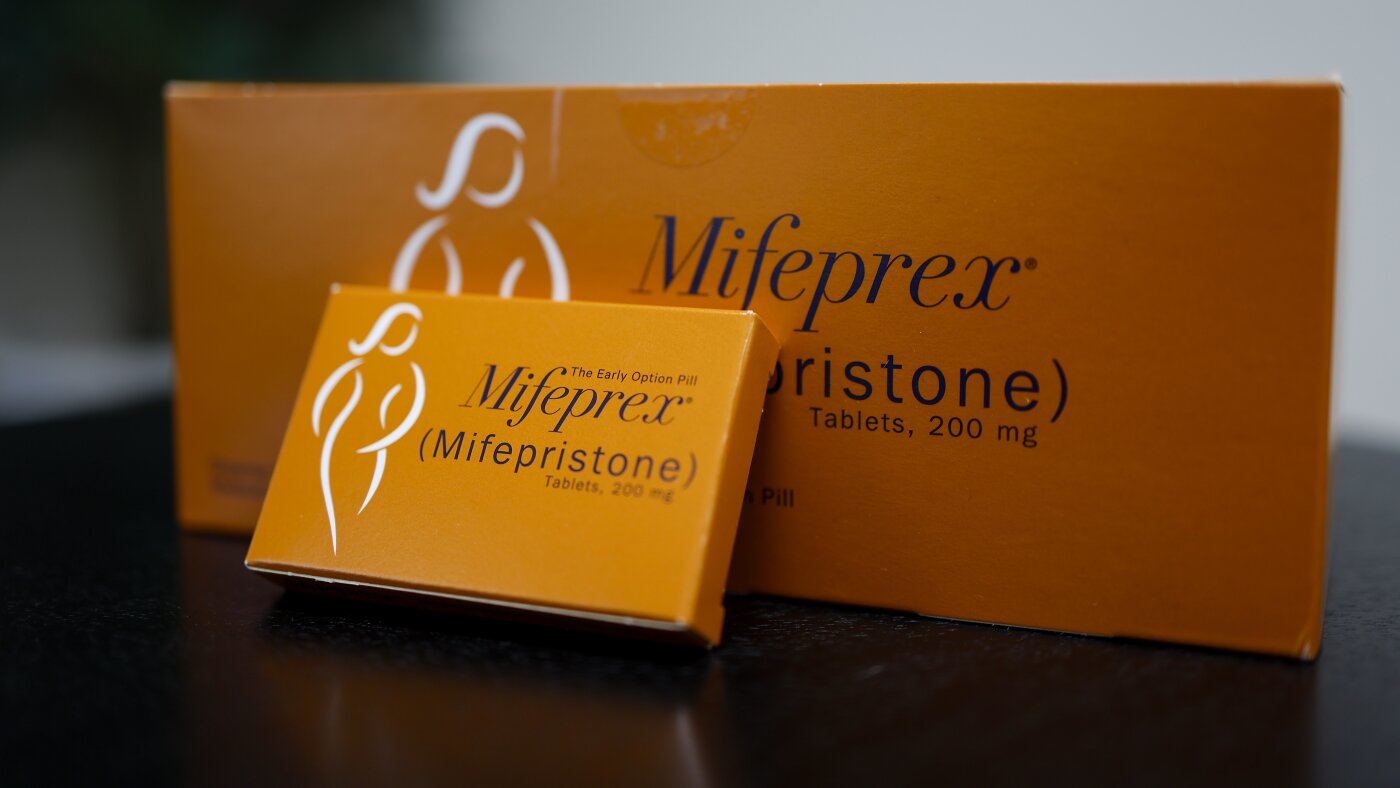
NPRAbortion pill by mail allowed for at least 3 more days, the Supreme Court says
Overview
Justice Samuel Alito extended an emergency order on Monday allowing mifepristone to be prescribed by mail and via telehealth and preventing the appeals-court restrictions from taking effect until at least Thursday.
The move responds to a May 1 U.S. 5th Circuit ruling that reinstated pre-pandemic in-person dispensing requirements after Louisiana sued to roll back FDA rules on mifepristone.
Mainstream medical groups, the pharmaceutical industry and nearly two dozen Democratic-led states filed briefs urging the court not to limit access, and pharmaceutical companies warned a ruling would upend the drug approval process.
Mifepristone was first approved in 2000, medication abortions accounted for nearly two-thirds of U.S. abortions in 2023, and roughly one quarter of abortions occur via telemedicine, according to the sources.
The Supreme Court will decide whether to allow the 5th Circuit restrictions to take effect as the case proceeds, with the Trump administration declining to file a written brief, according to the sources.
Analysis
Center-leaning sources frame the story in favor of preserving telemedicine abortion access by emphasizing FDA science, safety findings, and national impact while foregrounding pro-access voices (researchers, Democratic-led amicus). Editorial choices — causal claims about rising medication abortions and limited presentation of anti-access arguments beyond the legal claim from Louisiana — steer readers toward viewing restrictions as medically unnecessary.