Legal Challenges Mount Over Trump Anti-Weaponization Fund
Challenges target a roughly $1.776 billion–$1.8 billion DOJ fund created after Trump dropped a $10 billion IRS lawsuit, with lawsuits and congressional demands underway.

 MEDIAite
Trump Acting AG Todd Blanche Bizarrely Claims, ‘People That Hurt Police Get Money All the Time’
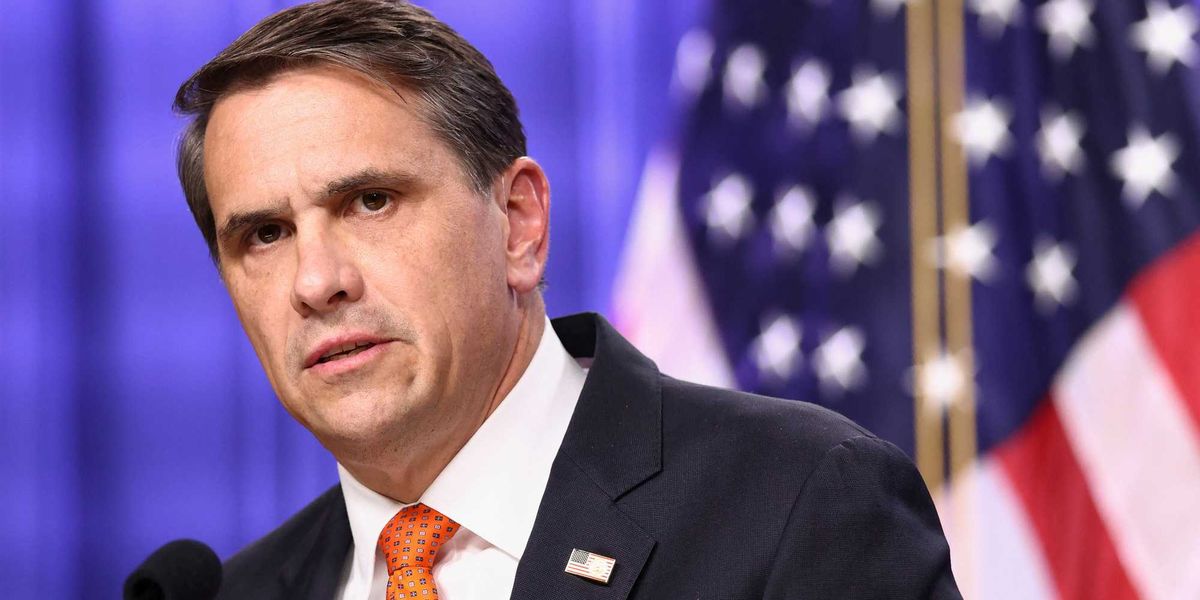
 Raw Story
'Wow': Todd Blanche leaves onlookers flabbergasted with CNN interview answer
 Raw Story
Senate GOP hatches plan to undercut Trump's massive 'anti-weaponization' fund

 Al Jazeera
US police officers sue Trump over $1.8bn ‘anti-weaponisation’ fund
Overview
Two police officers sued on Wednesday in federal court in Washington to block the roughly $1.776 billion to $1.8 billion fund from making payouts.
The Justice Department created the fund as part of a settlement after President Trump dropped a $10 billion lawsuit against the IRS, and an addendum barred IRS audits of Trump and his family.
Sen. Dick Durbin demanded documents by May 28 about eligibility and ethics tied to the fund, the senator wrote.
The fund would be overseen by a five-member commission appointed by the attorney general, with one member chosen in consultation with congressional leadership and removable by the president.
Legal experts said Congress could challenge the fund under the Appropriations Clause and that suits under the Administrative Procedure Act or by state attorneys general could delay or block payouts.
Analysis
Center-leaning sources present the story neutrally, attributing inflammatory language to plaintiffs and lawyers while reporting factual details and official statements. sources quote DOJ acting attorney general Todd Blanche describing the fund as providing "a systematic process" and record plaintiffs' charges like "stunningly, blindingly illegal" without adopting them, noting missing eligibility criteria.