Trump Orders Banks to Weigh Customers' Immigration Status
May 19 order directs regulators to issue guidance on red flags tied to ITINs, payroll tax evasion and money laundering; stops short of mandatory citizenship collection.

 Breitbart News
Trump Restricts Banks' Support for Migrants, Foreign Criminals
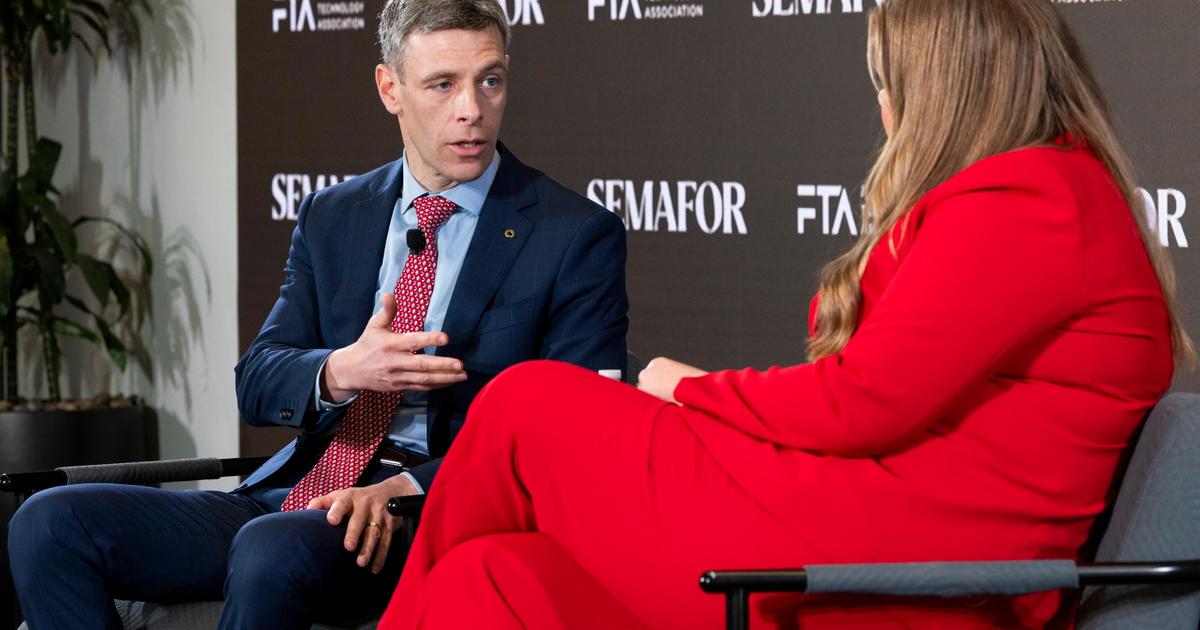
 Semafor
Banks taking a closer look at citizenship is âcommon sense,â US regulator says
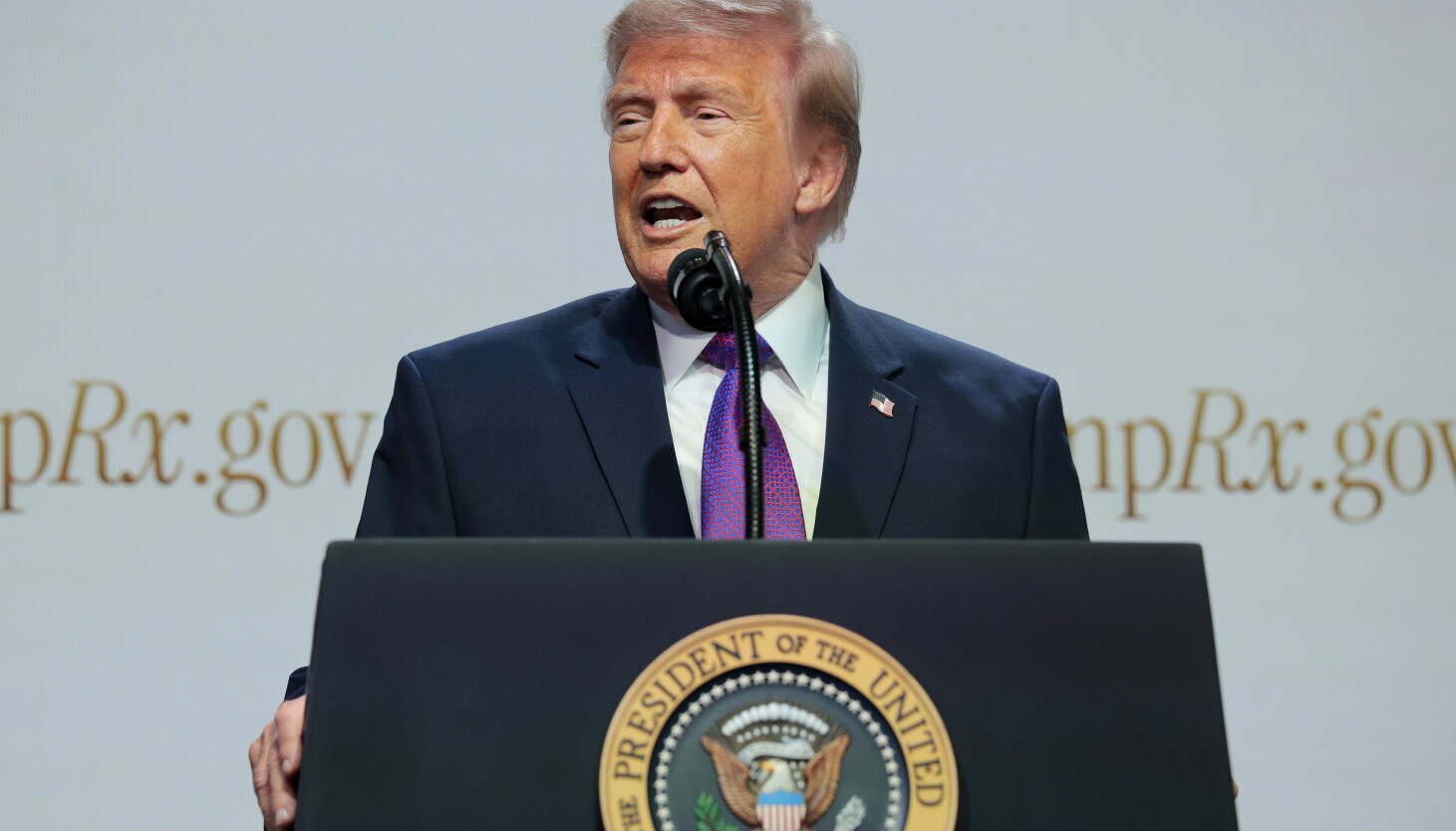
 Chicago Sun-Times
Trump orders banks to take a closer look at clients’ citizenship in new immigration enforcement move
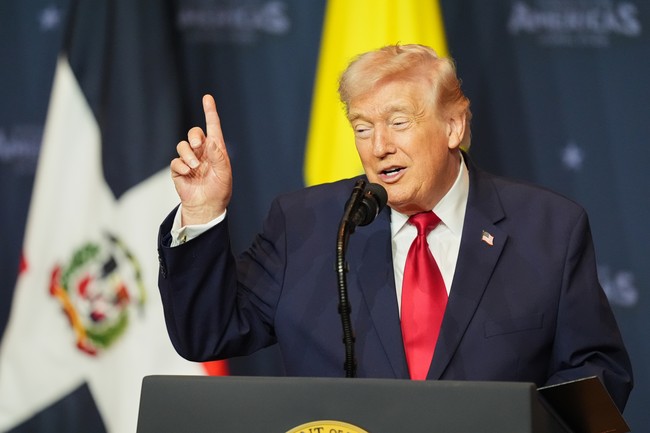
 RedState
Trump Takes a Sledgehammer to Banking Loopholes for Illegal Aliens
Overview
President Donald Trump signed an executive order on May 19 directing Treasury and federal banking regulators to issue guidance for banks to consider customers' immigration status in risk assessments, the White House said.
The order frames lending to undocumented immigrants as a credit risk because deportation or loss of wages could prevent borrowers from repaying mortgages, auto loans and credit cards, the White House said.
The order directs Treasury Secretary Scott Bessent to identify red flags tied to payroll tax evasion, concealed account ownership, off-the-books wage payments, and the use of Individual Taxpayer Identification Numbers.
The White House cited analyses that Chinese-linked money-laundering networks moved more than $312 billion through U.S. accounts and an Urban Institute study that estimated roughly 5,000 to 6,000 mortgages were issued to customers using ITINs.
The final order stops short of requiring banks to collect citizenship documents after heavy banking-industry lobbying, instead directing agencies to issue guidance and consider Bank Secrecy Act changes and proposed rulemaking within 90 days.
Analysis
Center-leaning sources portray the order as a contested, potentially harmful enforcement move, emphasizing immigrant risk and industry pushback. Editorial choices—use of phrases like "clamp down," labeling the Urban Institute "left-leaning," highlighting advocates' concerns and banks' lobbying—frame the White House rationale as risk-focused while underscoring likely chilling effects on immigrants.