Tennessee Halts Execution After Failed IV Attempt
Gov. Bill Lee granted a one-year reprieve after staff could not place a required backup IV during Tony Carruthers' scheduled lethal injection on May 21.
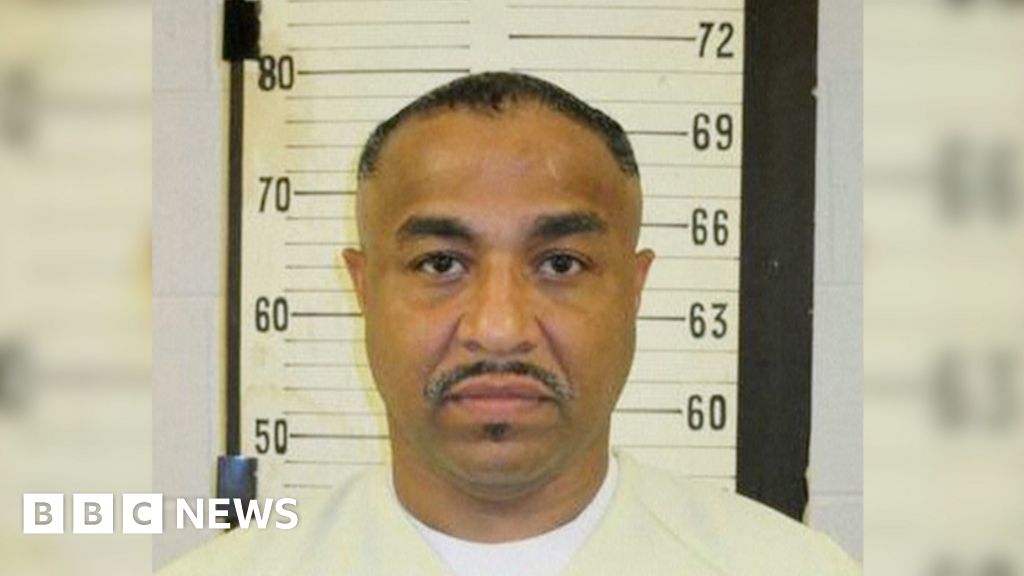
 BBC News
Tennessee execution called off after failed lethal injection
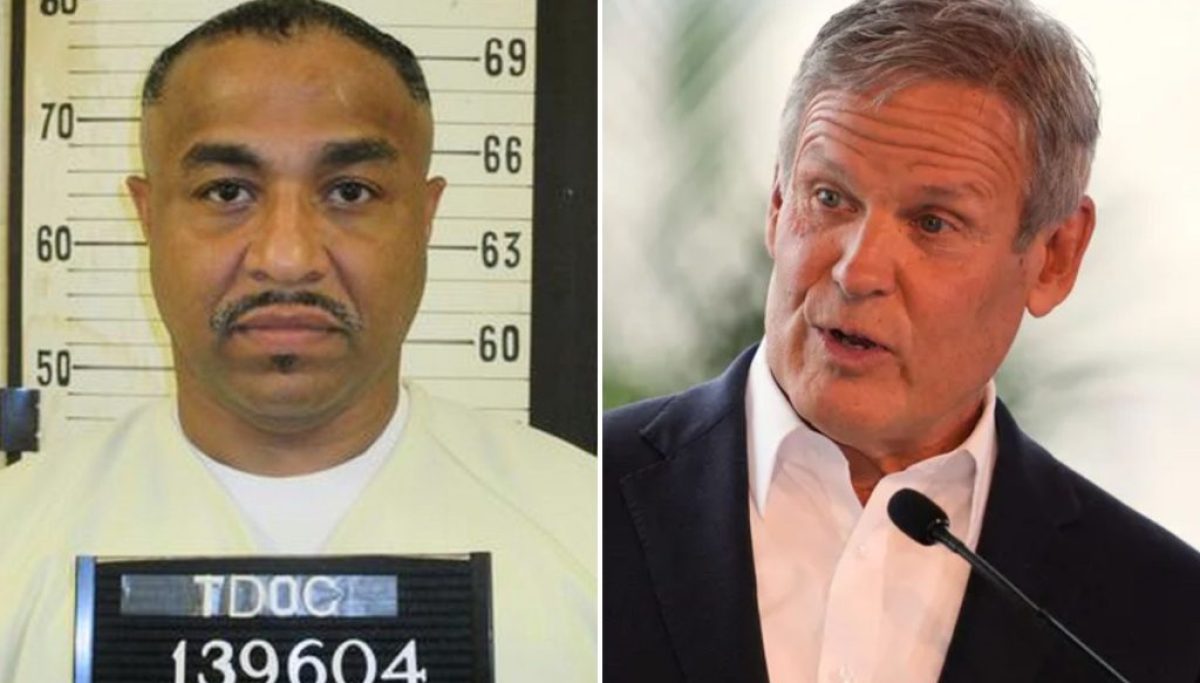
 Washington Examiner
'Botched' lethal injection earns Tennessee death row inmate reprieve

 Washington Times
Tennessee halts execution after officials can’t find inmate’s vein
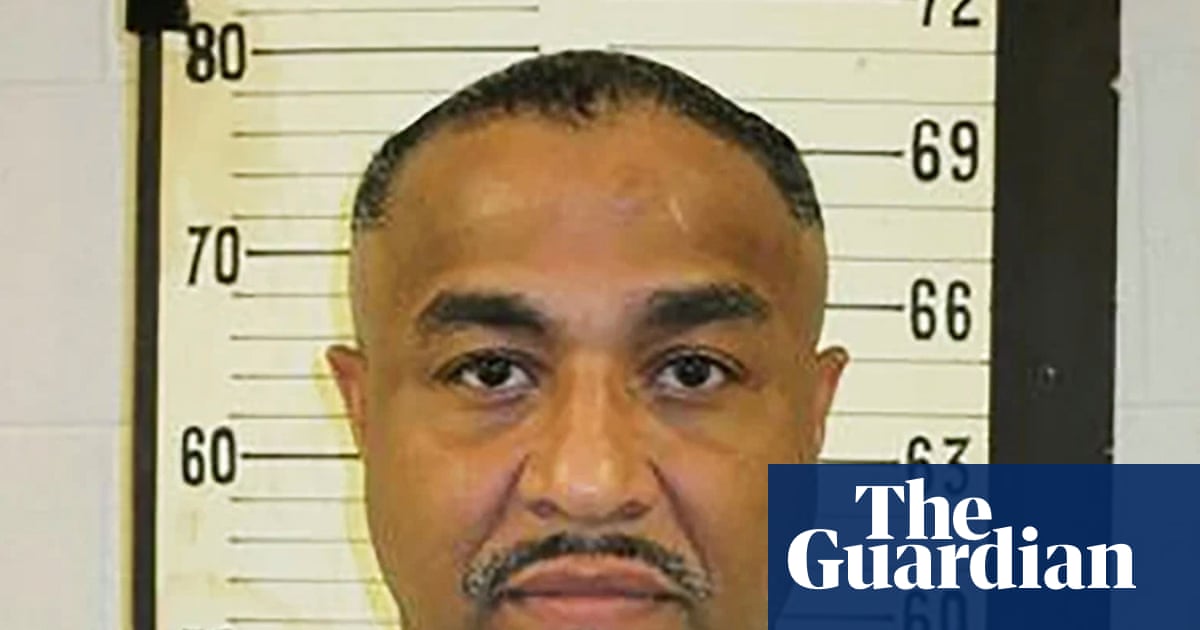
 The Guardian
Tennessee governor orders stay of execution after doctor can’t find vein
Overview
On May 21, Governor Bill Lee granted Tony Carruthers a one-year reprieve after execution staff failed to find a required backup intravenous line during his scheduled lethal injection.
The Tennessee Department of Correction said medical personnel established a primary IV line but could not find another suitable vein and an attempt to insert a central line was unsuccessful, so the execution was called off.
The ACLU and Carruthers' lawyers called the repeated attempts 'torture' and 'barbaric,' and advocates delivered petitions totaling roughly 100,000 to 130,000 signatures demanding DNA testing, his attorneys said.
Carruthers, 57, was accused of the 1994 kidnappings and murders of Marcellos Anderson, Delois Anderson and Frederick Tucker, and Tennessee resumed executions in 2025 after a roughly three-year pause over drug testing concerns.
Lee's one-year reprieve leaves Carruthers' lawyers seeking DNA and fingerprint testing and pursuing appeals, and attorneys said it was unclear when or whether the execution would be rescheduled.
Analysis
Center-leaning sources frame the story as raising serious doubts about fairness and state competence by emphasizing lack of physical evidence, claims of paid informant testimony, Carruthers' forced self-representation, and failed drug testing. Editorial choices (wording like "no physical evidence," highlighting expert rebuttals, and procedural errors) foreground systemic failure over prosecution claims.