Trump EPA Rolls Back HFC Rules, Citing Grocery Cost Savings
EPA delays and exempts parts of Biden-era HFC rules, with the administration citing roughly $2–$2.4 billion in annual savings and critics warning of higher emissions and market uncertainty.

 Raw Story
They’re called ‘super pollutants’ — and Trump’s EPA wants to expose you to more of them

 MS NOW
Trump eases refrigerant rules, saying move will help lower grocery prices
 World News Group
Trump eases Biden-era refrigeration regs
 Daily Signal
'BIG SAVING': Trump Says Slashing This Regulation Will Lower Grocery Prices - The Daily Signal
Overview
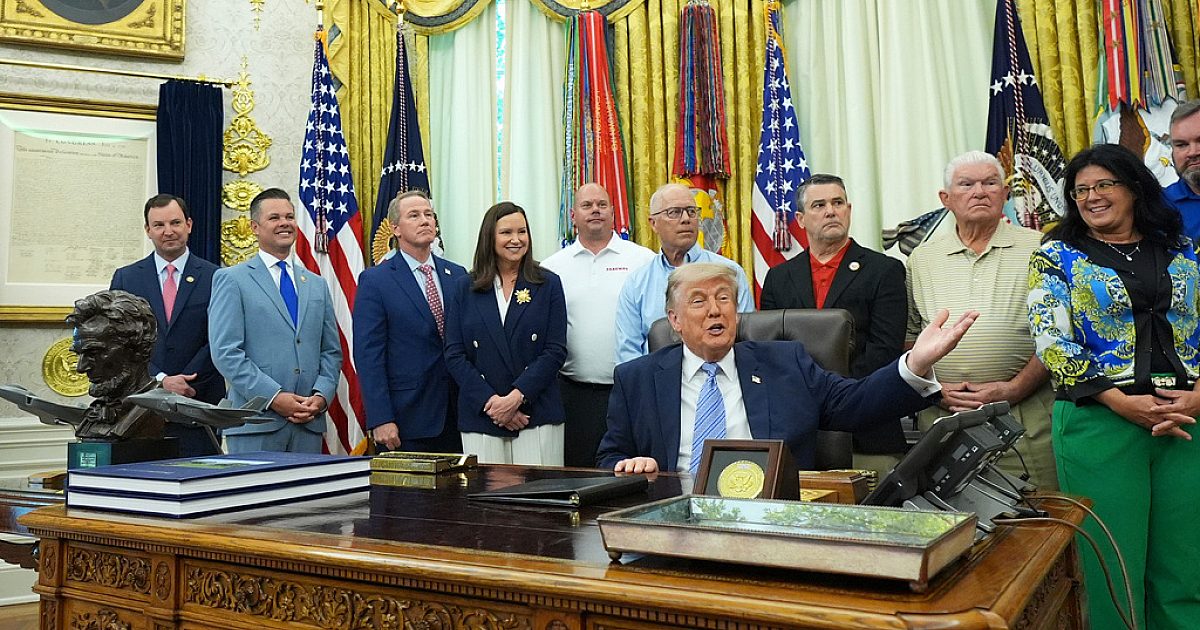
President Donald Trump announced Thursday that his Environmental Protection Agency revised Biden-era rules to delay and loosen limits on hydrofluorocarbon refrigerants used in refrigerators and air conditioners.
The administration said the changes, which extend compliance deadlines and propose exemptions, would save roughly $2 to $2.4 billion a year and help lower grocery prices, administration officials said.
The Air-Conditioning, Heating and Refrigeration Institute said the revisions would inject market uncertainty and could raise prices, while environmental and health advocates warned the rollbacks would increase emissions of "super pollutant" HFCs.
The EPA extended deadlines under the 2023 Technology Transitions Rule and proposed exemptions to parts of a 2024 Emissions Reduction and Reclamation Rule, while the AIM Act of 2020 directs an 85% HFC phase-down by 2036 and more than 170 countries plus the EU have ratified Kigali.
It is unclear whether grocers will pass savings to shoppers, and the EPA said it is proposing the rule changes as Trump said he wants to get rid of the technology transition rule entirely in the future.
Analysis
Center-leaning sources frame the policy skeptically, emphasizing uncertainty about whether consumers will see lower grocery prices and suggesting political motives. Editorial choices—language such as 'appears aimed squarely' and 'it was unclear,' placement of administration claims followed by context on inflation drivers, and inclusion of industry warnings—downplay the White House's claim.