Teen Sentenced 35 Years After Frisco Track Meet Stabbing
A jury convicted Karmelo Anthony of first-degree murder for the April 2025 stabbing; sentencing sparked courtroom clashes and high-profile commentary over race and weapon size.

 The Gateway Pundit
Convicted Murderer Karmelo Anthony’s Fundraiser Receives Fresh Round of Donations After 35-Year Murder Sentence * The Gateway Pundit * by Cassandra MacDonald
 Breitbart News
Legal Activist Claims, Without Evidence, Karmelo Anthony Prosecutor 'Lied Throughout this Trial... Put on Liars as Witnesses'
 RedState
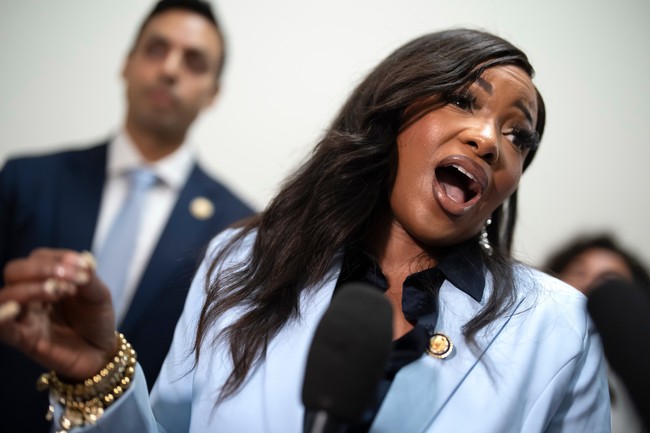
Indefensible: Jasmine Crockett Goes Off the Rails in Jaw-Dropping Defense of Karmelo Anthony
 The Gateway Pundit
"Broken System" - Crockett Defends Convicted Murderer Karmelo Anthony... Because He 'Only' Stabbed Austin Metcalf 'One Time' (VIDEO) * The Gateway Pundit * by Cristina Laila
Overview
A Collin County jury found Karmelo Anthony guilty of first-degree murder and he was sentenced to 35 years in prison on Tuesday for the April 2025 killing of 17-year-old Austin Metcalf.
Jurors rejected manslaughter and self-defense claims and declined to apply a 'sudden passion' reduction that would have lowered Anthony's sentence.
Rep. Jasmine Crockett said on her podcast the folding knife 'wasn't a deadly weapon' due to its size and said Black women raising sons live in daily fear, according to her remarks.
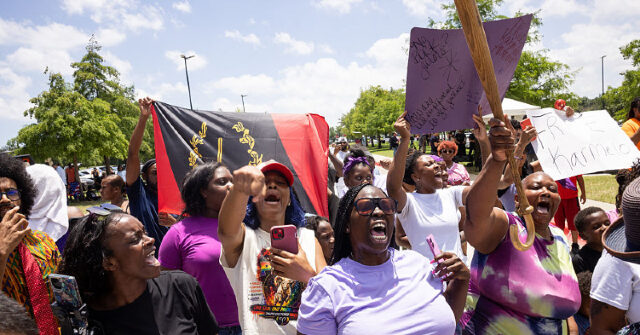
Supporters and opponents of Anthony and the Metcalf family clashed outside the Collin County courthouse, police appeared to arrest at least one person, and the parking lot was closed by court order and patrolled by law enforcement.
Witnesses testified Anthony said 'Touch me, see what happens' before the stabbing, and authorities recovered a folding knife described as roughly 3.5 to 5 inches, evidence prosecutors cited that portrayed Anthony as the aggressor.
Analysis
Center-leaning sources frame the trial as a community flashpoint focused on motive, race and public outrage by emphasizing racial identifiers, affluent community shock, graphic footage and fundraising. Coverage foregrounds prosecution claims and highlighted source statements (the alleged admission, the victim's mother's plea) while presenting defense arguments as rebuttals.