Iran Talks Turmoil
Trump’s threats complicate Vance-led negotiations with Iran over a fragile deal.



118
Articles
52
Sources
0%
Analysis & opinion
The reporting
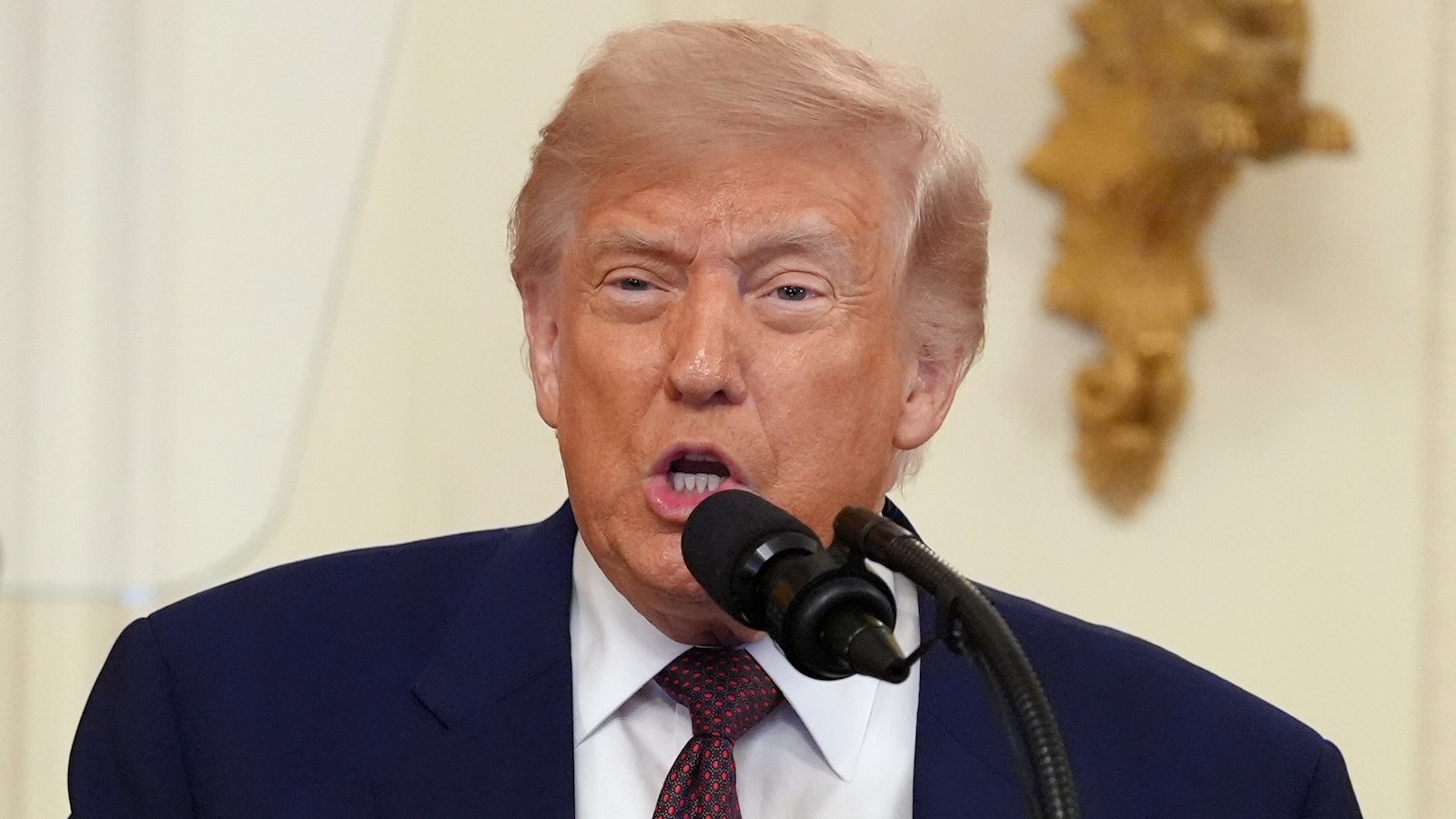
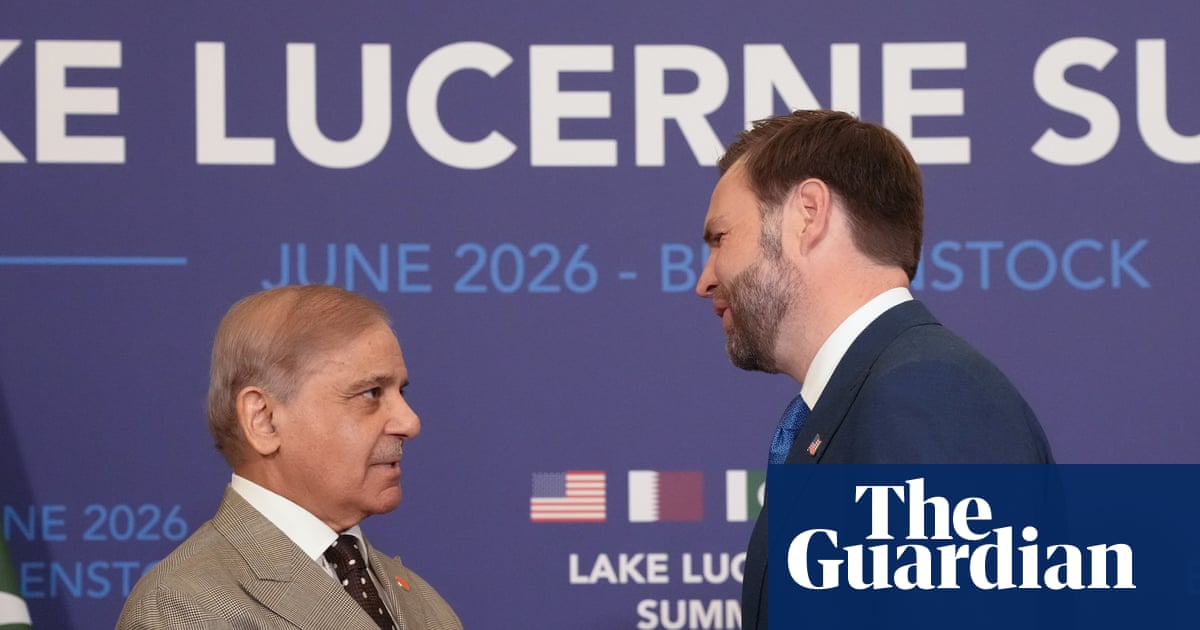
BalancedVice President JD Vance led U.S. negotiators in Switzerland for the first direct talks with Iran under a 60-day memorandum of understanding aimed at ending the roughly four-month war and resolving Tehran’s nuclear program. The U.S. delegation, including Steve Witkoff and Jared Kushner, met Iranian officials with Pakistan and Qatar mediating, while Vance said Washington wants to “turn over a new leaf” and could “fundamentally transform” relations if Iran abandons nuclear ambitions and regional destabilization. President Donald Trump repeatedly undercut the diplomacy from afar, threatening fresh strikes, warning Iran over Hezbollah and the Strait of Hormuz, and reportedly using profane language that prompted Iranian protests and at least a temporary walkout. Despite the turbulence, U.S. officials said negotiations continued into the night as both sides tried to keep the fragile interim deal from collapsing.


Analysis & opinion
Lebanon FightingBalanced
Renewed Israeli strikes on Hezbollah targets in southern Lebanon killed civilians, delayed the opening of U.S.-Iran talks and threatened a ceasefire that was supposed to support the wider Iran agreement. Israel and Hezbollah later agreed to halt fighting after U.S. pressure, but the violence left Lebanese residents returning to damaged communities with uncertainty over whether the regional truce would hold.


Deal BacklashLeans Left
Analysts and commentators portrayed the U.S.-Iran memorandum as a fragile stalemate or a costly concession that gives Tehran breathing room while leaving core nuclear and regional questions unresolved. The deal also widened political strains in Washington and Israel, with critics arguing Trump cannot sell the framework and that Benjamin Netanyahu faces serious fallout from an agreement many Israelis view as a strategic setback.


Hormuz ShockBalanced
Iran said it had closed the Strait of Hormuz in response to Israeli attacks in Lebanon and alleged U.S. breaches of the ceasefire, while U.S. Central Command insisted traffic continued and American forces were monitoring the waterway. The dispute rattled markets, lifting oil prices and weighing on stock futures, as Trump warned there would be no tolls and threatened severe consequences if Tehran tried to shut the vital energy corridor.


Get tomorrow's edition
Every side, every morning — free in your inbox.