Iran Inspection Claims Disputed
US eases oil sanctions as Iran and Washington clash over inspection terms.



15
Articles
14
Sources
0%
Analysis & opinion
The reporting
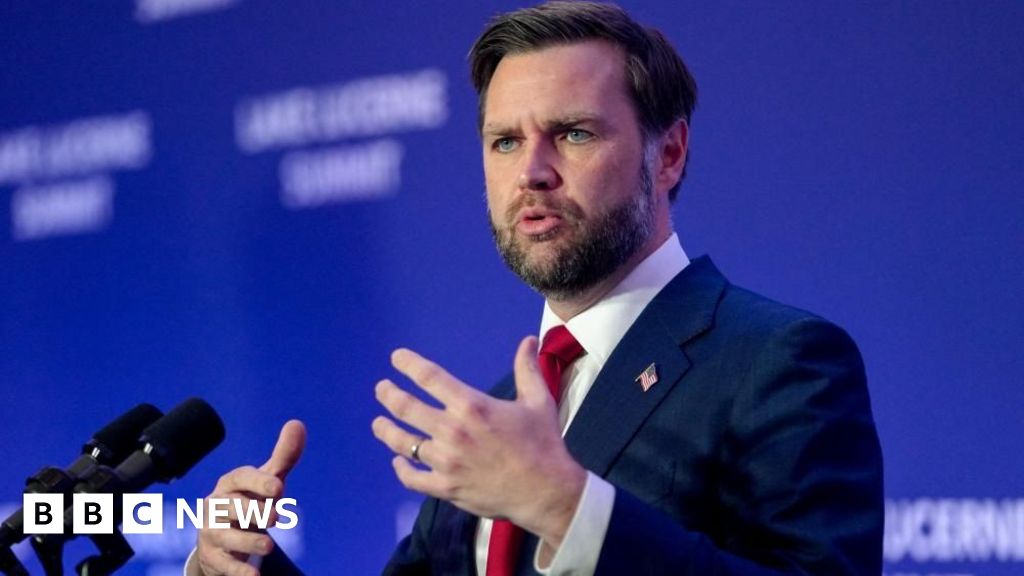
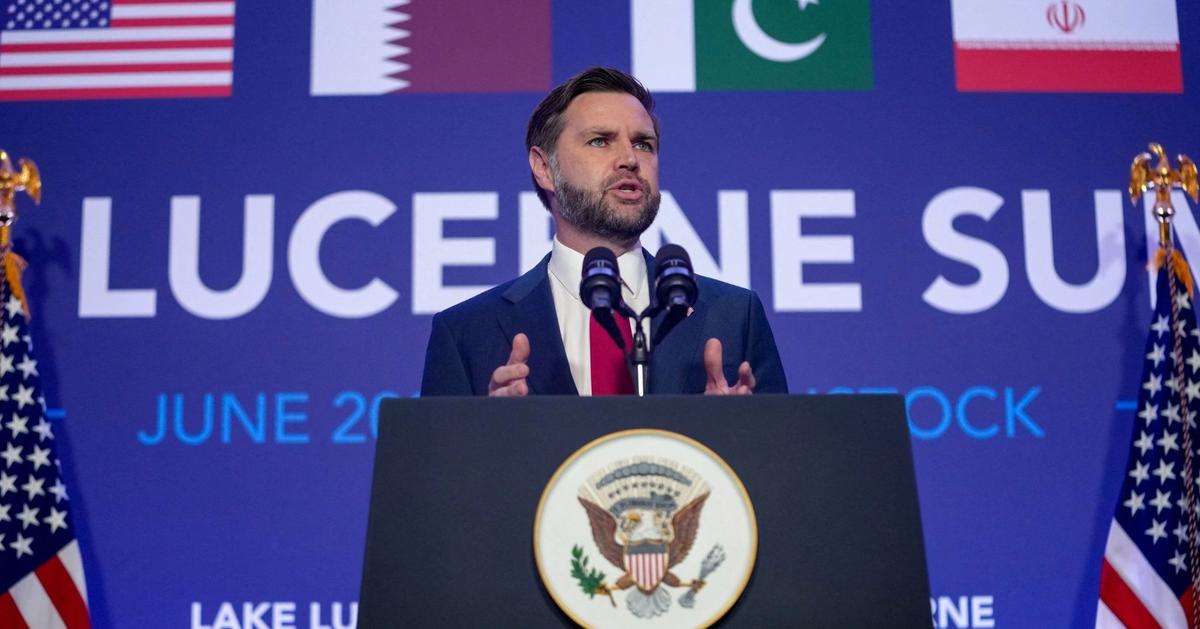
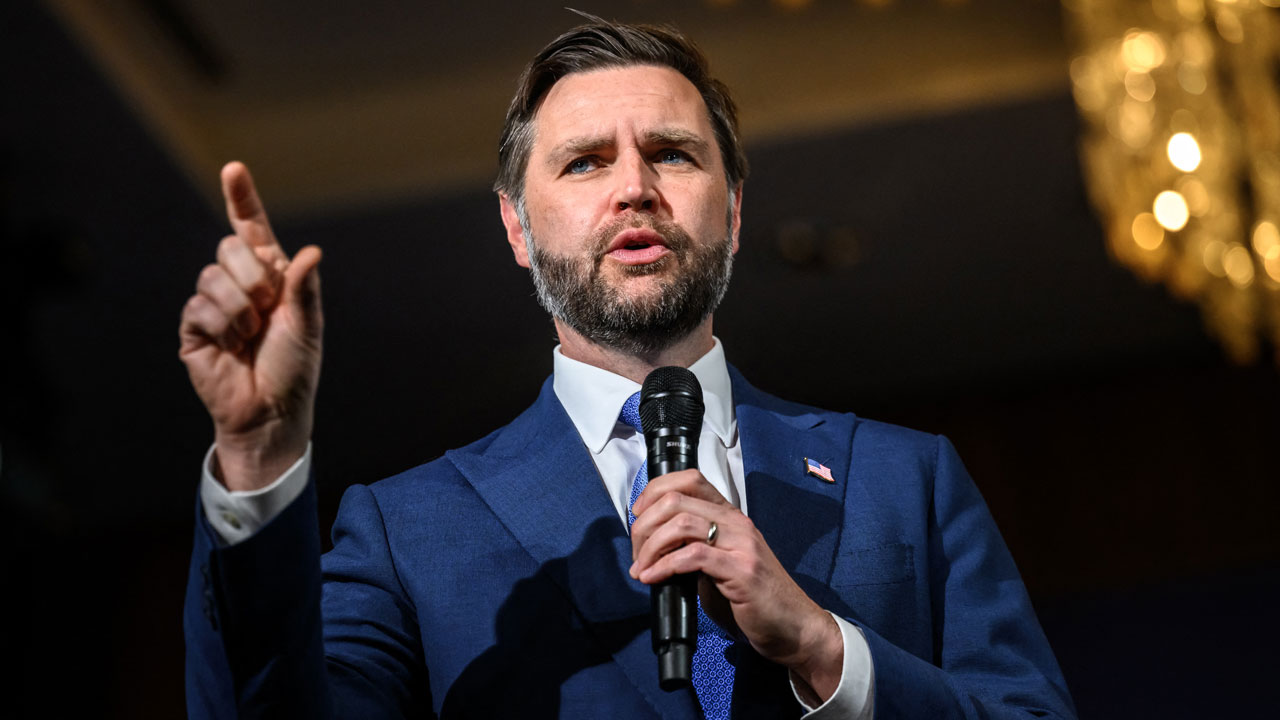
BalancedVice President JD Vance said U.S.-Iran talks in Switzerland produced a “successful foundation” for a broader peace deal, including what he described as Iran’s agreement to allow international nuclear inspectors back into the country. U.S. officials framed the first round, mediated with help from Qatar and Pakistan, as progress toward reopening the Strait of Hormuz, managing regional tensions and restoring monitoring of Iran’s nuclear program. The Trump administration also moved to temporarily ease sanctions on Iranian oil, while President Donald Trump warned that strikes could resume if Tehran failed to restrain regional allies. The emerging framework drew scrutiny from Congress and nuclear experts, who cautioned that any deal would require stronger access for inspectors than past arrangements provided.


Analysis & opinion
Tehran Disputes ClaimsBalanced
Iran pushed back on Vance’s account of the Switzerland talks, saying it made “no new commitments” despite U.S. claims that Tehran agreed to restore U.N. nuclear inspections. Trump and Vance continued to tout inspection pledges and sanctions relief, exposing a sharp public split over what negotiators actually secured.


Get tomorrow's edition
Every side, every morning — free in your inbox.