Trump Election Claims
China rejects Trump's voter data allegation as he touts election vulnerabilities.





60
Articles
42
Sources
Coverage mix
The reporting
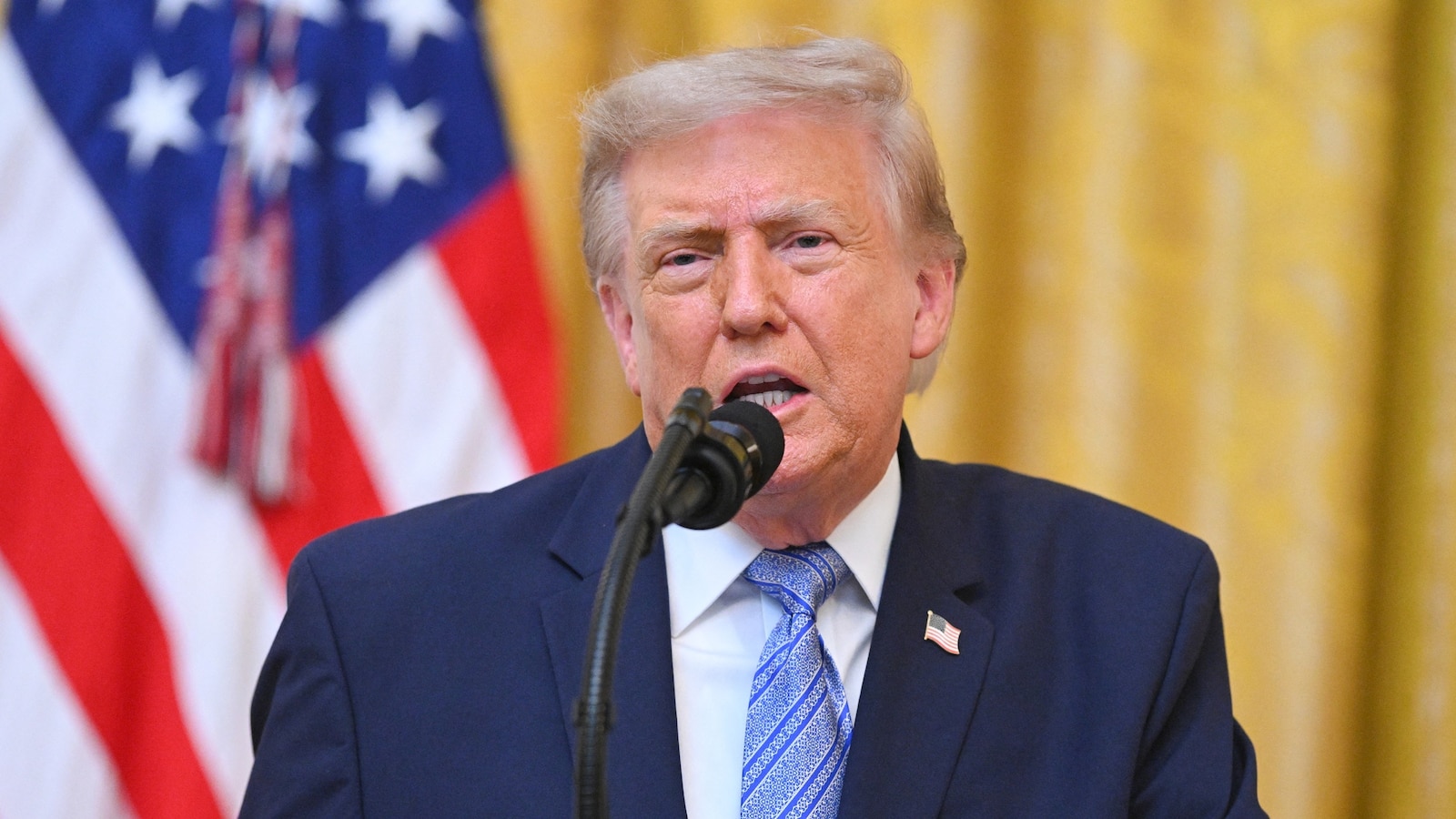
President Donald Trump used a Thursday primetime address to release declassified election-security documents and claim China obtained voter-registration data on 220 million Americans beginning in 2020. He also pressed Congress to pass the SAVE America Act, a voting bill stalled in the Senate, and directed the Justice Department to prosecute people he said were involved. The released files described known election-system vulnerabilities but said manipulation would be difficult and audits and paper trails would likely reveal it. China’s Foreign Ministry denied the allegation as fabricated, while officials said a planned Xi Jinping state visit remained on track.
Analysis & opinion
Political BackfireLeft & Center
The speech was politically damaging for Trump because it made him look weak, obsessive, and stuck on 2020. It embarrassed Republicans, drew network snubs, failed to build momentum, and risked hurting GOP prospects before the midterms.


Baseless RehashLeans Left
Trump’s address recycled debunked or unsupported claims about election fraud, voting machines, and the 2020 result. The documents, fact-checks, and expert assessments did not prove the sweeping conspiracy he suggested.


Midterm SubversionMostly Center
By reviving false election-fraud claims, Trump is trying to undermine confidence in future elections rather than protect them. He is laying the groundwork to challenge, control, or interfere with the midterms if the results go against him.


China EvidenceLeans Right
Declassified records reveal serious Chinese and other foreign efforts to influence U.S. elections, including data theft and possible help for Biden in 2020. Officials and major media outlets downplayed, hid, or prematurely dismissed evidence that deserves serious scrutiny.


Media SuppressionLeans Right
Major outlets and networks mishandled Trump’s election-integrity speech by refusing to air it fully or by rushing to dismiss its substance. Their response showed bias, censorship, or a willingness to ignore evidence that complicated the preferred narrative.

Get tomorrow's edition
Every side, every morning — free in your inbox.