Wangchuk Ends Strike
Wangchuk ends a 26-day protest as India faces unrest over exam leaks.




Summary
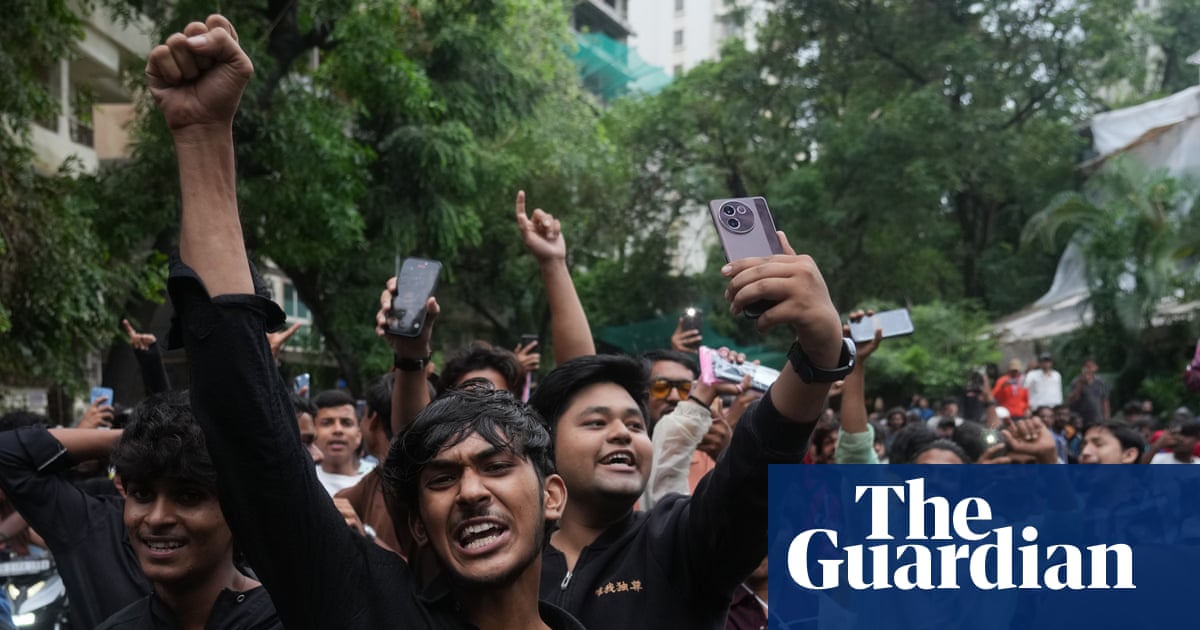
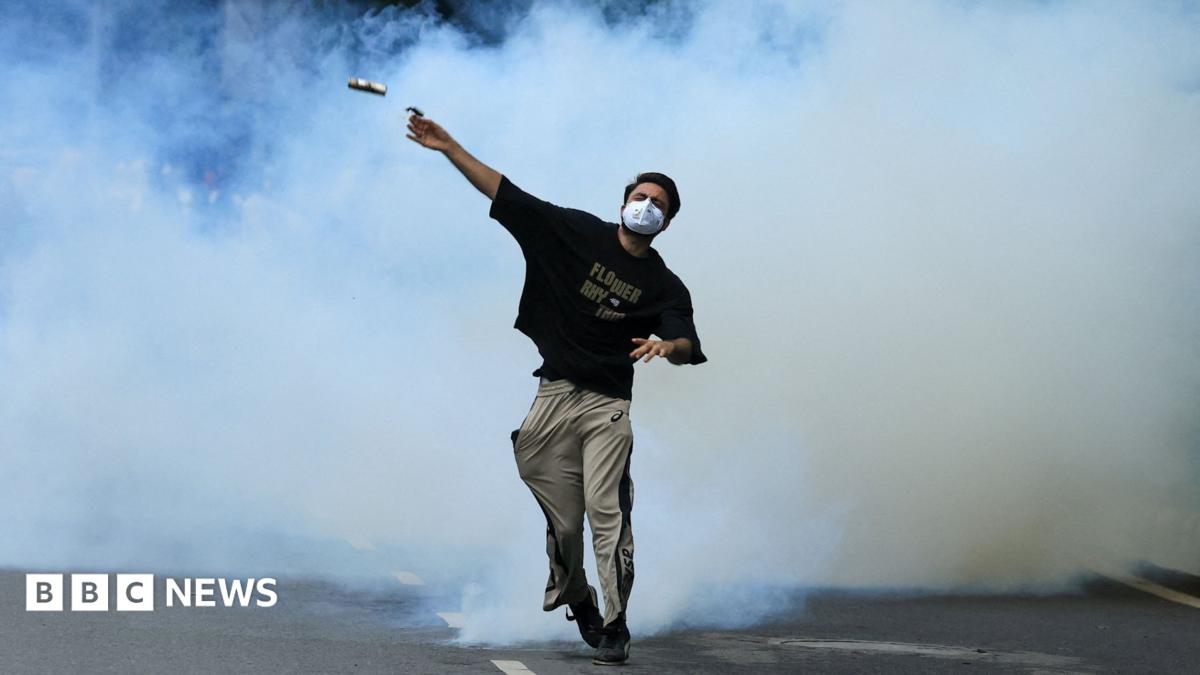
Indian activist Sonam Wangchuk ended his 26-day hunger strike in New Delhi after negotiations with the government, saying he acted to avert possible violence while pressing for Education Minister Dharmendra Pradhan’s resignation over exam paper leaks. The fast had become a focal point for the youth-led “Cockroach” movement, whose protesters said they would continue sit-ins in the capital. Thousands remained camped in New Delhi despite police restrictions and earlier tear gas and baton charges. Prime Minister Narendra Modi promised fast-track courts to punish officials accused of leaking exam papers.
The Coverage
Exam Reform Protests
India’s youth protests grew out of anger over exam failures, paper leaks, and distrust in the education system. What began as a student-driven campaign has become a serious political problem for Modi, with demands for reform, accountability, and the education minister’s resignation.


Get tomorrow's edition
Every side of today's biggest stories, free in your inbox each morning.