Pradhan Resigns After Protests
India's education minister quits after weeks of youth-led protests.




10
Articles
8
Sources
50%
Analysis & opinion
The reporting
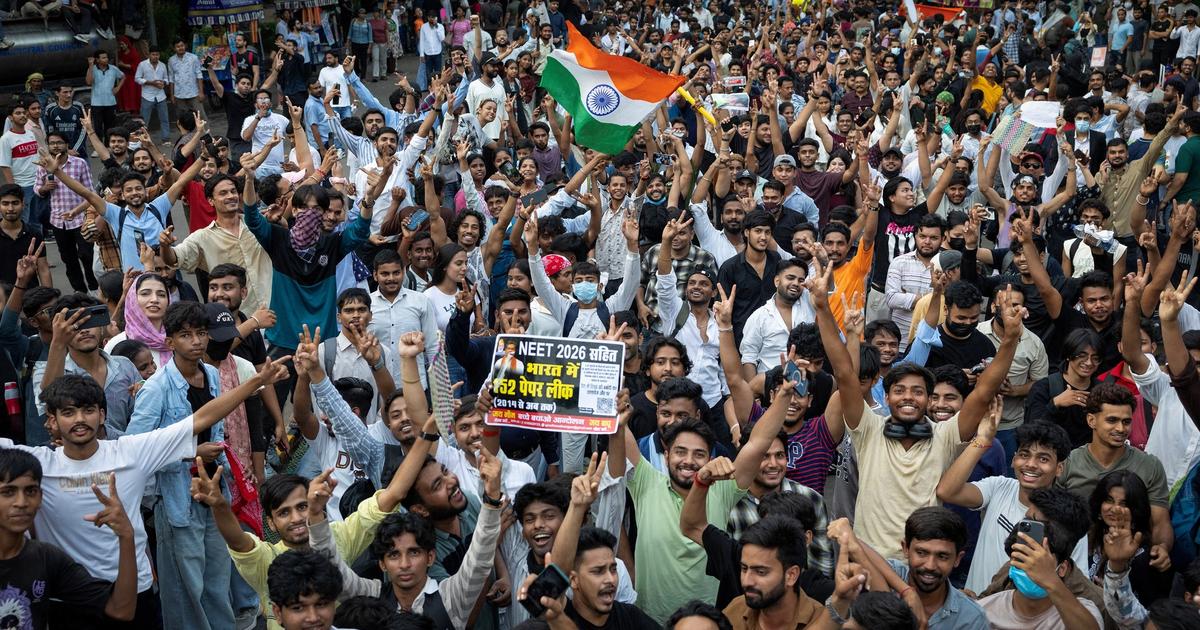
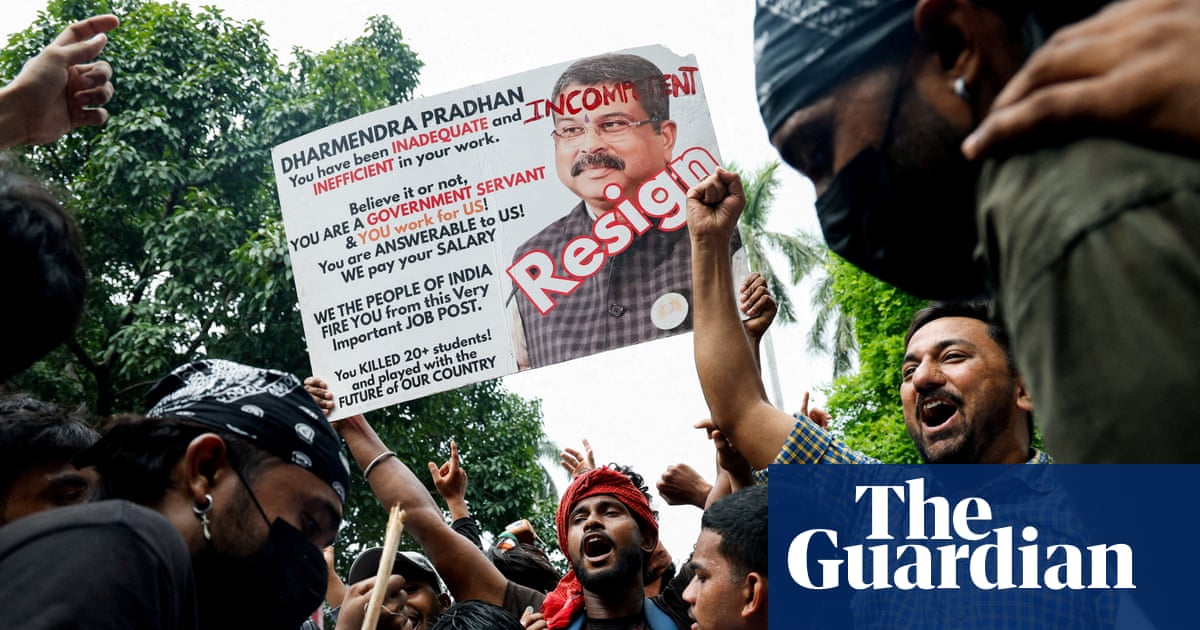
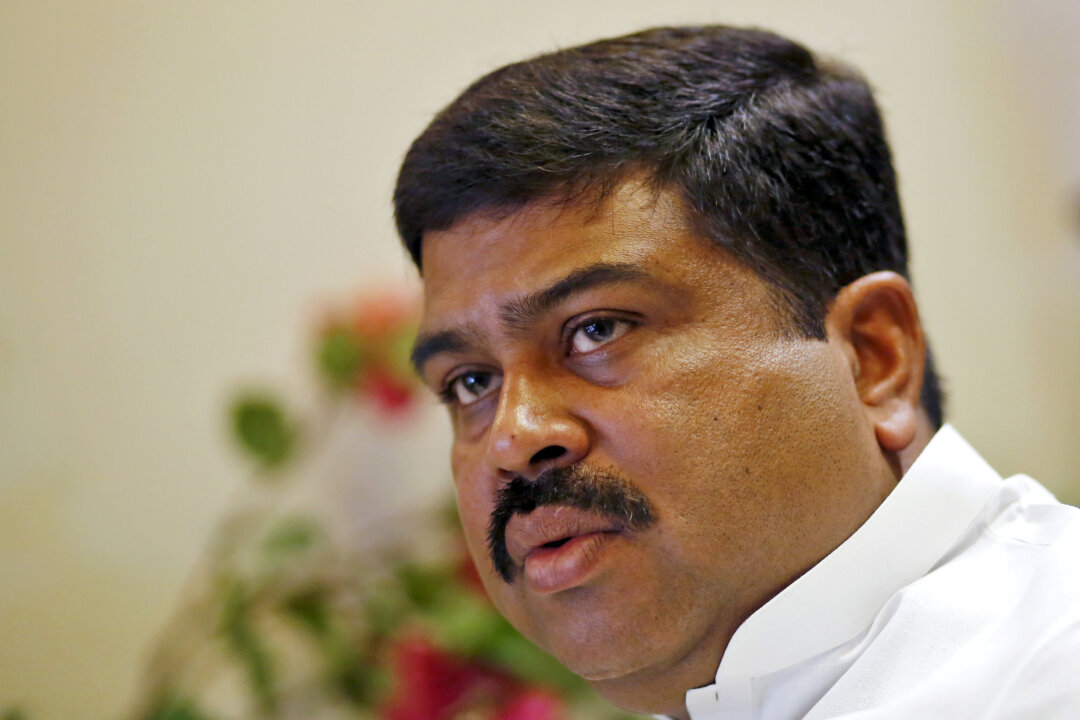
India’s education minister Dharmendra Pradhan resigned on July 25 after weeks of youth-led “Cockroach” protests demanding his removal over alleged NEET-UG leaks and wider exam irregularities. The movement called off demonstrations after the resignation, and protesters said the government had accepted demands to address entrance-exam cheating and education-system failures. The protests had broadened into complaints over youth unemployment and drew thousands toward parliament, where police used tear gas and detentions. Activist Sonam Wangchuk ended a 26-day hunger strike in Delhi as protests spread to Mumbai, Hyderabad and other cities.
Analysis & opinion
Modi challengedLeans Left
India's youth-led Cockroach protests have become a serious political threat to Narendra Modi's government and the broader status quo. Their victories, expanding demands, and visible public energy point to weakening support for Modi and growing vulnerability for his rule.


Get tomorrow's edition
Every side, every morning — free in your inbox.