Trump and Iran War
The U.S. is escalating pressure on Iran while debating strikes, stockpiles and shipping risks.





17
Articles
14
Sources
35%
Analysis & opinion
The reporting
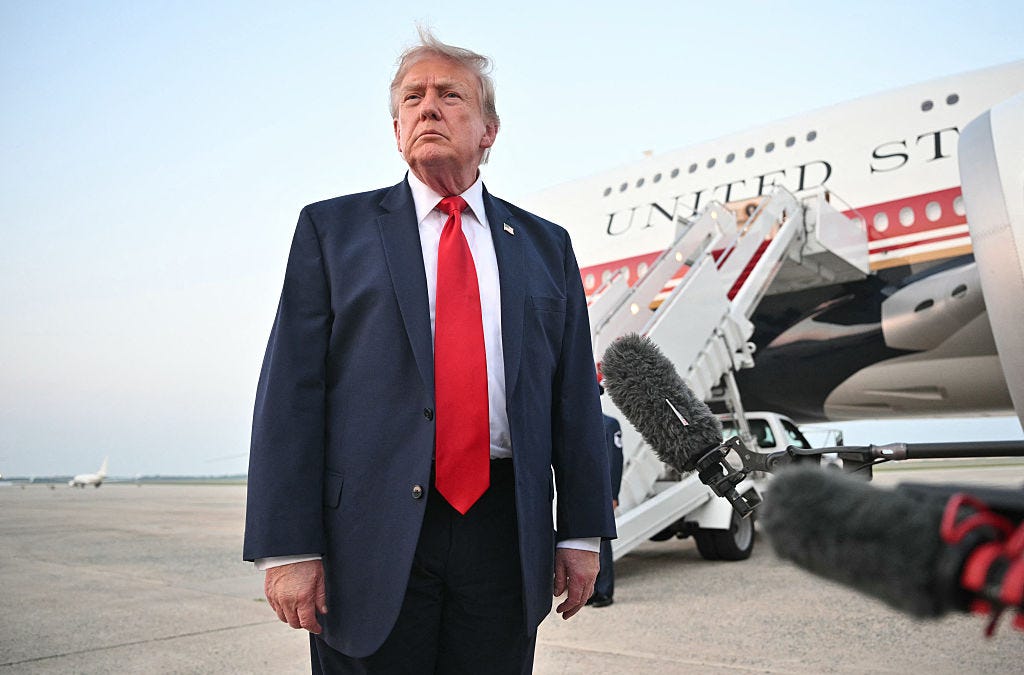
The U.S. military said it fired on another merchant vessel trying to breach its blockade of Iranian ports, while a 13-night U.S. strike campaign against Iran paused after July 23 and Tehran targeted American positions around the Persian Gulf. Trump said on July 23 that any further damage Iran causes to ships or cargo will be paid for with Iranian money under U.S. control, as mediated U.S.-Iran talks resumed. U.N. Ambassador Mike Waltz said Trump is giving diplomacy “some space” before deciding whether to restart strikes and denied reports of depleted U.S. munitions. Oil fell on July 24 but remained headed for weekly gains amid Red Sea disruptions and fears over Hormuz.
Analysis & opinion
Maritime Energy CrisisLeans Left
A widening U.S.-Iran conflict has already become a maritime and trade crisis, threatening routes such as Hormuz and rattling energy markets. Military escalation cannot easily solve the shipping problem, so shrinking reserves and broader economic fallout leave policymakers with little time.


Get tomorrow's edition
Every side, every morning — free in your inbox.