Trump Saudi Nuclear Deal
Trump's push for a U.S.-Saudi nuclear pact sparks fears of proliferation and conflict.





10
Articles
9
Sources
70%
Analysis & opinion
The reporting
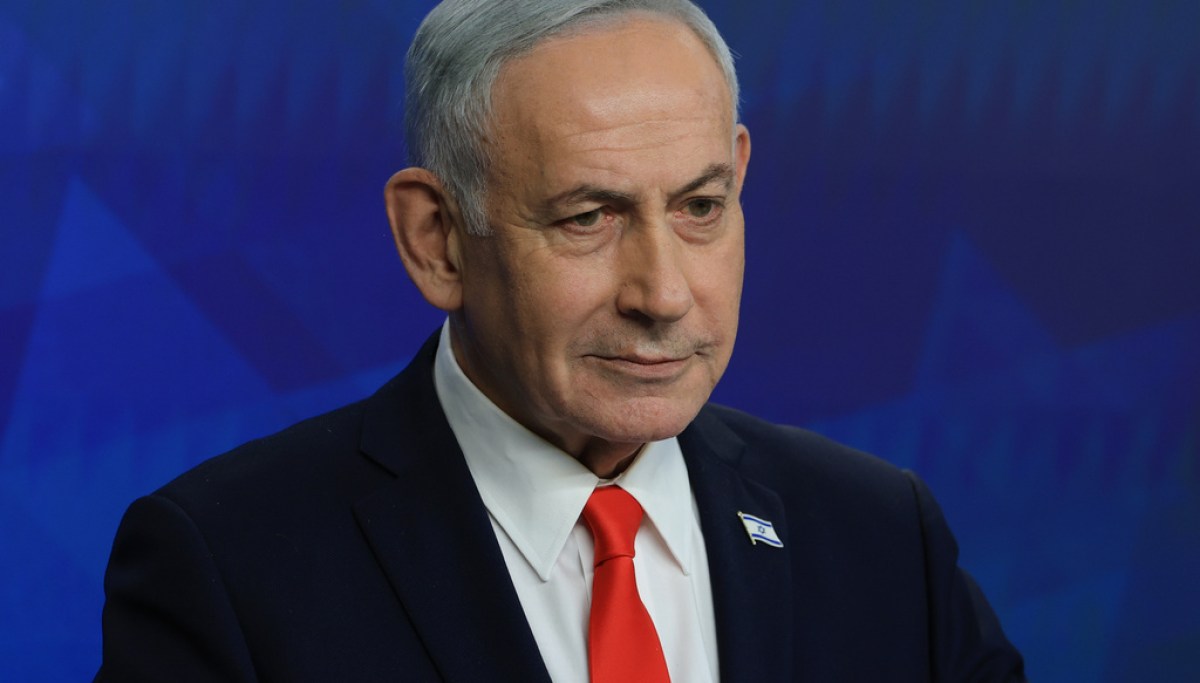
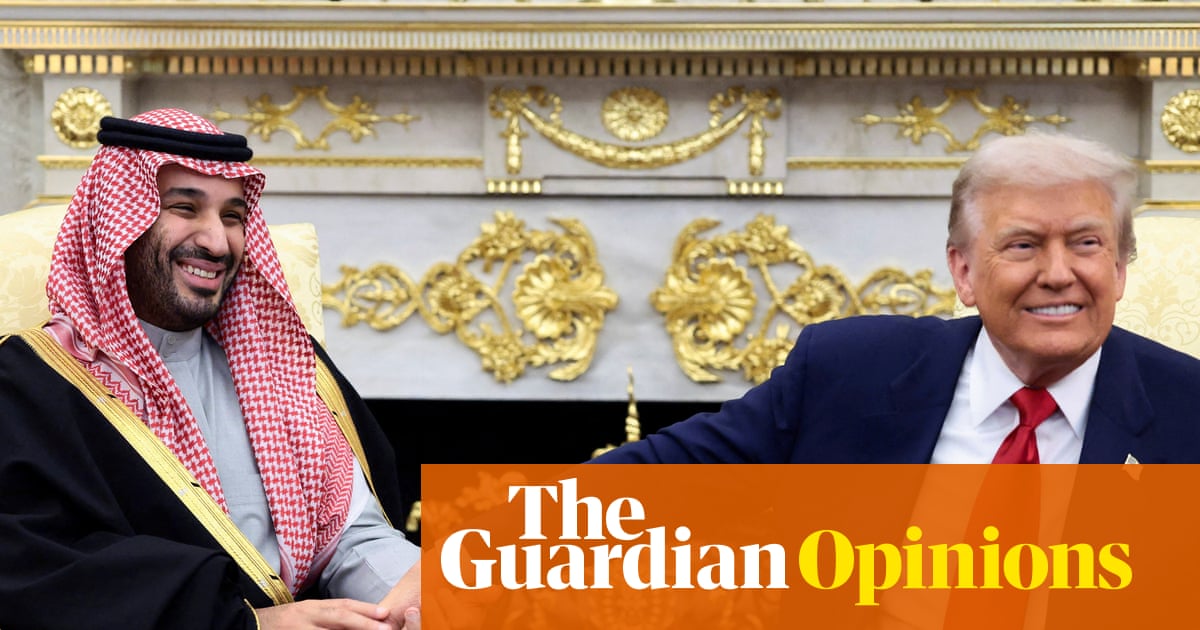
President Donald Trump said a newly signed U.S.-Saudi nuclear energy agreement will not proceed unless Riyadh normalizes relations with Israel, making the nuclear pact contingent on a goal long pursued by Washington and Jerusalem. U.S. officials say the deal could eventually allow uranium enrichment on Saudi soil, a capability critics warn could weaken proliferation safeguards in the Middle East. Democrats criticized the agreement as a proliferation risk, while Republicans argued it could deepen a regional partnership; Israeli Prime Minister Benjamin Netanyahu said Saudi Arabia should not acquire a nuclear bomb.
Analysis & opinion
Proliferation riskLeans Left
The U.S.-Saudi nuclear deal could weaken safeguards by giving Riyadh a path toward uranium enrichment. That would raise nuclear proliferation risks across the Middle East and could encourage other countries to pursue nuclear programs.


Get tomorrow's edition
Every side, every morning — free in your inbox.