Australian Bogong Moths Navigate Long Distances Using Stars
Bogong moths are the first invertebrates known to use the stars for navigation, traveling up to 1,000 kilometers during migration.

 IFL Science
Australian Moth Is First-Known Invertebrate To Navigate By Stars On Epic 1,000-Kilometer Migration
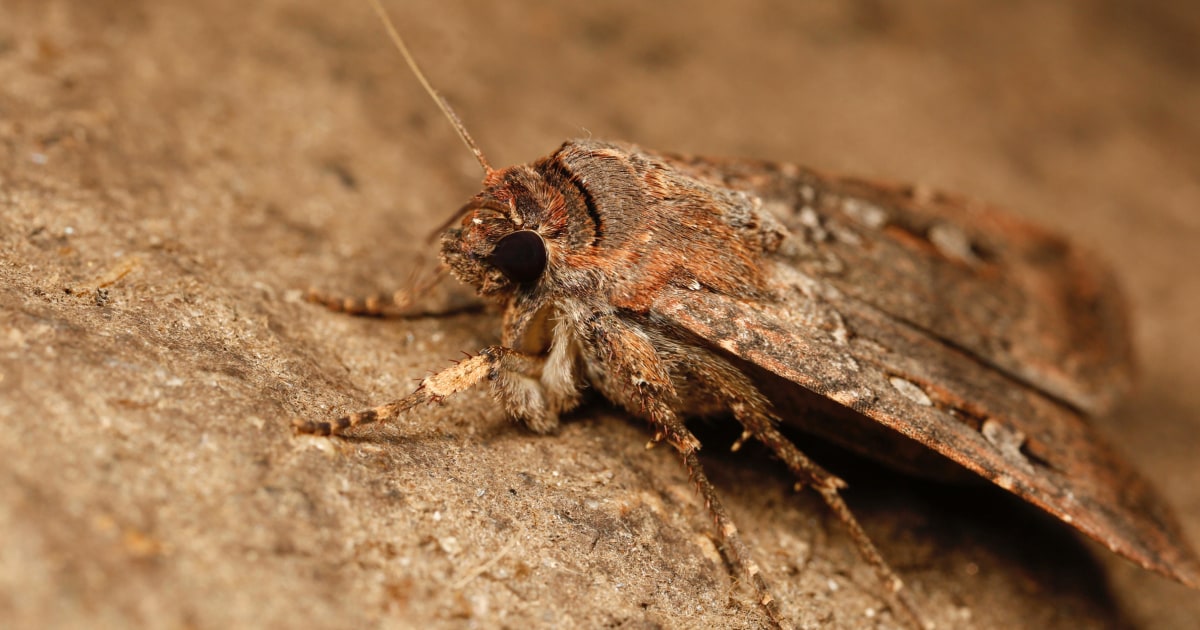
 NBC News
Bogong moths appear to use stars to navigate 600-mile journey, a first for insects
 Associated Press
This Australian moth uses the stars as a compass to travel hundreds of miles
Overview
Bogong moths migrate up to 1,000 kilometers to escape heat, using stars for navigation.
This behavior marks the first instance of invertebrates navigating long distances using celestial cues.
The moths adjust their flight patterns based on changes in the night sky during their journey.
Research published in Nature highlights the significance of the Milky Way in moth navigation.
After a decline due to environmental factors, the moth population has rebounded, showcasing their remarkable navigation skills.
Analysis
Emphasizes Bogong moths' unique ability to navigate long distances using the stars for guidance.
FAQ
Bogong moths migrate from breeding grounds in southern Queensland, western and northwestern NSW, and western Victoria to the Australian Alps in spring, and return in autumn.
The migration is thought to be triggered by factors such as unsuitable summer grasses for larvae and increasing temperatures, possibly linked to changes in day length as a cue.
Bogong moths use celestial cues, including the stars, to navigate during their migrations. The Milky Way is particularly significant in their navigation.