Perseverance Rover Uncovers New Signs of Ancient Life in Mars' Jezero Crater, Samples Collected for Earth Return
NASA's Perseverance rover discovered new potential signs of ancient life in Mars' Jezero Crater, collecting samples from Cheyava Falls and Sapphire Canyon for Earth return.
 New York Sun
Have We Found Life on Mars? NASA Says It's Closer Than Ever

 NPR
NPRLife on Mars? NASA says a rock sample shows potential signs of ancient life

 CNET
CNETNASA Found Signs of Ancient Alien Life on Mars. Here's How Excited You Should Be
 Epoch Times
NASA Says Discovery Could be Evidence of Ancient Life on Mars
Overview
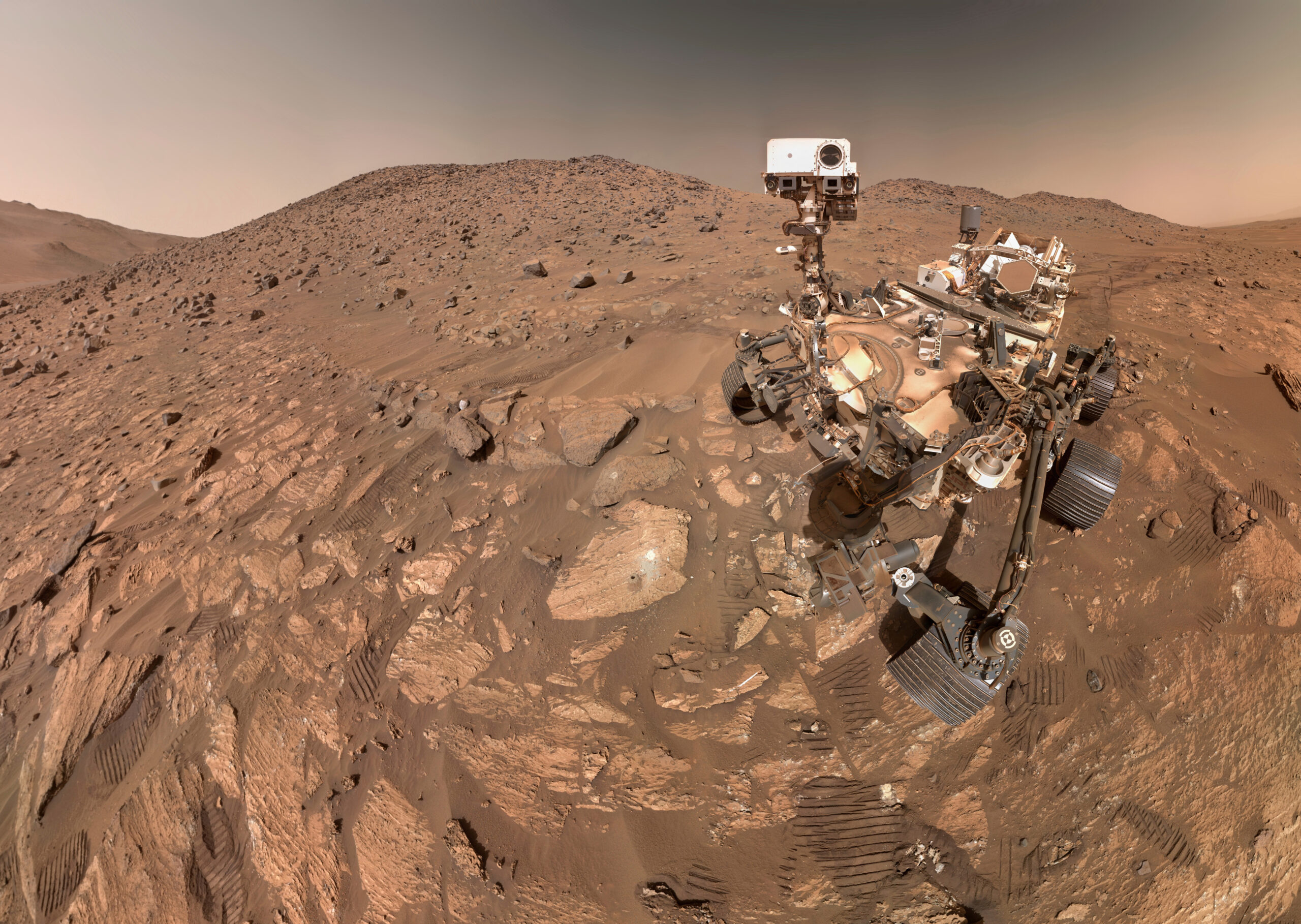
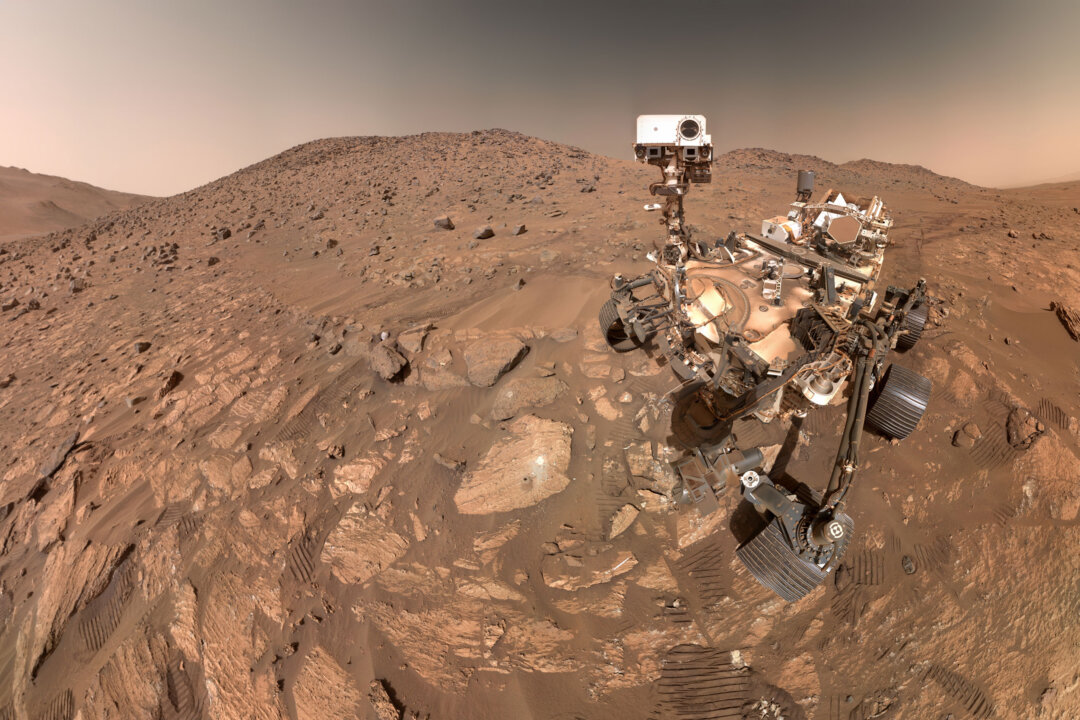
NASA's Perseverance rover has spent four years exploring Mars' Jezero Crater, a former lakebed, uncovering various signs that could indicate ancient microbial life.
The rover collected samples from Cheyava Falls and Sapphire Canyon, revealing colorful spots and rock compositions suggesting past water flow and potential ancient alien life.
Instruments detected iron, phosphate, calcium sulfate, carbon-based compounds, and organic matter, pointing to potential biosignatures and energy sources for ancient microbes.
While these findings are promising for ancient life, scientists emphasize they do not provide evidence for current life on Mars and require definitive testing on Earth.
Perseverance has collected multiple samples for a future return mission to Earth, though the Mars Sample Return mission faces significant delays into the 2040s.
Analysis
Center-leaning sources frame this story by emphasizing the immense potential and excitement surrounding NASA's discovery of 'potential biosignatures' on Mars. They highlight the scientific breakthrough and the agency's enthusiasm, using evocative language to underscore the findings' significance. While acknowledging caveats, the narrative prioritizes the tantalizing prospect of ancient Martian life and humanity's profound questions.
FAQ
Perseverance detected minerals such as reduced iron phosphates and sulfides, calcium sulfate, and carbon-based compounds, as well as organic matter in clay-rich mudstone rocks, particularly in Cheyava Falls and Sapphire Canyon. These are typically associated with water activity and potential biosignatures of ancient microbial life.
Scientists emphasize that although the findings indicate potential ancient biosignatures, the data so far do not provide evidence for current life on Mars because such observations require definitive, detailed testing on Earth to confirm that the minerals and compounds are indeed biological in origin.
Cheyava Falls and Sapphire Canyon are geological areas in Jezero Crater where Perseverance collected rock samples that contain colorful spots and mineral compositions indicative of complex redox chemistry and past water flow. These samples are among those targeted to be returned to Earth for detailed analysis to confirm signs of ancient microbial life.
Perseverance has collected multiple samples, including those from Cheyava Falls and Sapphire Canyon, for a planned Mars Sample Return mission. However, this mission faces significant delays, potentially extending into the 2040s, due to technical challenges and complexity in safely transporting the samples back to Earth.