Prehistoric Insects Discovered in South American Amber Offer Glimpse into Ancient Amazon
Scientists in Ecuador discovered 112-million-year-old prehistoric insects preserved in amber, the first South American find. This offers a unique glimpse into the ancient Amazon rainforest and Earth's biodiversity.
 CBS News
Prehistoric insects trapped in amber give glimpse into ancient life on Earth: "Little windows into the past"
 Associated Press
Discovery of insects trapped in amber sheds light on ancient Amazon rainforest

 Gizmodo
Scientists Just Found South Americaâs First Amber-Preserved Insectsâand Theyâre Stunning
Overview
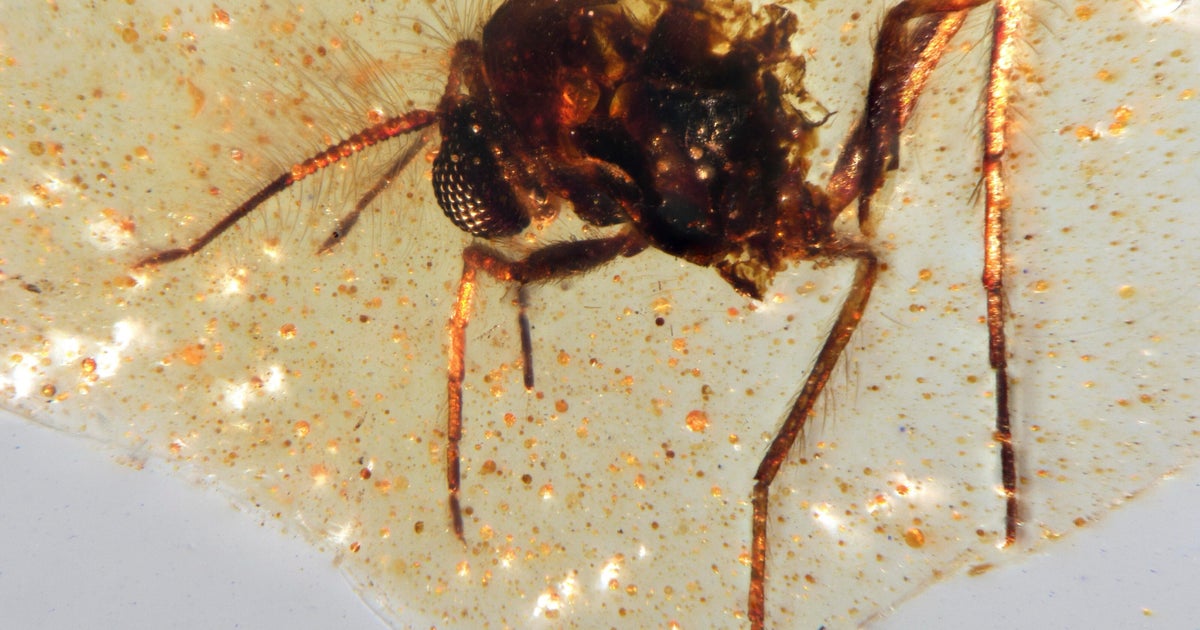
Scientists have made the first discovery of prehistoric insects, including beetles, flies, ants, and wasps, preserved in amber in South America, specifically at a sandstone quarry in Ecuador.
These ancient insects, trapped in fossilized tree resin, date back 112 million years to the Cretaceous period, providing invaluable insights into Earth's ancient past.
The discovery sheds new light on the ancient Amazon rainforest, revealing its past biodiversity and offering a unique glimpse into life on Earth during that era.
Analysis of the amber fossils indicates an ancient rainforest ecosystem featuring ferns, conifers, and the Monkey Puzzle Tree, which is no longer found in the Amazonia region.
Researchers are currently analyzing this significant amber trove to further study Cretaceous-era biodiversity and gain a deeper understanding of ancient life forms and environments.
Analysis
Center-leaning sources frame this story as a monumental and exciting scientific breakthrough. They employ consistently enthusiastic and evaluative language, such as "stunning" and "treasure trove," to highlight the discovery's significance. The narrative emphasizes the wonder and future potential of the findings, primarily through the perspective of the lead scientist, creating a tone of awe and anticipation.
FAQ
The discovery included beetles, flies, ants, and wasps preserved in amber dating back 112 million years to the Cretaceous period.
The amber fossils reveal an ancient rainforest ecosystem with plants like ferns, conifers, and the Monkey Puzzle Tree, providing new insights into the biodiversity and environment of the Cretaceous-era Amazon rainforest.
It is the first discovery of insect-bearing amber in South America, filling a notable geographical gap in the fossil record and allowing scientists to study ancient life forms from the Cretaceous period in this region for the first time.
The fossils indicate diverse insect groups already existed 112 million years ago, and their preservation in amber allows detailed study of their morphology and ecology, offering clues on the evolution of insects and rainforest ecosystems during the Cretaceous.
The amber analysis shows an ecosystem including ferns, conifers, and the Monkey Puzzle Tree, which is now absent from the Amazon region.