Enceladus: A Leading Candidate in the Search for Extraterrestrial Life
Recent studies reveal that Saturn's moon Enceladus has conditions favorable for life, including a subsurface ocean and complex organic chemistry.
 ABC News
Study adds to possibility of favorable conditions for life at Saturn's moon Enceladus
 Associated Press
New study adds to the possibility of favorable conditions for life at Saturn's moon Enceladus
 IFL Science
Proof Of Complex Organic Molecules In Enceladus’s Ocean: “You Have Everything You Need To Form Life”

 Gizmodo
New Life-Giving Molecules Found in 17-Year-Old Data From Saturnâs Moon Enceladus
Overview
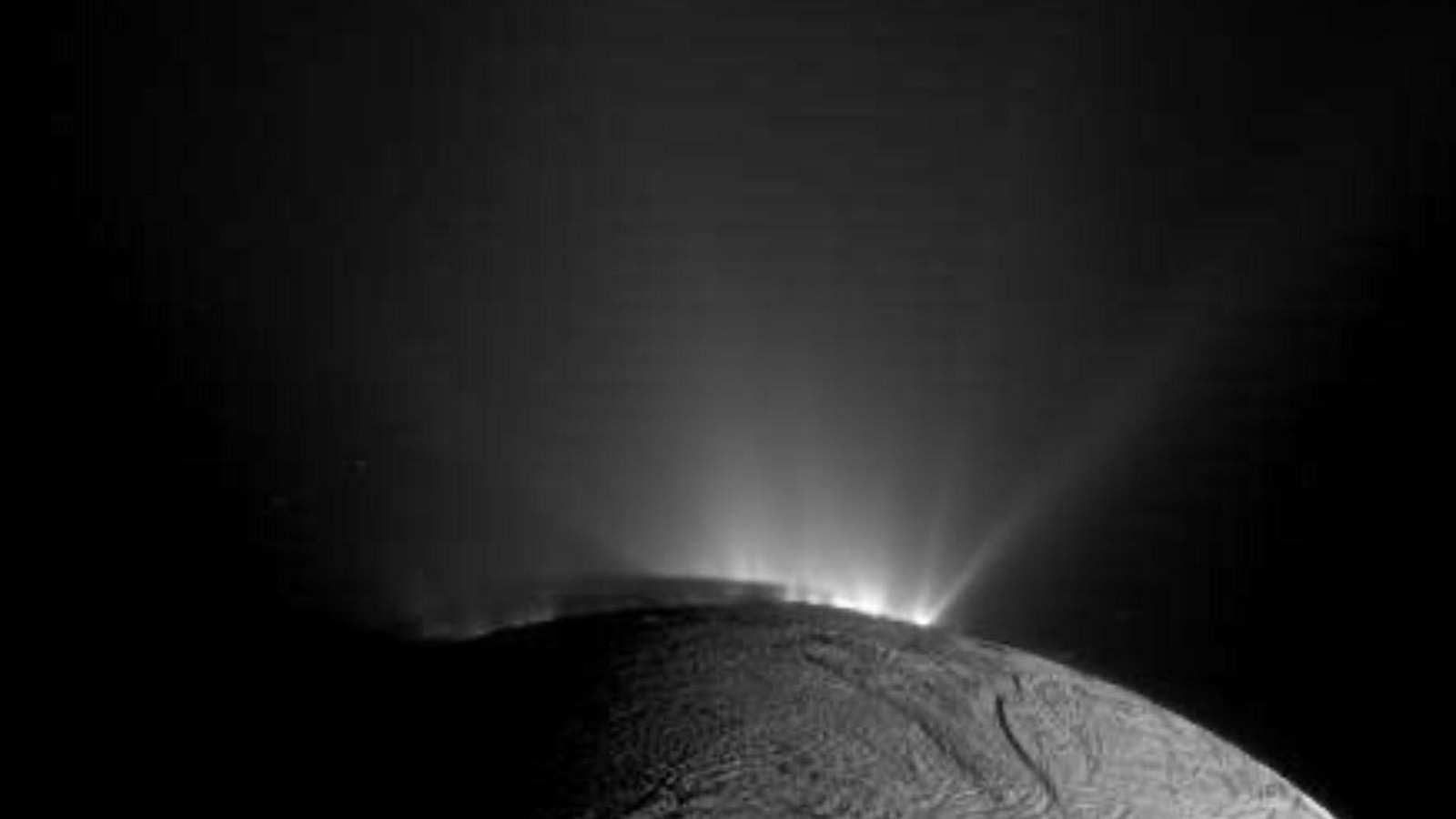
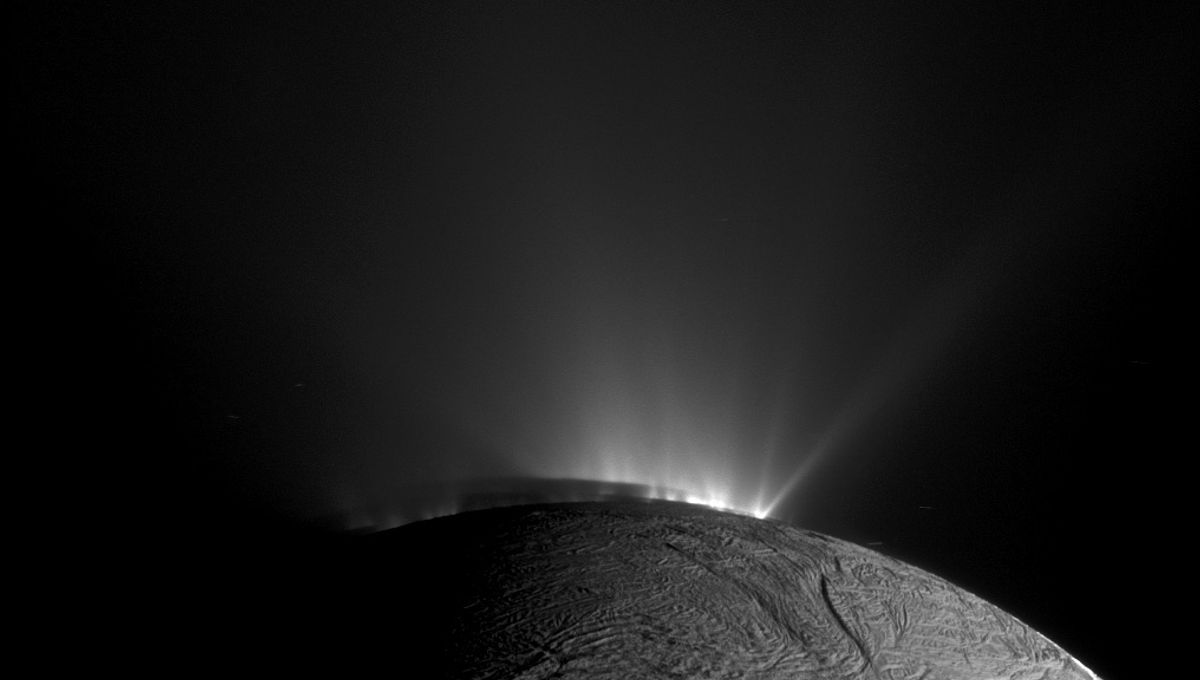
Enceladus, a moon of Saturn, is considered a prime candidate for extraterrestrial life due to its hidden ocean and water plumes.
Data from NASA's Cassini mission indicates the presence of life-sustaining molecules and complex organic chemistry beneath Enceladus' icy surface.
New organic compounds discovered in Enceladus' geysers enhance the moon's potential for harboring life.
International research teams have confirmed favorable conditions for life through analysis of ice grains from Enceladus' geysers.
The European Space Agency is planning a future mission to Enceladus, driven by the moon's promising signs of habitability.
Analysis
Center-leaning sources cover the story neutrally by focusing on the scientific discovery of new organic molecules on Enceladus and their implications for habitability. They present the research findings directly, provide necessary scientific context, and include expert commentary without injecting overt editorial bias or loaded language, maintaining an objective tone throughout the report.
FAQ
NASA's Cassini mission detected water vapor, icy plumes, sodium salts, and heat from Enceladus's south pole, indicating a global ocean beneath its icy shell.
Key life-essential elements such as phosphorus, hydrogen, and complex organic molecules (composed of oxygen, nitrogen, carbon, and hydrogen) have been detected in the plumes and ice grains ejected from Enceladus.
Hydrothermal vents on Enceladus's ocean floor may facilitate chemical reactions producing molecular hydrogen and organic compounds, providing energy sources similar to Earth's hydrothermal vent ecosystems that support life.
Complex organic molecules rising from hydrothermal vents may create environments conducive to life by providing necessary chemical building blocks and energy sources, as detected by Cassini in Enceladus’s plumes.
The European Space Agency is planning a future mission focused on Enceladus to investigate its habitability further, motivated by findings from Cassini about the moon’s subsurface ocean and organic chemistry.

