Planet-First Diet Could Halve Food Emissions and Save Lives by 2050
Adopting a planet-first diet could drastically cut greenhouse gas emissions from global food systems by over half by 2050, simultaneously reducing global heating and potentially saving thousands of lives daily.
 Associated Press
A recipe for avoiding 15 million deaths a year and climate disaster is fixing food, scientists say

 The Guardian
‘Planetary health diet’ could save 40,000 deaths a day, landmark report finds
 CNN
CNNA planet-first diet can feed the world by 2050 while improving the environment, new scientific analysis finds
Overview
A planet-first diet is proposed as a significant strategy to reduce environmental impact and improve public health globally.
This dietary shift has the potential to cut greenhouse gas emissions from global food systems by more than 50% by the year 2050.
The reduction in food-related emissions directly addresses the drivers of global heating, contributing to climate change mitigation efforts.
Beyond environmental benefits, adopting this diet could also lead to the prevention of thousands of deaths daily worldwide.
The initiative aims to tackle both climate change and public health crises through a unified approach to food consumption and production.
Analysis
Center-leaning sources frame this story by emphasizing the dire consequences of current food systems and presenting plant-based diets as a critical, urgent solution to climate disaster and preventable deaths. They highlight the EAT-Lancet report's findings as definitive, using strong, evaluative language to underscore the necessity of immediate dietary shifts for planetary and human health.
FAQ
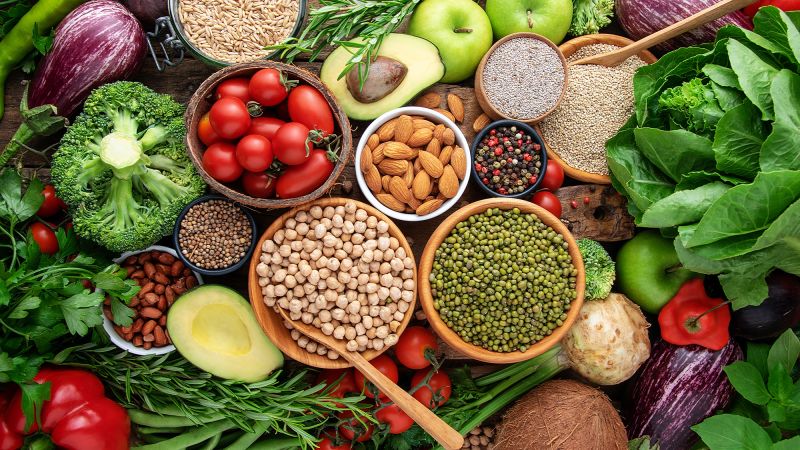
A planet-first diet, often aligned with the EAT-Lancet Planetary Health Diet, emphasizes a high intake of vegetables, fruits, legumes, nuts, and whole grains, while significantly reducing meat—especially red and processed meat—dairy, sugar, and refined grains. It typically includes about 500g of fruits and vegetables, 232g of whole grains, and only about 14g of red meat daily, with plant-based proteins replacing most animal-based proteins[2][4]. The goal is to double global consumption of plant foods and halve that of meat and sugar to meet both health and sustainability targets[4].
Shifting to a planet-first diet reduces greenhouse gas emissions by decreasing the demand for livestock production, which is a major source of methane and CO₂. Animal-based foods, especially red meat, have a much higher carbon footprint than plant-based foods. By replacing a significant portion of meat and dairy with plant proteins, the diet directly lowers emissions from agriculture, which is a leading driver of global heating and climate change[1][4]. This dietary change is projected to cut food-system emissions by over half by 2050 if widely adopted[1].
Adopting a planet-first diet can prevent thousands of deaths daily by reducing the risk of chronic diseases such as heart disease, stroke, diabetes, and certain cancers. The diet’s emphasis on fruits, vegetables, whole grains, and plant proteins, and its low intake of red meat, processed foods, and sugar, aligns with dietary patterns proven to promote longevity and lower disease risk[2][4]. It also addresses metabolic syndrome and cardiovascular disease by improving weight management and reducing intake of saturated fats and sugars[2].
A planet-first diet is designed as a flexible framework that can be adapted to local cuisines and food availability. It encourages bioregional sourcing—choosing locally grown, seasonal foods—which can make it culturally relevant and economically feasible in diverse regions[1][5]. While challenges exist in affordability and food accessibility in some areas, the general principles (more plants, less meat) can be applied globally with local adjustments to support both planetary and human health.
Reducing food waste is a key component of maximizing the environmental and health benefits of a planet-first diet. Meal planning and mindful consumption help ensure that the resources used to produce food—especially plant-based foods with lower environmental footprints—are not squandered. Less food waste means fewer emissions from production, transportation, and decomposition, further amplifying the climate benefits of dietary change[1].
