Scientists Revive Ancient Bulgarian Yogurt Using Red Wood Ants
Scientists have successfully revived an ancient Bulgarian yogurt-making practice by incorporating red wood ants as a unique ingredient, contributing to its distinct tangy taste and thick texture.
 IFL Science
“Tangy And Herbaceous” Yogurt Made With Forest Ants – And They’re Not For Extra Protein

 Gizmodo
Scientists Team Up With Michelin Chefs to Recreate Ancient YogurtâWith Ants
 ARS Technica
Scientists revive old Bulgarian recipe to make yogurt with ants

 The Guardian
‘Surprisingly creamy’: as a fermentista, how could I resist making ant yoghurt?
Overview
Scientists have successfully revived an ancient Bulgarian yogurt-making tradition, utilizing red wood ants as a crucial and unique ingredient in the fermentation process.
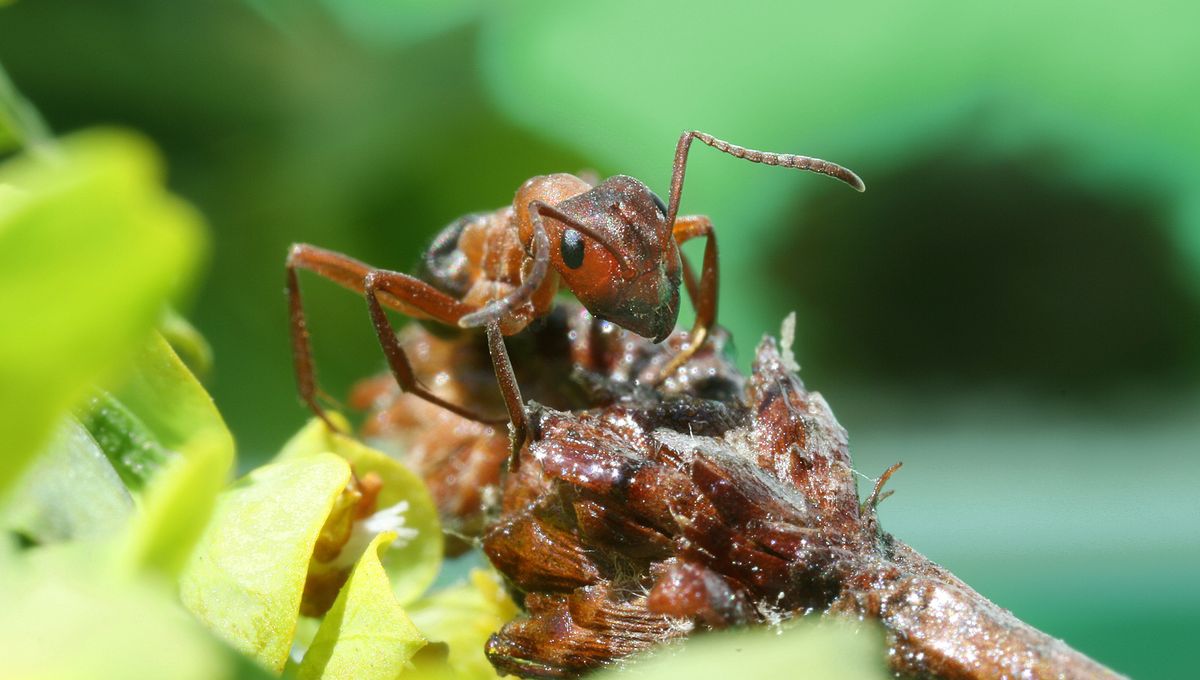
The ants contribute to yogurt creation by coagulating milk with their carried bacteria, leading to a distinct tangy taste and thick texture through fermentation within an ant mound.
Collaboration between authors, scientists, and chefs has led to the development of modern ant yogurt recipes, leveraging newly discovered ant compounds essential for production.
Studies indicate that these traditional ant-based yogurt methods exhibit higher biodiversity compared to contemporary techniques, highlighting the ants' significant role in fermentation.
Researchers strongly advise against attempting to make ant yogurt at home due to potential health risks, recommending that only cultural practitioners or skilled microbiologists undertake this process.
Analysis
Center-leaning sources cover this unique story neutrally, focusing on the scientific replication of an ancient Bulgarian ant yogurt recipe. They explain the process, the microbiology behind it, and its culinary applications without employing loaded language or biased emphasis, presenting the information in an informative and engaging manner.
FAQ
Red wood ants carry lactic and acetic acid-producing bacteria, including Fructilactobacillus sanfranciscensis, and produce formic acid through their venom. These bacteria and acids acidify and coagulate the milk, while enzymes from the ants and microbes break down milk proteins, leading to the thick texture and distinct tangy taste of the yogurt.
Researchers caution against homemade ant yogurt due to potential health risks, as live ants can carry parasites that in rare cases cause liver or gastrointestinal diseases. They recommend that only skilled microbiologists or cultural practitioners undertake the process to ensure safety.
Ant-based traditional yogurt exhibits much higher microbial biodiversity than modern yogurts, which typically use only two bacterial strains. This greater diversity varies based on location, season, and household traditions, and contributes to more complex flavors, textures, and aromatic profiles.
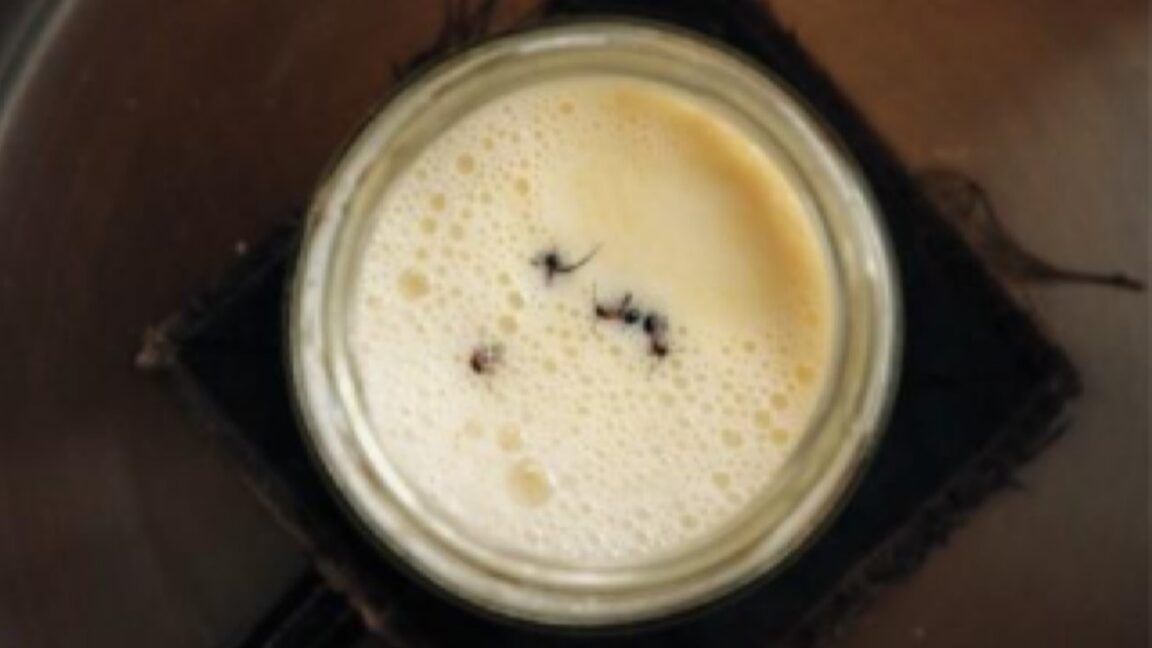
The process involves placing a few live red wood ants into a jar of warm milk and then burying the jar inside an active ant mound. The mound’s heat supports microbial growth, allowing bacteria and ant-derived acids and enzymes to ferment the milk overnight into yogurt.
Yes, scientists collaborated with chefs at a two-star Michelin restaurant in Copenhagen to adapt the traditional ant yogurt into contemporary recipes, such as yogurt ice-cream sandwiches, introducing this biocultural heritage to modern dining.


