Brunkow, Ramsdell, and Sakaguchi Awarded 2025 Nobel Prize for Groundbreaking Immunology Discoveries
Brunkow, Ramsdell, Sakaguchi won 2025 Nobel Prize for discovering regulatory T cells, crucial for immune tolerance and new treatments for autoimmune diseases and cancer.
 Epoch Times
Nobel Prize in Medicine Goes to 3 Scientists for Key Immune System Discoveries
 The Guardian
Nobel committee unable to reach prize winner who is ‘living his best life’ hiking off grid
 ARS Technica
Discovery of cells that keep immune responses in check wins medicine Nobel Prize
 World News Group
American scientists win Nobel Prize for immune system discovery
Overview
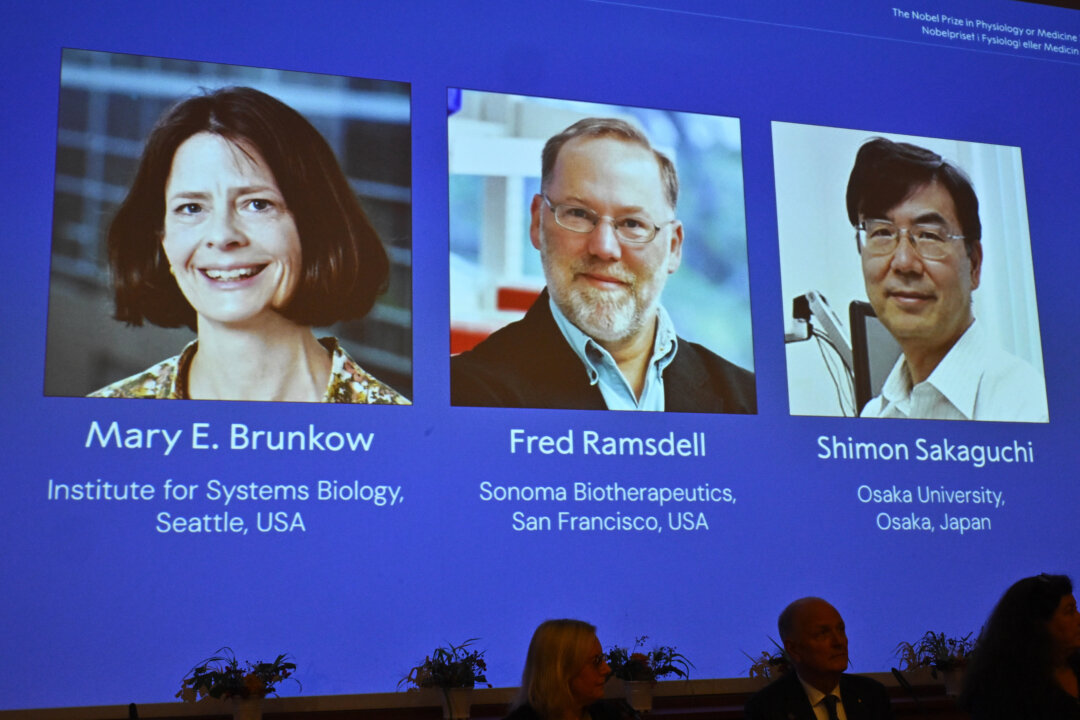
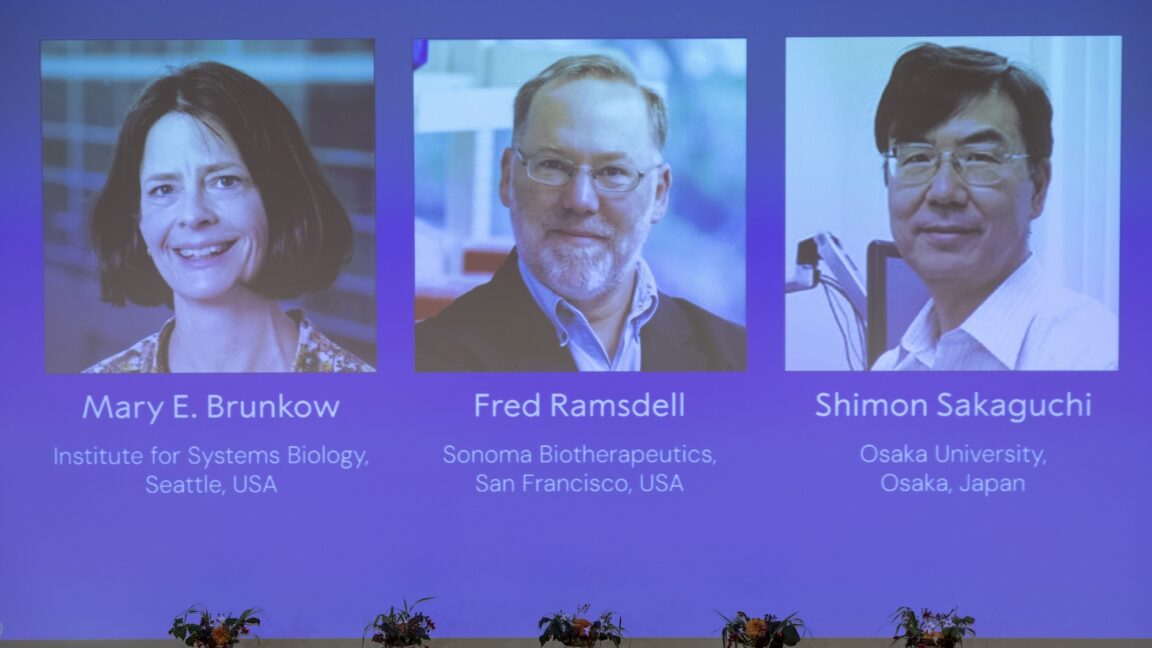
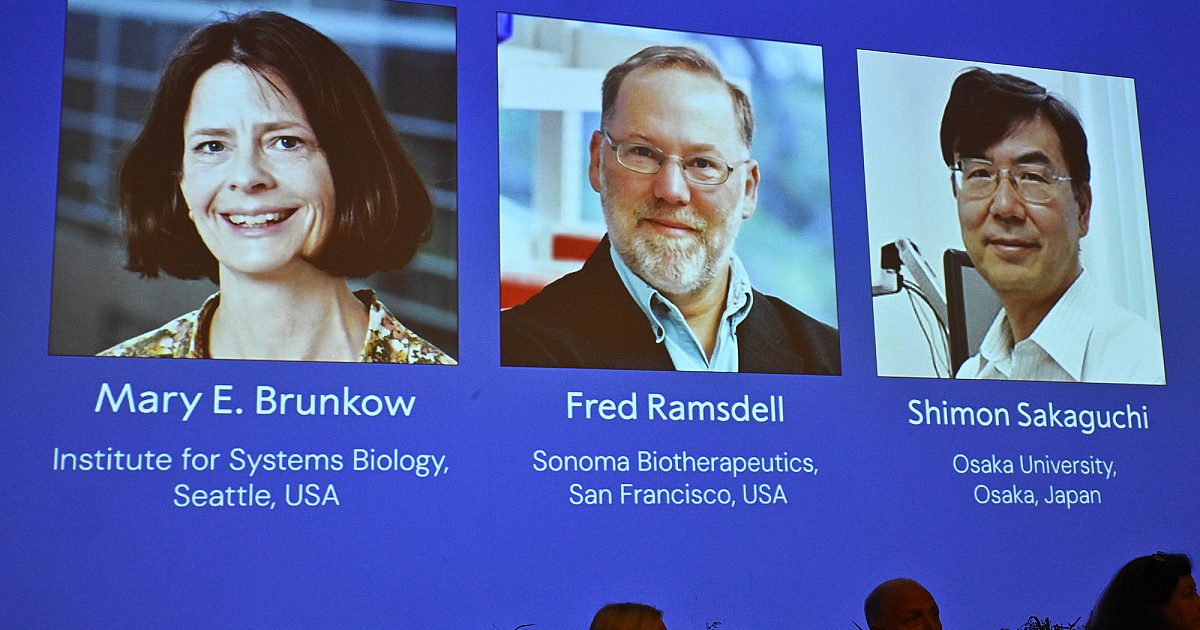
Mary Brunkow, Fred Ramsdell, and Shimon Sakaguchi were jointly awarded the 2025 Nobel Prize in Physiology or Medicine for their pivotal discoveries in immunology.
Shimon Sakaguchi, an immunologist at Osaka University in Japan, discovered regulatory T cells in 1995, identifying a crucial immune cell subtype protecting against autoimmune diseases.
Brunkow, from the Institute for Systems Biology in Seattle, and Ramsdell, from Sonoma Biotherapeutics in San Francisco, identified a Foxp3 gene mutation in 2001.
Sakaguchi later linked this Foxp3 gene to controlling T-reg development, explaining autoimmune vulnerabilities and maintaining immune tolerance, revealing new pathways for research.
Their collective discoveries elucidated how the immune system distinguishes self from non-self, preventing autoimmune diseases and enabling new treatments for autoimmune conditions and cancer.
Analysis
Center-leaning sources cover the Nobel Prize announcement neutrally, focusing on factual reporting of the scientific achievement. They consistently present the laureates, their discoveries in peripheral immune tolerance, and the potential for new treatments. The coverage avoids loaded language or selective emphasis, maintaining an objective tone appropriate for a major scientific award.
FAQ
Regulatory T cells (Tregs) are a specialized subset of T cells that maintain immune system balance by preventing excessive immune responses and maintaining self-tolerance, which protects against autoimmune diseases by ensuring the immune system does not attack the body's own tissues.
The FOXP3 gene encodes a transcription factor critical for the development and function of regulatory T cells. Mutations in FOXP3 disrupt Treg cell development, leading to autoimmunity, and this discovery helped explain how Tregs control immune tolerance.
Sakaguchi first identified regulatory T cells that protect against autoimmune diseases, while Brunkow and Ramsdell discovered the FOXP3 gene mutation responsible for Treg defects. Together, their findings elucidated how immune tolerance is maintained and paved the way for new treatments for autoimmune diseases and cancer.
Natural regulatory T cells (nTregs) develop in the thymus and maintain tolerance to self-antigens, while induced regulatory T cells (iTregs) arise from conventional T cells in the periphery at mucosal sites to promote tolerance to dietary, environmental, and commensal antigens; both subsets express FOXP3 but have distinct developmental origins and functions.
The thymus gland produces regulatory T cells by supporting the maturation of lymphocytes into T cells, including Tregs, during early life. It secretes thymosin, a hormone that aids this development. The thymus is most active until puberty, after which it shrinks and its activity decreases.