Scientists Trace Kissing's Origins Back 21 Million Years to Ancestors of Humans and Apes
New research suggests kissing, a non-aggressive oral-oral contact, likely evolved 21 million years ago in the common ancestor of humans and great apes, with evidence also found in Neanderthals.
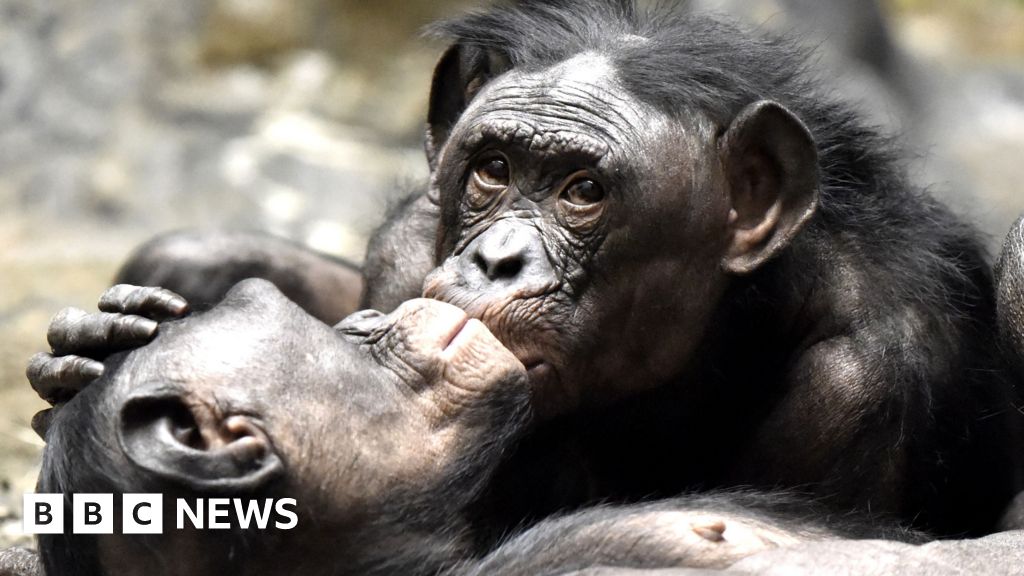
 BBC News
First kiss dates back 21 million years, say scientists
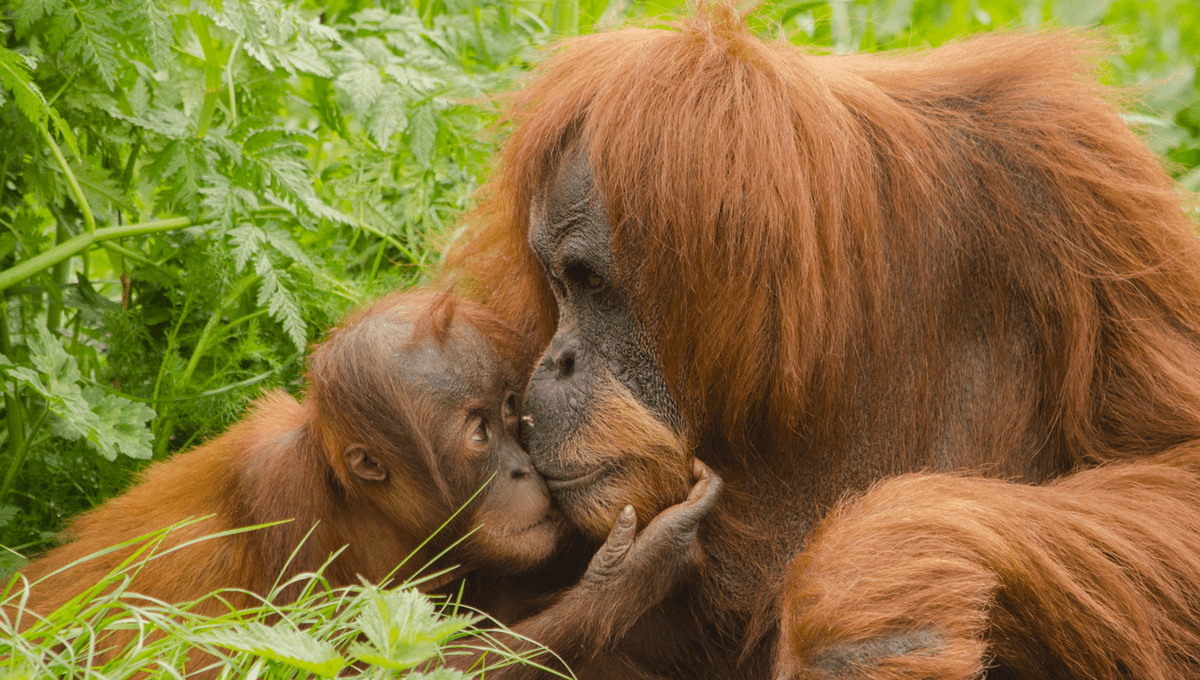
 IFL Science
Neanderthals, Ancient Apes, And Human Ancestors Were All Kissing – Just Not Each Other (Mostly)

 Gizmodo
Apes Were Kissing Millions of Years Before Humans, Study Suggests
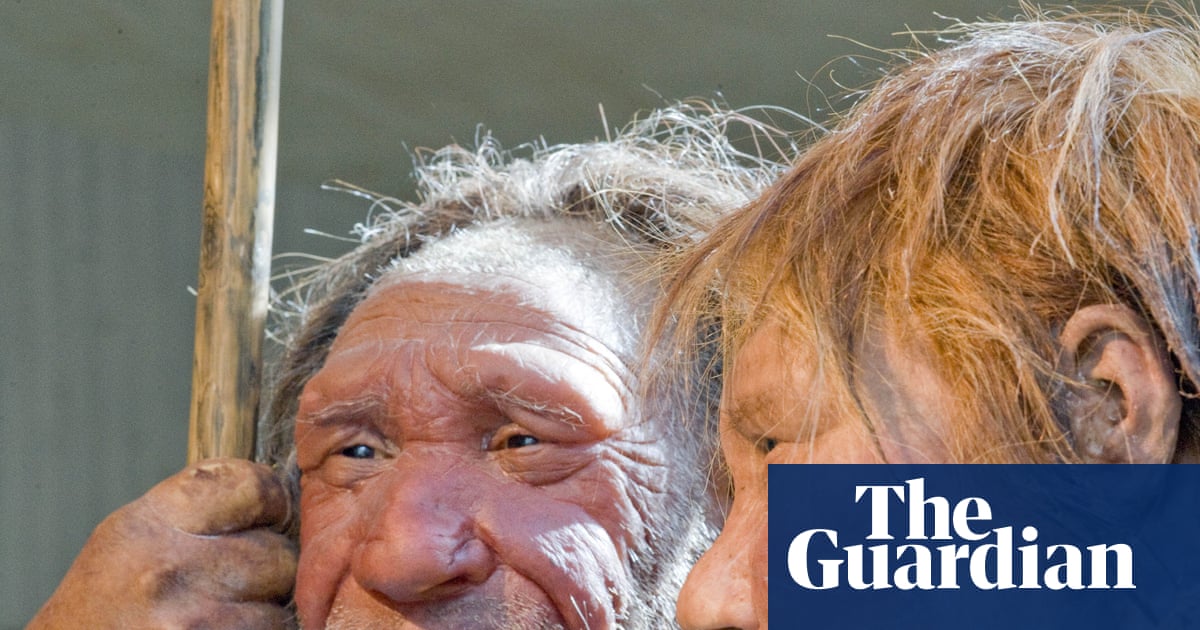
 The Guardian
Neanderthals and early humans ‘likely to have kissed’, say scientists
Overview
Scientists propose kissing, defined as non-aggressive oral-oral contact, originated approximately 21 million years ago in the shared ancestor of humans and other great apes.
This ancient behavior predates modern humans, with evidence suggesting its presence in apes millions of years before human existence.
Neanderthals are also believed to have engaged in kissing, supported by studies indicating shared oral microbes with modern humans for hundreds of thousands of years.
The shared oral microbe in saliva between modern humans and Neanderthals after their species split strongly implies they likely engaged in kissing behaviors.
While the timeline of kissing's evolution has been pinpointed to 21 million years ago, the precise reasons behind its development remain an area of ongoing scientific inquiry.
Analysis
Center-leaning sources cover this story neutrally, focusing on presenting the scientific findings of the study without injecting editorial bias. They prioritize clarity and factual reporting, explaining the research methodology, key discoveries, and inherent limitations. The language remains objective, even when using lighthearted phrasing, ensuring the scientific integrity of the report.
FAQ
Scientists base their conclusion on the presence of non-aggressive oral-oral contact in great apes and the shared oral microbiome between modern humans and Neanderthals, which implies a long evolutionary history of kissing behaviors.
The shared oral microbiome suggests that humans and Neanderthals engaged in behaviors that transferred saliva, such as kissing, even after their species diverged hundreds of thousands of years ago.
Researchers believe Neanderthals kissed because studies show they shared oral microbes with modern humans, which is strong evidence of saliva exchange through kissing.
The exact evolutionary purpose of kissing is still under investigation, but it may have played roles in social bonding, mate selection, or health-related behaviors.
In this context, kissing is defined as non-aggressive oral-oral contact, distinguishing it from aggressive or feeding behaviors.