Moss Spores Survive Nine Months in Space, Return to Earth Healthy and Reproducible
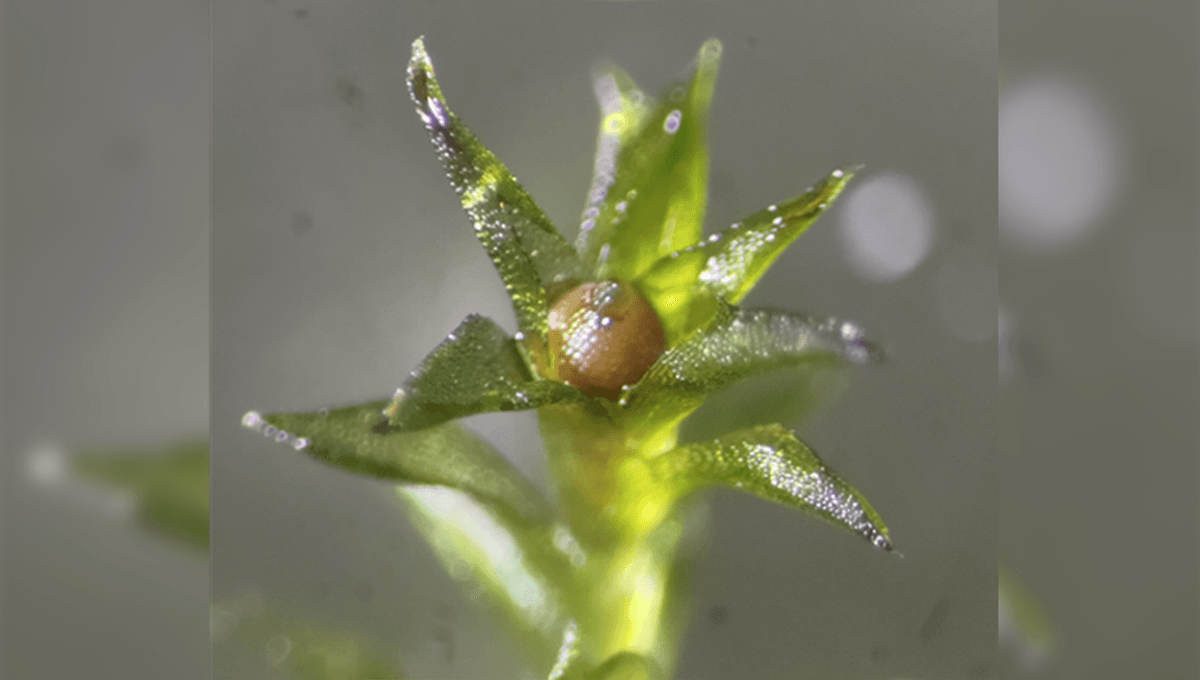
Moss spores endured nine months on the International Space Station's exterior, surviving extreme cosmic conditions and returning to Earth intact, healthy, and capable of reproduction.



Overview
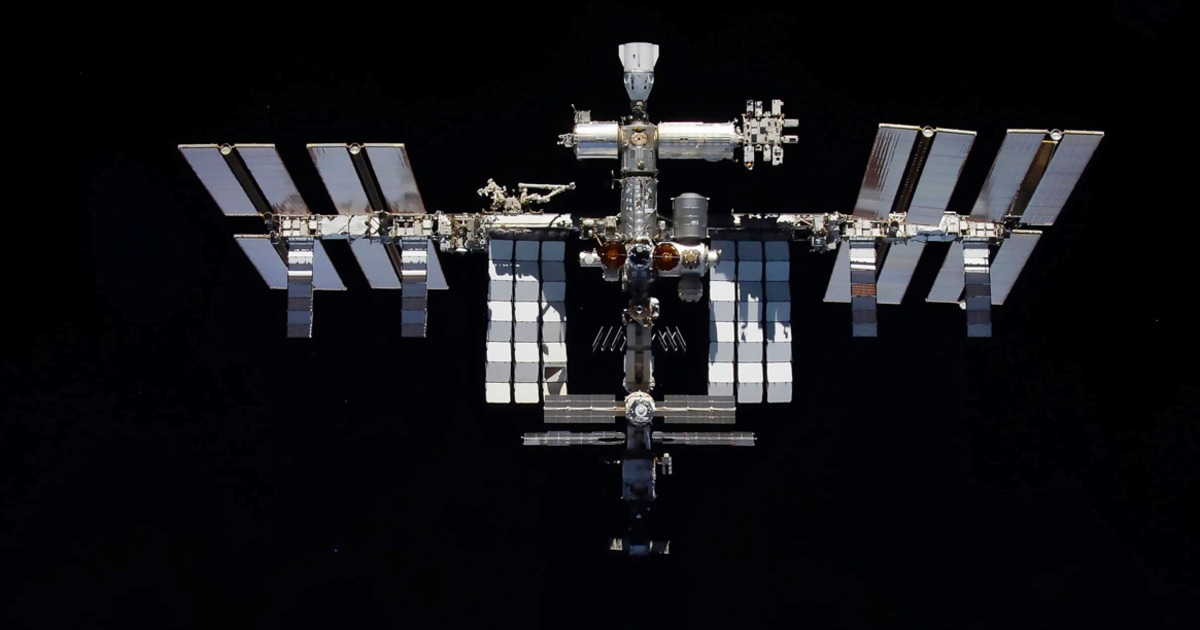
Moss spores were intentionally exposed to the harsh environment of space for nine months as part of an experiment on the International Space Station.
Attached to the ISS exterior, the moss endured extreme conditions including the vacuum of space, intense radiation, and significant temperature fluctuations.
The experiment also tested the moss's resilience against microgravity, a constant factor during its prolonged orbit around Earth.
Upon their return, the moss spores were found to be remarkably intact and healthy, demonstrating an extraordinary capacity for survival in space.
Crucially, the moss spores retained their ability to reproduce after their nine-month journey, highlighting their potential for astrobiological research.
Analysis
Center-leaning sources frame this story by emphasizing the extraordinary resilience of life, particularly moss, against extreme conditions. They use evocative language to highlight the surprising survival rates and the broader implications for astrobiology, creating a narrative of wonder and the incredible toughness of organisms.
FAQ
The moss spores on the ISS were exposed to the vacuum of space, intense cosmic radiation including UV radiation, extreme temperature fluctuations ranging between -196°C and 55°C, and microgravity for nine months.
More than 80 percent of the moss spores survived the nine-month exposure to space and retained the ability to germinate and reproduce successfully once back on Earth.
The survival and reproductive capability of moss spores in space suggest that terrestrial life has intrinsic mechanisms to endure harsh space conditions, indicating potential for establishing ecosystems on the Moon, Mars, or other extraterrestrial environments.
The sporophytes (encapsulated spores) were the most resilient form, surviving extreme UV radiation and temperature extremes far better than juvenile moss or brood cells, demonstrating high tolerance to space stressors.
The research team's model predicts that moss spores could potentially survive in space for up to approximately 15 years (about 5,600 days) under space conditions, though this estimate requires more data for confirmation.
