Ancient Humans Mastered Fire 400,000 Years Ago, New Evidence Suggests
Researchers discovered evidence at Barnham, Suffolk, indicating ancient humans, including Neanderthals, were deliberately making fire 400,000 years ago, significantly earlier than previously believed.
 PBS NewsHour
Humans were making fire 350,000 years earlier than previously thought, study finds

 The Debrief
Was This the First Fire? Archaeologists Unearth New Evidence That Could Solve a Burning Ancient Question
 ABC News
Study finds humans were making fire 400,000 years ago, far earlier than once thought
 ARS Technica
This is the oldest evidence of people starting fires
Overview
Geochemical tests at Barnham, Suffolk, revealed evidence of repeated burning at over 700 degrees Celsius, indicating ancient humans were making fire around 400,000 years ago.
This discovery, led by the British Museum, suggests deliberate fire-making occurred much earlier than previously thought, challenging the accepted timeline of human technological advancement.
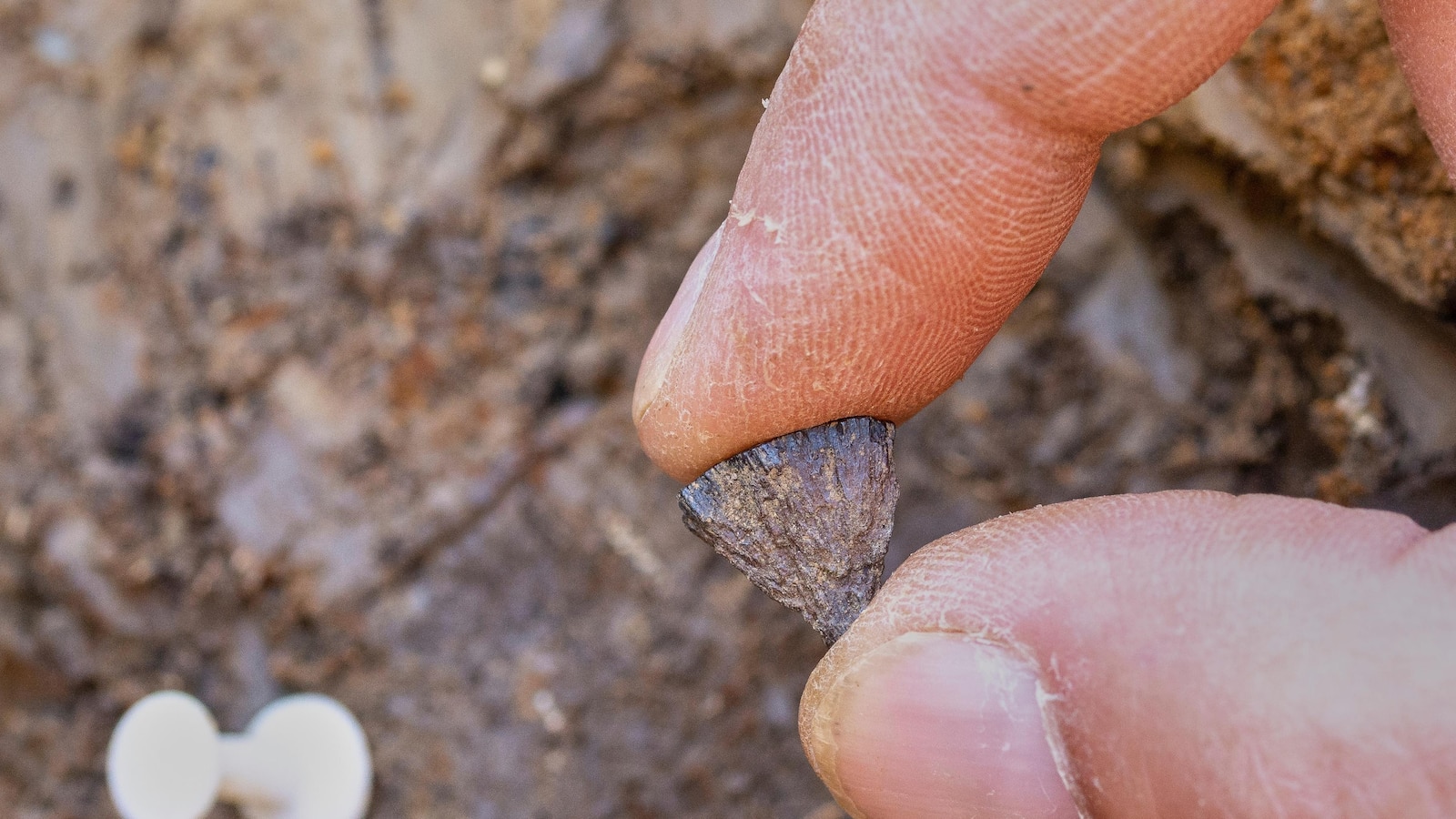
The presence of non-native iron pyrite, baked earth, and burnt bones at Barnham indicates intentional gathering and a constructed hearth by early humans.
Mastery of fire enabled early populations, including Neanderthals, to survive colder environments, deter predators, and cook food, supporting larger brains and improved digestion.
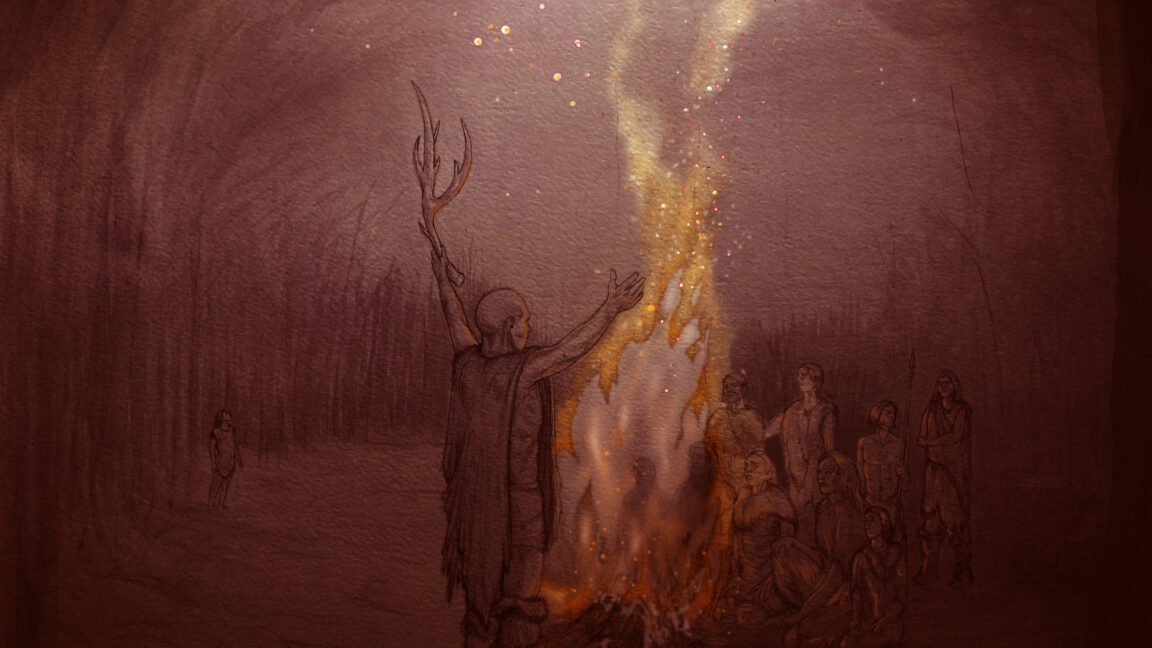
The use of controlled fire also fostered new forms of social life, including evening gatherings, planning, and storytelling, revolutionizing human evolution and society.
Analysis
Center-leaning sources cover this story neutrally, focusing on presenting new scientific findings and their implications without overt bias. They use clear, descriptive language to explain complex archaeological research, attributing all claims to the study's authors and maintaining an objective tone. The coverage emphasizes the significance of the discovery in addressing a long-standing scientific question.
FAQ
The evidence includes geochemical tests showing repeated burning at over 700 degrees Celsius, the presence of non-native iron pyrite, baked earth, and burnt bones, which together suggest intentional fire-making and a constructed hearth by early humans.
This discovery pushes back the timeline for deliberate fire-making by humans, showing that ancient humans, including Neanderthals, mastered fire around 400,000 years ago, which is about 350,000 years earlier than previously believed.
Mastery of fire enabled early humans to survive colder environments, deter predators, cook food for better digestion, support larger brains, and foster new social behaviors such as evening gatherings, planning, and storytelling.
The discovery indicates that ancient humans including Neanderthals were deliberately making fire around 400,000 years ago.