NASA Loses Contact with Mars-Orbiting Maven Spacecraft
NASA has lost communication with its Maven spacecraft, which has been orbiting Mars for over a decade. The spacecraft, launched in 2013, studied the Martian atmosphere and served as a relay for rovers.
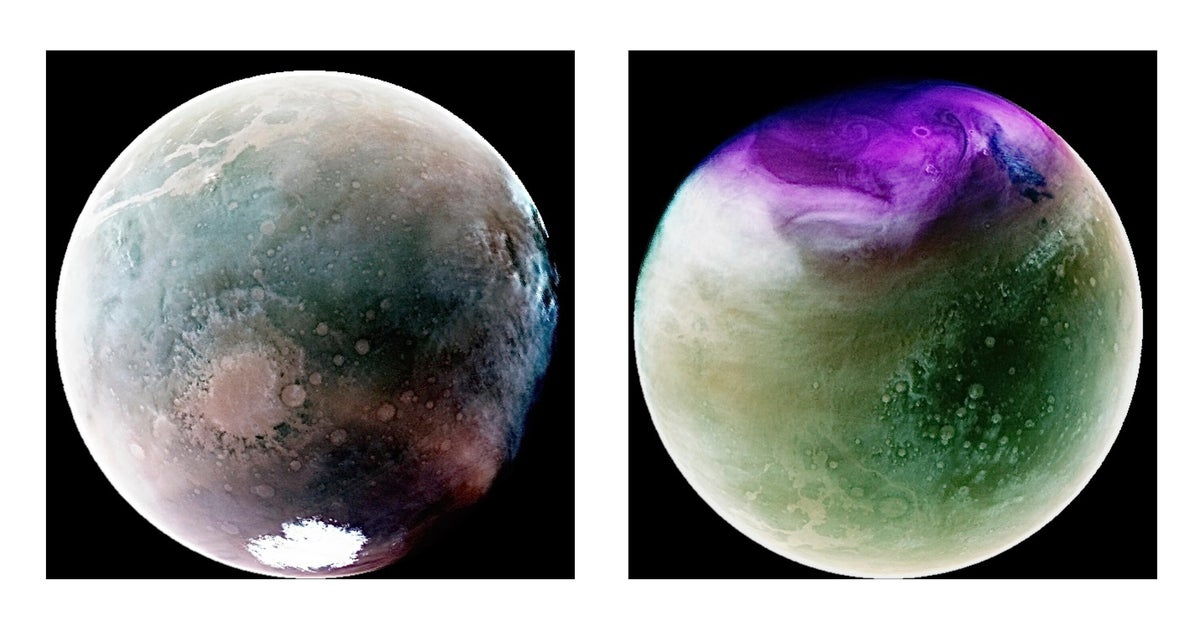
 CBS News
NASA says Maven spacecraft that was orbiting Mars has gone silent
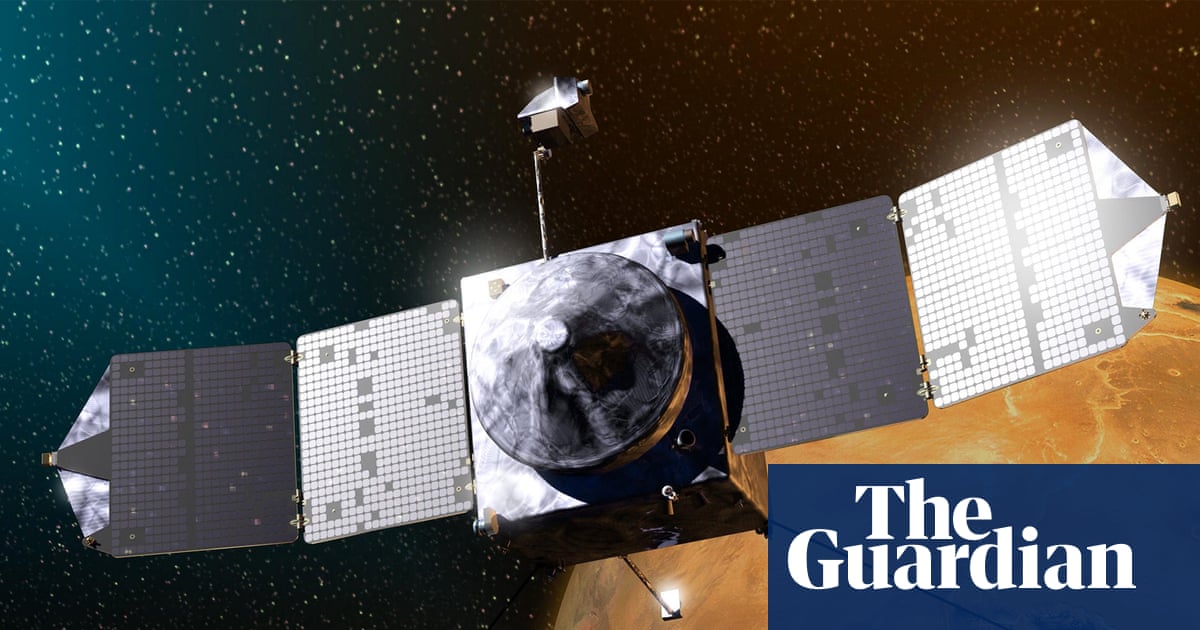
 The Guardian
Nasa loses contact with spacecraft orbiting Mars for more than a decade
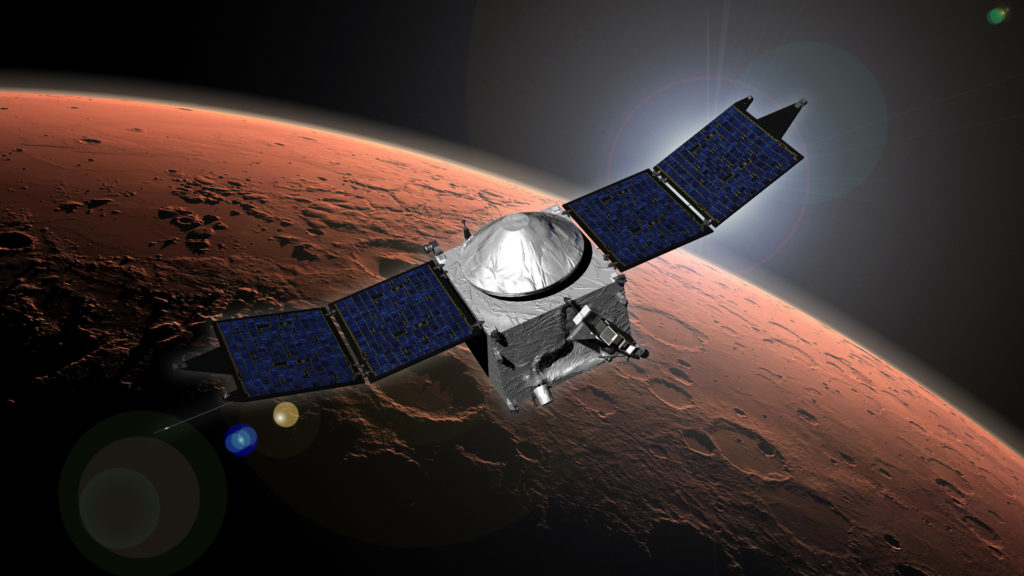
 PBS NewsHour
NASA loses contact with Maven spacecraft orbiting Mars for the past decade

 ABC News
NASA loses contact with its Maven spacecraft orbiting Mars for the past decade
Overview
NASA has lost contact with its Maven spacecraft, which has been orbiting Mars for over a decade, going silent after previously working fine.
The Maven spacecraft, launched in 2013 and reaching Mars in 2014, was designed to study the upper Martian atmosphere and its interaction with solar wind.
Maven also played a crucial role as a communication relay for NASA's Mars rovers, Curiosity and Perseverance, facilitating data transmission back to Earth.
Engineers are currently conducting investigations to determine the cause of the communication loss with the spacecraft, which occurred over the weekend.
Despite the loss of Maven, NASA maintains two other active spacecraft, the Mars Reconnaissance Orbiter and Mars Odyssey, currently orbiting the Red Planet.
Analysis
Center-leaning sources cover the loss of contact with NASA's Maven spacecraft neutrally. They present the facts directly, focusing on the event, the spacecraft's mission, and NASA's ongoing efforts. The reporting avoids loaded language or speculative interpretations, providing a straightforward account of a technical incident without editorializing or emphasizing any particular angle.
FAQ
MAVEN's primary scientific mission is to study Mars' upper atmosphere and ionosphere to understand the loss of its atmospheric gases to space, providing insight into the planet's climate evolution over time.
NASA lost contact with MAVEN on December 6, 2025, when the spacecraft went behind Mars and failed to reestablish communication upon emerging from the planet's far side, although telemetry showed normal function prior to signal loss.
MAVEN serves as a communication relay station, facilitating data transmission between Mars rovers, such as Curiosity and Perseverance, and Earth.
NASA continues to operate two other Mars orbiters, the Mars Reconnaissance Orbiter and Mars Odyssey, which remain active and support ongoing Mars missions.
MAVEN has been orbiting Mars since September 2014, following its launch in November 2013, with a prime mission originally planned for two years and extended through 2025 before the recent communication loss.