Chinese Researcher Charged with Smuggling E. coli into U.S.
A Chinese post-doctoral researcher faces charges for allegedly smuggling E. coli bacteria into the United States while entering on a visa, raising concerns about biological material transport.




Overview
A Chinese post-doctoral researcher has been formally charged by U.S. authorities for allegedly smuggling E. coli bacteria into the United States.
The researcher reportedly transported the biological material into the U.S. while entering the country on a visa, indicating a potential violation of immigration and import laws.
This incident highlights the serious legal ramifications and biosecurity concerns associated with the unauthorized movement of biological agents across international borders.
The charges underscore the critical importance of stringent regulations and screening processes for individuals importing scientific materials into the United States.
Authorities are investigating the circumstances surrounding the alleged smuggling, emphasizing the need for vigilance in preventing the illicit transport of hazardous substances.
Analysis
Analysis unavailable for this viewpoint.
FAQ
Youhuang Xiang, a post-doctoral researcher and J-1 visa holder from China, has been charged with smuggling E. coli into the country and making false statements.
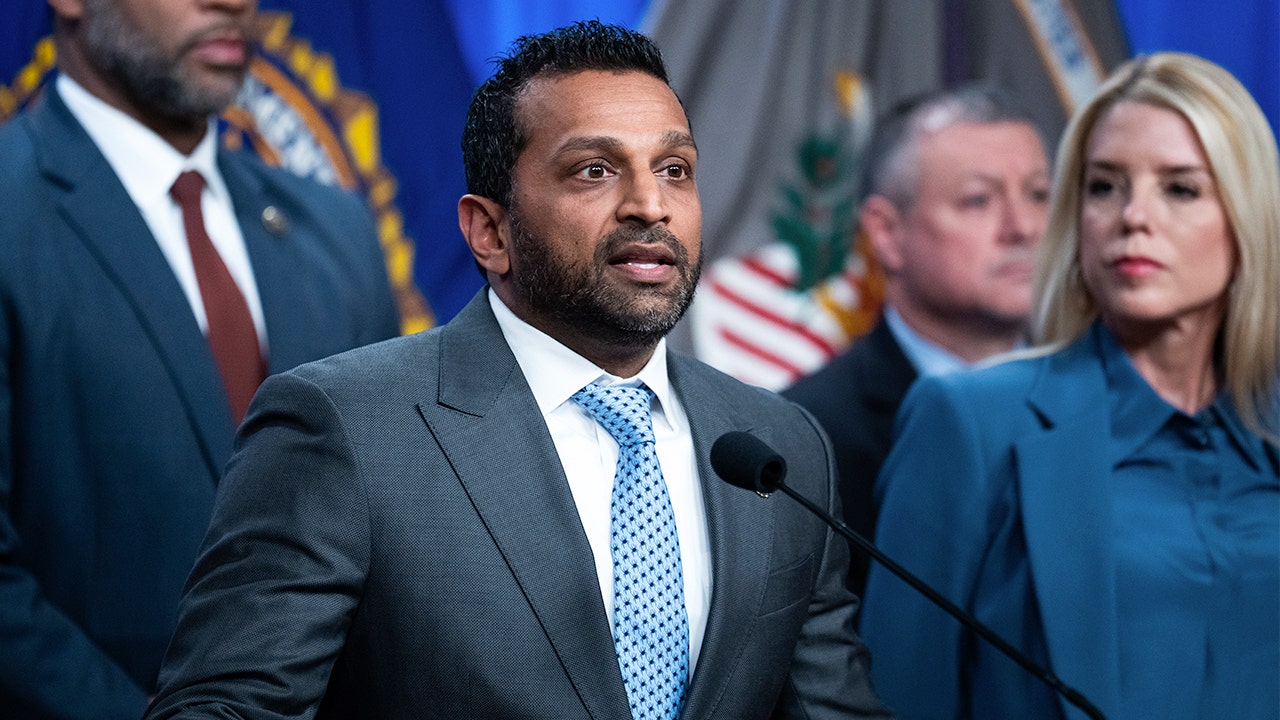
FBI Director Kash Patel announced that the post-doctoral researcher was charged with smuggling Escherichia coli (E. coli) into the U.S. and making false statements about it.
Yes, Yunqing Jian, a Chinese researcher at the University of Michigan, pleaded guilty to smuggling Fusarium graminearum, a crop pathogen, and was sentenced to time served before deportation in November 2025.
E. coli can cause foodborne illness, diarrhea, urinary tract infections, pneumonia, and sepsis, raising biosecurity concerns about contaminating food crops or supplies.
A single smuggling charge carries up to 20 years in prison, as seen in related cases where researchers received time served or deportation after pleading guilty.


