Bomb Cyclone Brings Widespread Outages, Deadly Crashes and Great Lakes Surges
A rapidly intensifying bomb cyclone caused deadly crashes, over 220,000 power outages—mostly in Michigan—catastrophic Great Lakes waves, exposed wrecks, and dangerous nationwide arctic wind chills.
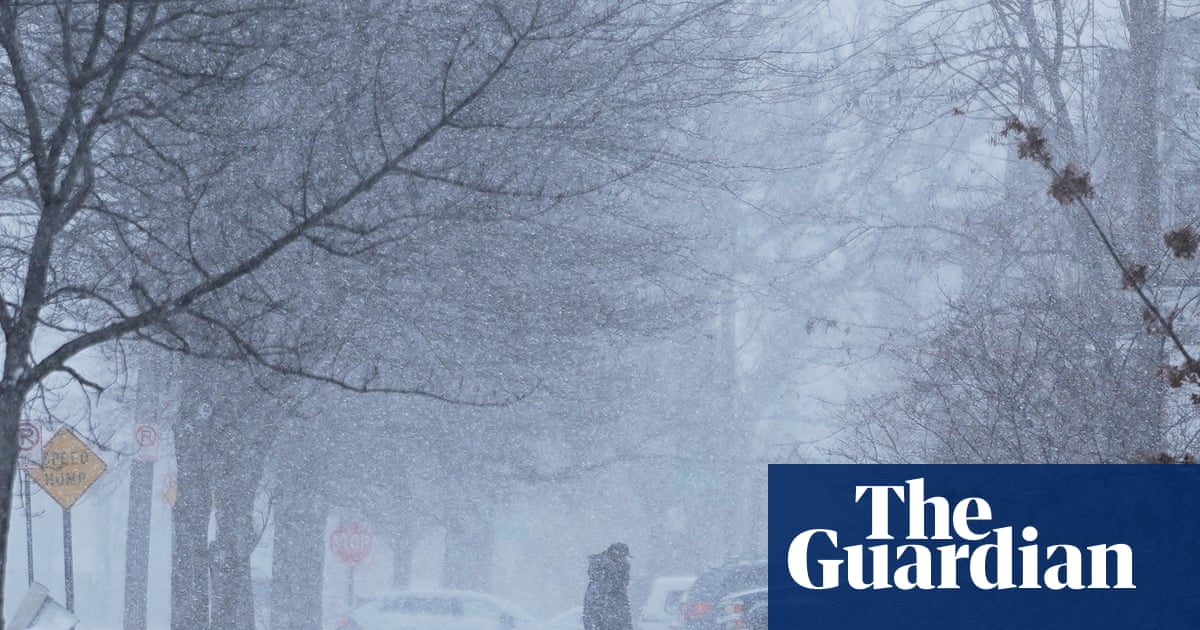
 The Guardian
Winter storm brings heavy snow and strong winds across parts of the US
The GuardianWinter storm brings heavy snow and strong winds across parts of the US
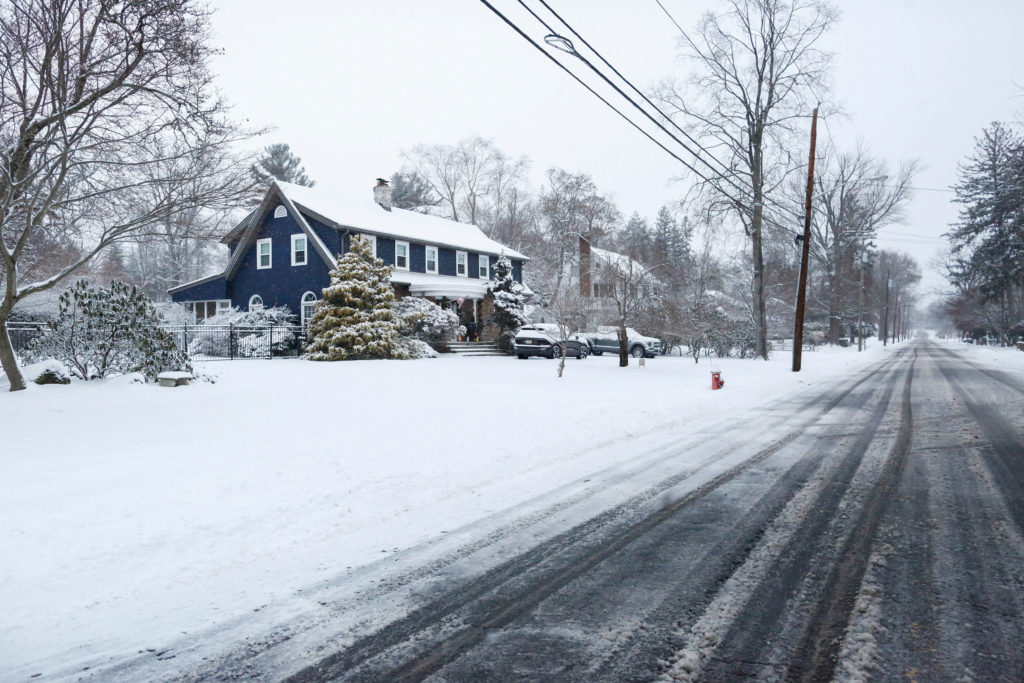
 PBS NewsHour
Winter storm descends on Great Lakes and Northeast after bomb cyclone leaves thousands without power
PBS NewsHourWinter storm descends on Great Lakes and Northeast after bomb cyclone leaves thousands without power
Overview
Storm rapidly intensified into a bomb cyclone after a sharp pressure drop, producing blizzard conditions across the Plains, Great Lakes and parts of the Northeast, disrupting travel and services.
Power outages surged to more than 220,000 customers nationwide, with Michigan hardest hit; earlier tallies showed roughly 153,000 outages before totals climbed further.
Severe winter conditions in Iowa led to dozens of crashes and at least one confirmed fatality, prompting prolonged closures including more than 200 miles of Interstate 35.
Fierce Great Lakes conditions produced 16‑foot waves on Lake Superior that forced nearly all cargo ships into harbor; Lake Erie surges exposed wrecks and 1830s pier remnants observed in Michigan.
NWS warns of dangerous wind chills to -30°F in North Dakota and Minnesota, rare nearly hurricane‑force winds near Dolly Sods, and possible rain for Pasadena's Rose Parade.
Analysis
Center-leaning sources present the winter storm coverage with a focus on factual reporting and comprehensive details, avoiding loaded language or selective emphasis. They provide a balanced view by including various perspectives, such as meteorologists' forecasts, government warnings, and personal anecdotes from affected individuals. This approach ensures a neutral narrative, emphasizing the storm's impact and safety precautions without editorial bias.
FAQ
A bomb cyclone is a rapidly intensifying extratropical storm characterized by a sharp pressure drop, leading to blizzard conditions, high winds, and severe weather across regions like the Plains, Great Lakes, and Northeast.
The storm caused over 220,000 power outages nationwide, with Michigan being the hardest hit, reporting over 78,000 to 153,000 customers affected initially before totals rose.
Fierce conditions produced 16-foot waves on Lake Superior, forcing cargo ships into harbor, and surges on Lake Erie that exposed shipwrecks and 1830s pier remnants in Michigan.
Severe conditions in Iowa led to dozens of crashes, at least one confirmed fatality, and prolonged closures of over 200 miles of Interstate 35.
The NWS warned of wind chills to -30°F in North Dakota and Minnesota, nearly hurricane-force winds near Dolly Sods, and possible rain affecting Pasadena's Rose Parade.