January Supermoon May Dim Quadrantid Meteor Shower Visibility
A bright January supermoon coincides with the Quadrantid meteor shower, likely reducing visible meteors; peak viewing recommended in early dawn hours in the Northern Hemisphere.




Overview
The Quadrantid meteor shower peaks Friday night into Saturday morning, but a full moon at perigee — a supermoon — will brighten skies and reduce meteor visibility.
Skywatchers should expect fewer meteors — fewer than ten per hour — because the supermoon's brightness will wash out many faint trails across the Northern Hemisphere.
Meteor showers occur annually when Earth crosses debris streams; the Quadrantids originate from asteroid 2003 EH1, appearing as fast-moving white dots with no equipment needed.
Supermoons happen several times yearly when the full moon is nearest Earth in its elliptical orbit, appearing slightly larger and brighter though differences are hard to detect by eye.
Observers are encouraged to look during early dawn hours on Sunday for the best chance to catch fast meteors; clear skies and an unobstructed horizon improve viewing.
Analysis
Center-leaning sources present this celestial event in a neutral manner, focusing on factual descriptions and scientific explanations. The article avoids evaluative language, offering balanced coverage of both the meteor shower and supermoon. By quoting experts and providing observational tips, the sources maintain an informative tone without prioritizing one phenomenon over the other.
FAQ
The Quadrantid meteor shower peaks on the night of January 3 into the early morning of January 4, 2026.
The bright January supermoon, occurring at perigee, will brighten the skies and wash out many faint meteor trails, resulting in fewer than 10 meteors per hour visible.
The Quadrantids are best viewed in the Northern Hemisphere from the darkest possible locations away from city lights, with an unobstructed northeastern horizon.
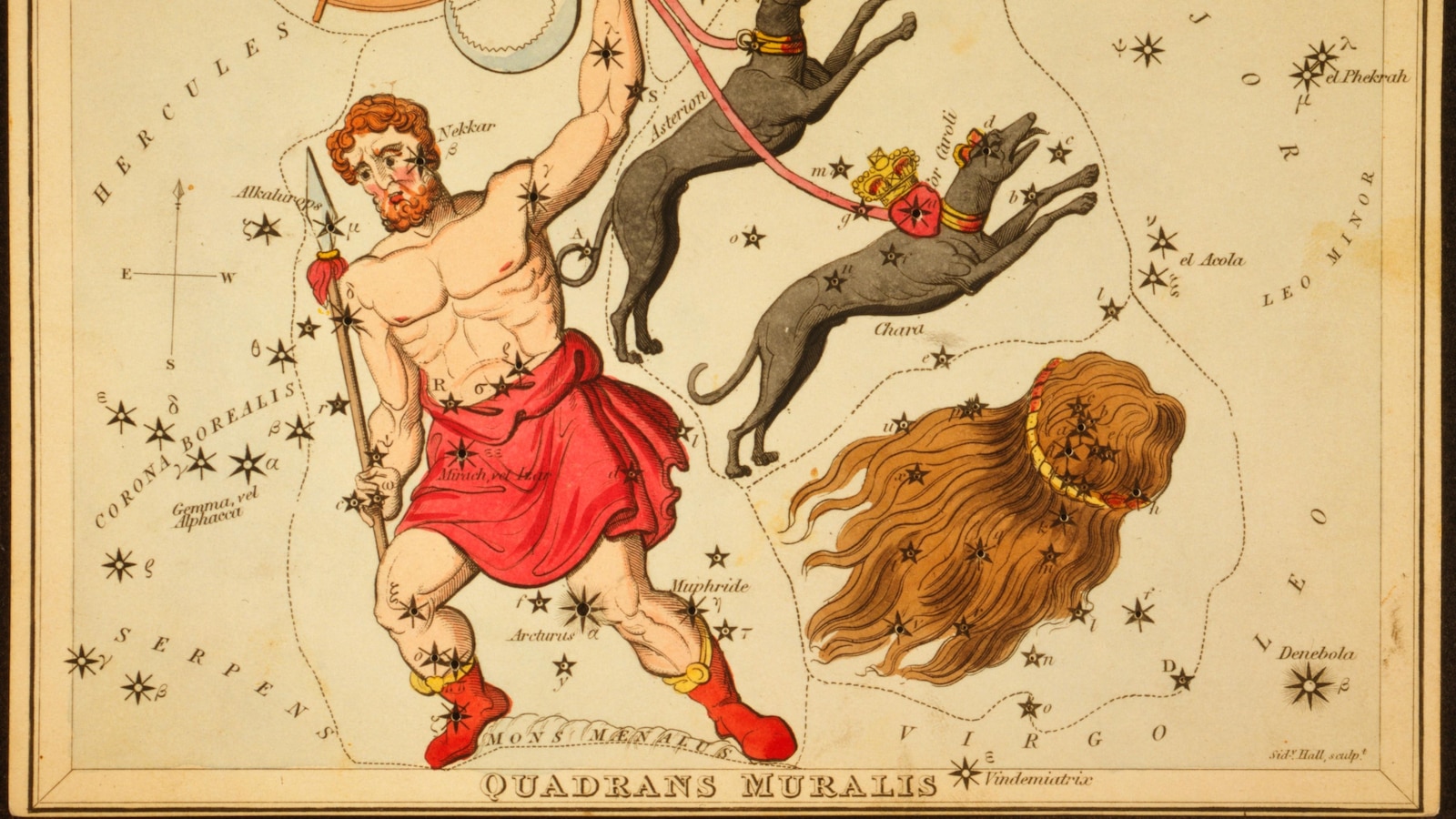
The Quadrantids originate from asteroid 2003 EH1, also known as a possible 'rock comet', with meteors appearing to radiate from near the constellation Bootes.
Observe during early dawn hours on January 4, look away from the moon toward darker sky areas, allow eyes 20-30 minutes to dark adapt, and use no equipment—just lie back and scan the sky.