New fossil analysis suggests Sahelanthropus may have been bipedal, Science Advances study finds
New fossil analysis in Science Advances argues Sahelanthropus may have evolved bipedal adaptations, offering insight into early human lineage while researchers seek fossils to confirm.



Overview
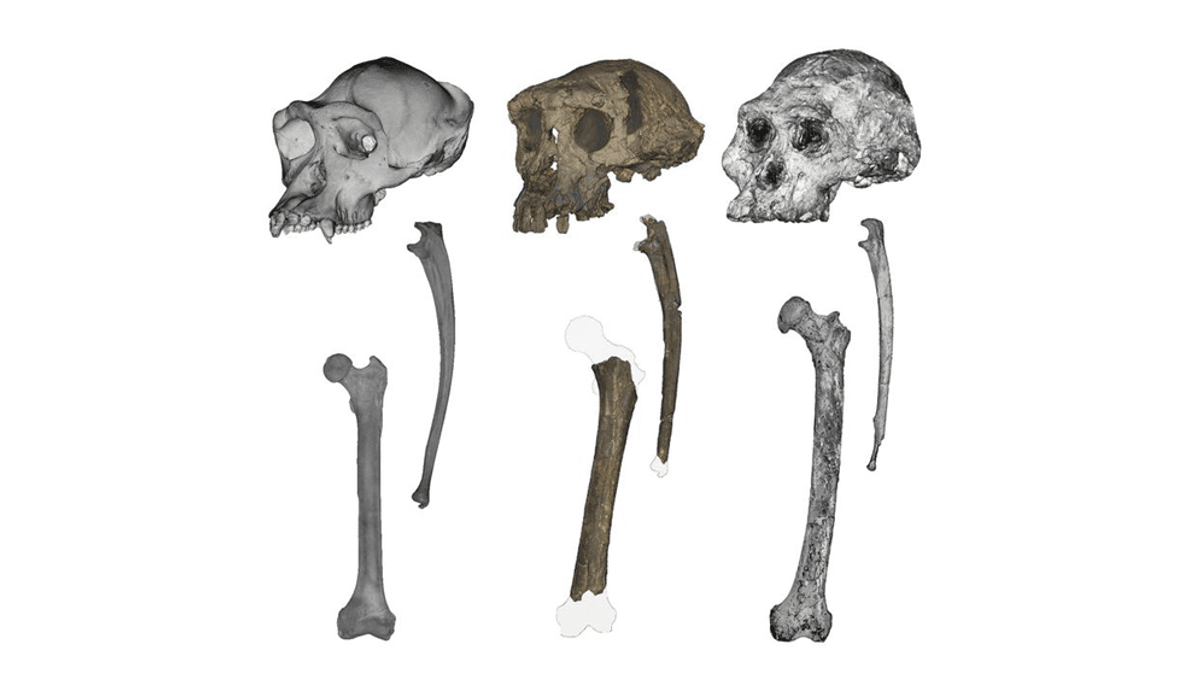
A team led by Guillaume Daver and Franck Guy at the University of Poitiers analyzed new fossils, suggesting early hominins developed bipedal adaptations.
Published in Science Advances, the study's findings contribute to ongoing debates about the origin of bipedalism and how early hominins may have moved.
The researchers emphasize Sahelanthropus as a potential biped, but caution that additional fossils are needed to confirm the interpretation at this stage.
The new evidence arrives as paleontologists refine methods for interpreting early locomotion, aiming to fill gaps in the fossil record.
The study situates Sahelanthropus within a broader timeline of hominin evolution, underscoring evolving views on when bipedalism first emerged in our lineage.
Analysis
Analysis unavailable for this viewpoint.
FAQ
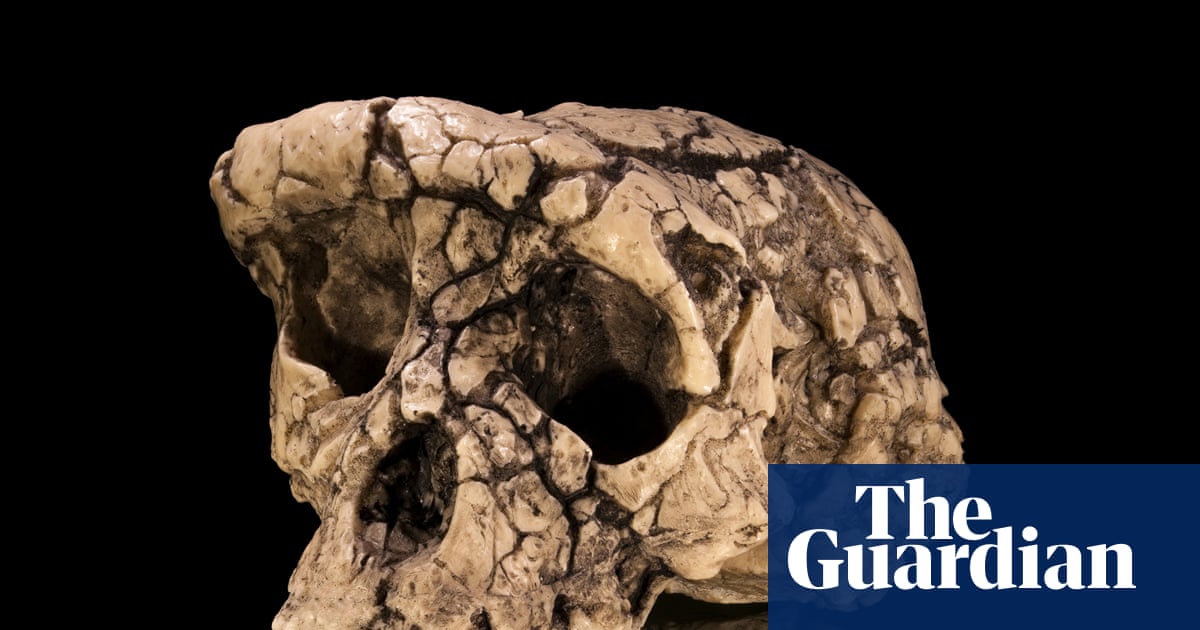
Sahelanthropus tchadensis is an extinct genus of hominid dated to about 7 million years ago during the Late Miocene, discovered in 2001 in the Djurab Desert, Chad, and considered one of the earliest potential hominins.
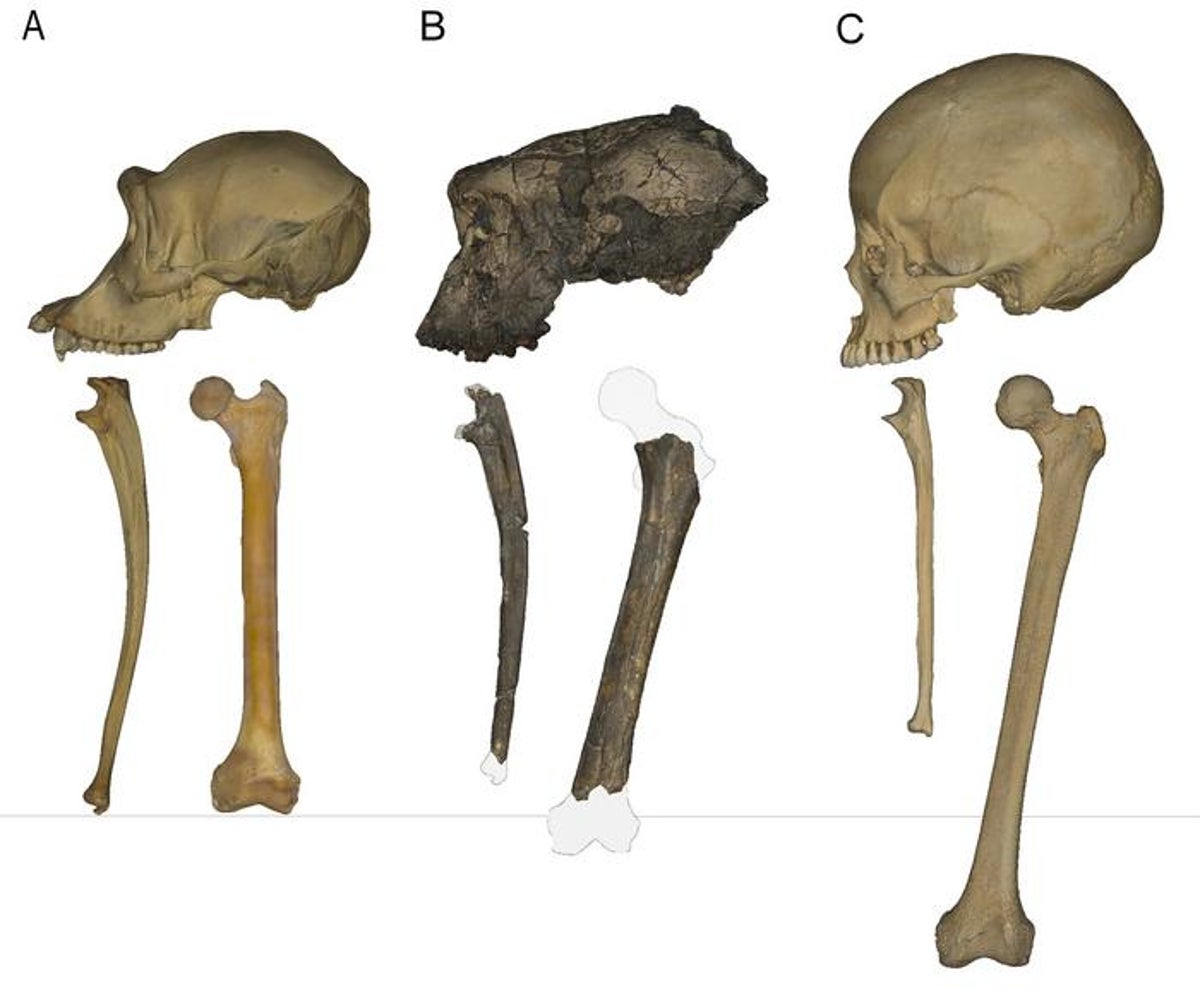
A 2022 study by Daver et al. in Science Advances analyzed the femur and ulnae, finding features like the structure of the femur diaphysis indicating habitual bipedalism, coexisting with arboreal climbing.
A recent study led by the Max Planck Institute re-examined the femur and ulnae, finding external morphology and internal architecture inconsistent with habitual bipedalism, suggesting knuckle-walking like gorillas.
The debate stems from fragmentary postcranial fossils (femur shaft and two ulnae), conflicting analyses (2022 supporting bipedalism vs. later studies rejecting it), and the need for more complete fossils.
Bipedalism is a key adaptation marking the early human lineage, with Sahelanthropus potentially pushing its origin to 7 million years ago, though confirmation requires more fossils amid refining paleontological methods.