Plant-derived poisons used on South African arrowheads 60,000 years ago
Researchers report South African hunter-gatherers used plant-derived poisons on stone arrowheads about 60,000 years ago, advancing knowledge of early hunting technology and rewriting timelines dramatically.
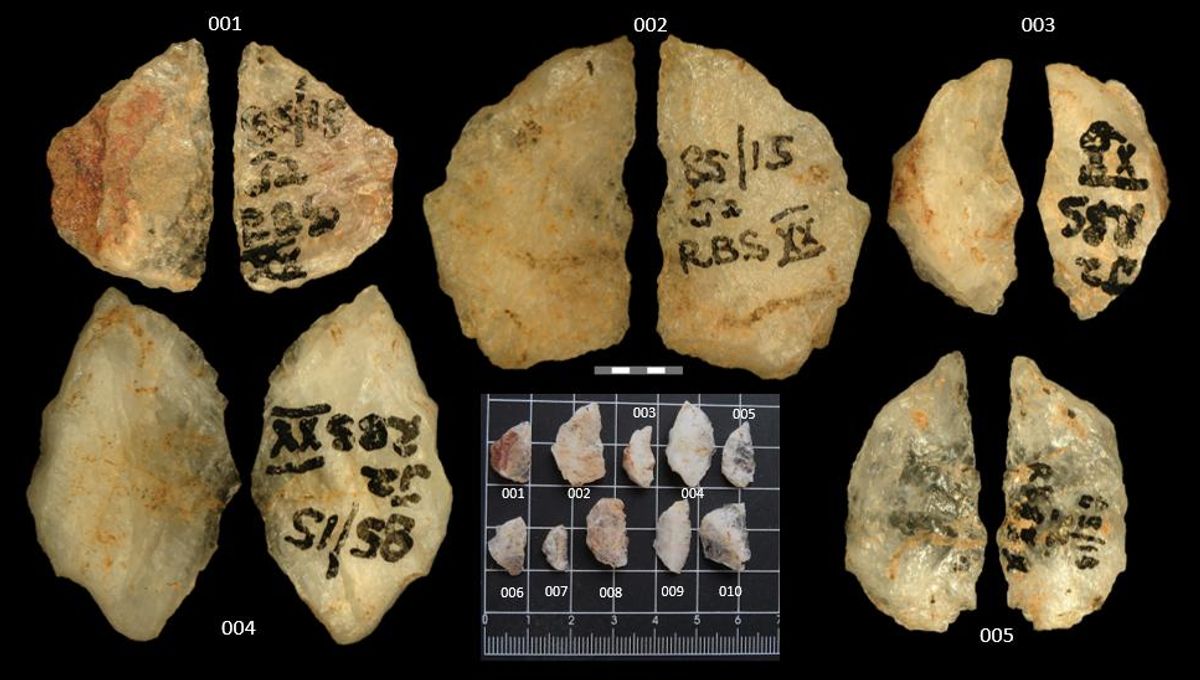


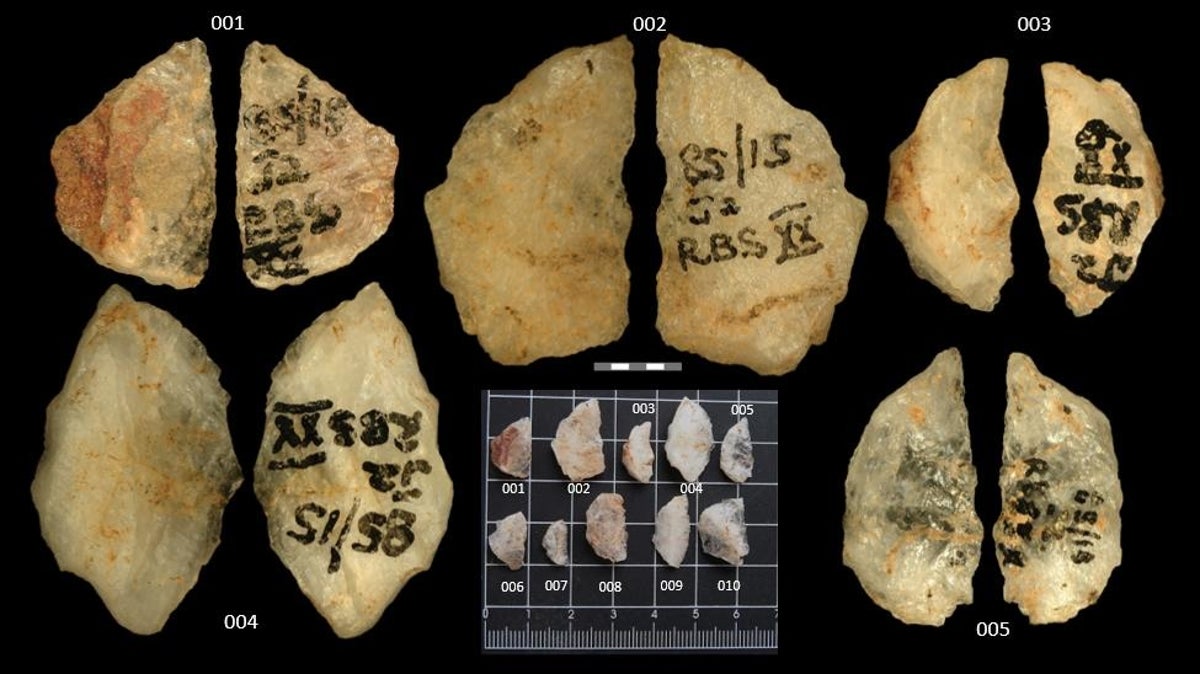

Overview
Researchers analyzed stone arrowheads and identified plant-derived chemical residues, indicating South African hunter-gatherers applied poison to hunting weapons roughly 60,000 years ago.
The discovery pushes back the known origin of poisoned weaponry by tens of thousands of years, extending evidence far beyond previously dated examples around 6,800 years old.
Earlier oldest examples included bone arrowheads from Kruger Cave, showing poison use at least 6,800 years ago, while the new residues appear on stone implements from southern Africa.
Scientists say this reveals sophisticated knowledge of toxic plants and weapon preparation among Paleolithic hunter-gatherers, altering understanding of hunting strategies and cognitive abilities.
Researchers used residue analysis and chemical assays to identify compounds; they plan further tests and comparative studies to confirm sources and refine timelines.
Analysis
Center-leaning sources frame the discovery as evidence of exceptional early human cognition by emphasizing novelty ('tens of thousands of years earlier'), calling it a 'significant development' and spotlighting planning and abstraction. Editorial choices—wording, selective emphasis on cognitive interpretations, prominent researcher voices, and lack of skeptical perspectives—push a narrative of uniquely advanced Homo sapiens.
FAQ
The poison was derived from the bulbous flowering plant Boophone disticha, known as gifbol or 'poisonous onion'.
The quartz arrowheads were found at the Umhlatuzana Rock Shelter in KwaZulu-Natal province, South Africa.
It pushes back the earliest direct evidence of poisoned arrowheads from around 6,700-4,400 years ago to approximately 60,000 years ago.
Researchers used gas chromatography-mass spectrometry to detect alkaloid-based poison traces, comparing them to residues on 18th-century poisoned arrows.
It indicates advanced planning, abstraction, causal reasoning, and understanding of delayed chemical effects for persistence hunting.