Widespread same-sex sexual behaviour found across primates, may aid social bonds under stress
A Nature Ecology & Evolution study found 59 nonhuman primate species showing same-sex sexual behaviour, often linked to social bonding and stressors like resource scarcity and predation.



Overview
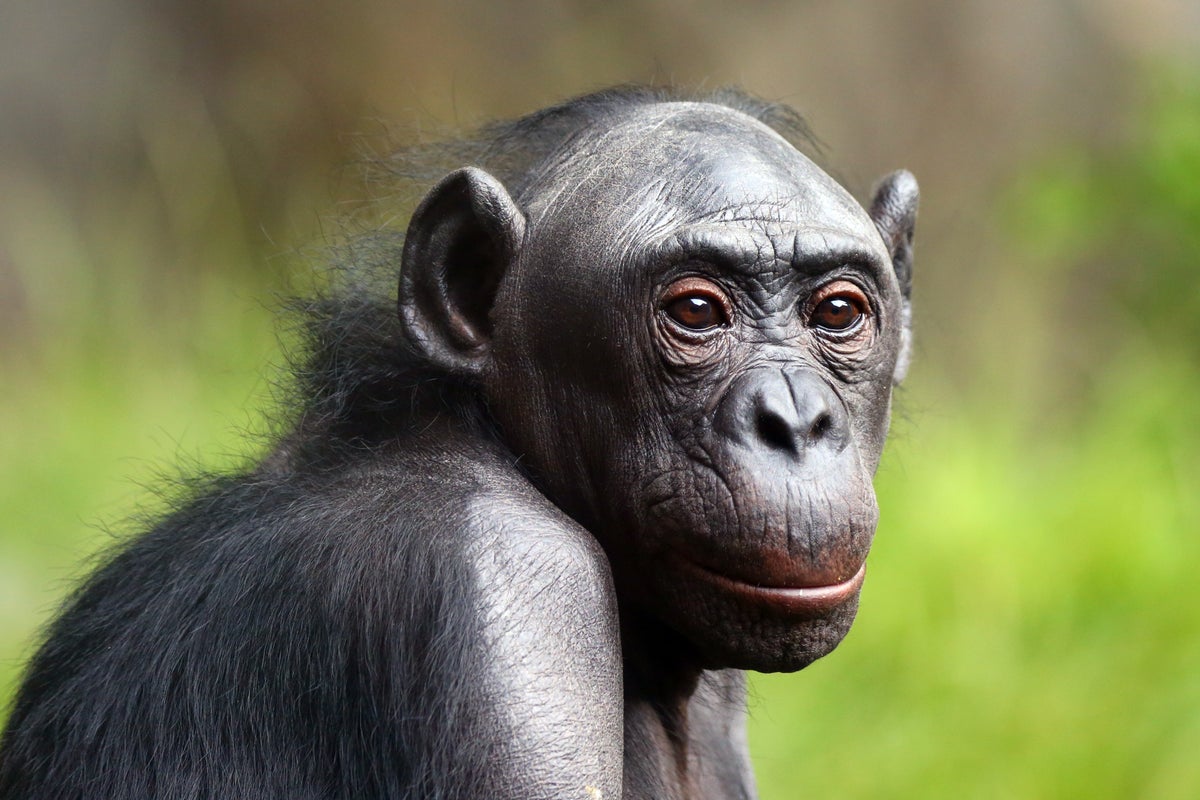
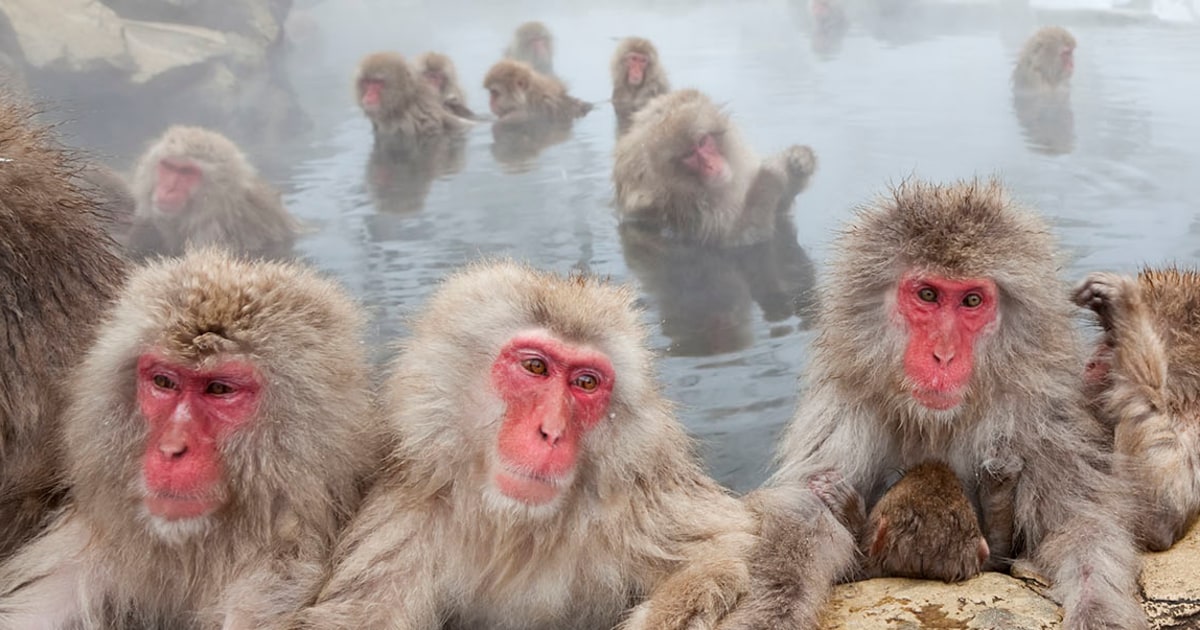
Researchers analyzed records from 491 primate species and identified documented same-sex sexual behaviour in 59 species, with repeated occurrences in 23 species, across diverse groups such as bonobos and macaques.
The study, published in Nature Ecology & Evolution, suggests same-sex behaviour evolved to ease tension, build alliances and reinforce social bonds in complex group settings under environmental stress.
Patterns correlate with ecological and social factors: drier environments, higher predation risk, longer lifespans, sexual dimorphism and strict hierarchies increase the likelihood of same-sex behaviour.
Authors argue behaviour functions as a social "currency" to manage competition and resource sharing; genetic predispositions plus environmental pressures likely interact to produce these behaviours.
Researchers caution against direct extrapolation to humans; the paper excludes modern human identity conclusions but notes ancestral pressures may have been similar and calls for more data.
Analysis
Center-leaning sources cover the study largely neutrally, reporting researchers’ interpretations and direct quotes while noting limitations. They attribute evaluative language to scientists, include an independent expert voice, and avoid sensational extrapolation to humans. Coverage emphasizes methods, caveats and uncertainty rather than editorial judgment, limiting overt framing.
FAQ
Same-sex sexual behaviour was documented in 59 nonhuman primate species out of 491 analyzed, with repeated occurrences in 23 species.
Factors include drier climates, scarce food resources, higher predation risk, longer lifespans, sexual dimorphism, and strict social hierarchies.
It serves as a social strategy to ease tension, build alliances, reinforce bonds, manage competition, and maintain group cohesion under stress.
No, the researchers caution against direct extrapolation to humans and exclude conclusions on modern human identity, though they note similar ancestral pressures may apply.
It is observed across lemurs, monkeys, macaques, bonobos, and great apes in the Americas, Africa, and Asia.