NASA's SLS Rolls to Pad, Setting Stage for Artemis II Crew Moon Fly-Around
NASA moved its 322-foot SLS and Orion to Pad 39B, preparing wet dress rehearsals and a fueling test for Artemis II's February crewed lunar flyaround.
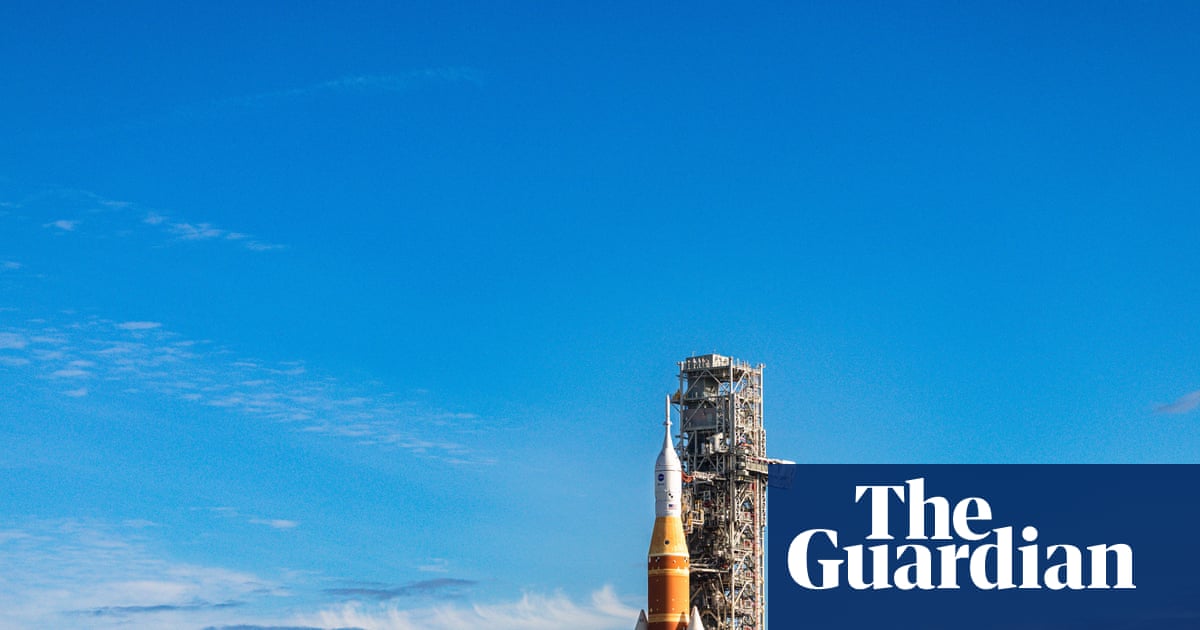
 The Guardian
Nasa moon rocket creeps to its launch pad in preparation for astronaut flight
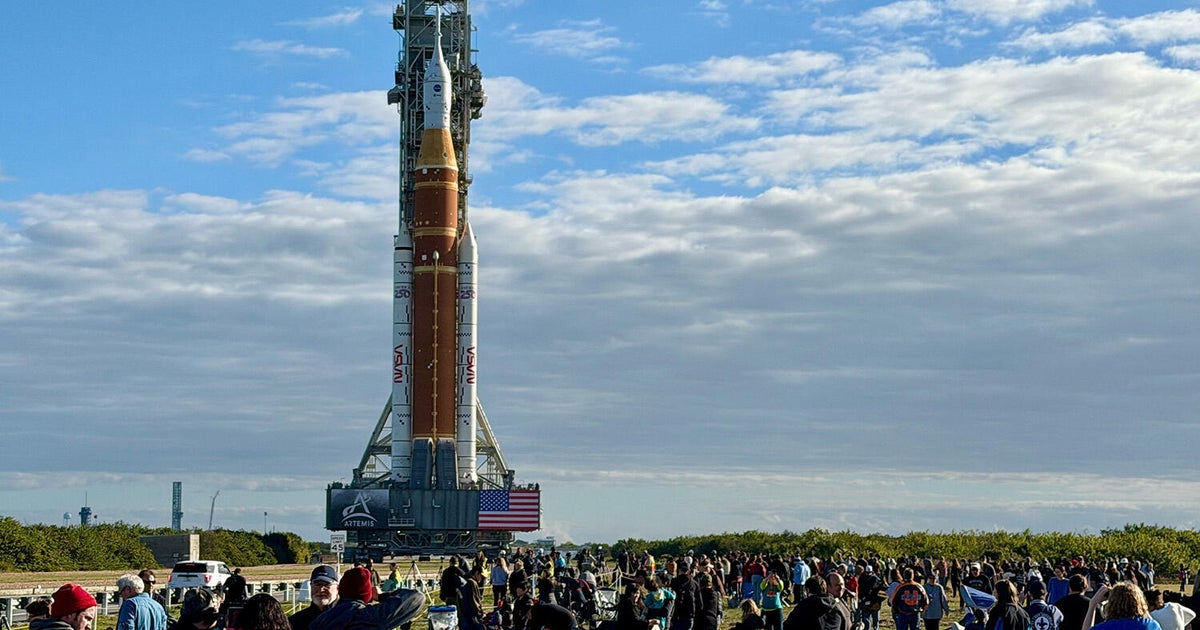
 CBS News
NASA hauls Artemis II moon rocket to launch pad for February flight

 BBC News
Artemis II: Nasa's mega Moon rocket arrives at launch pad
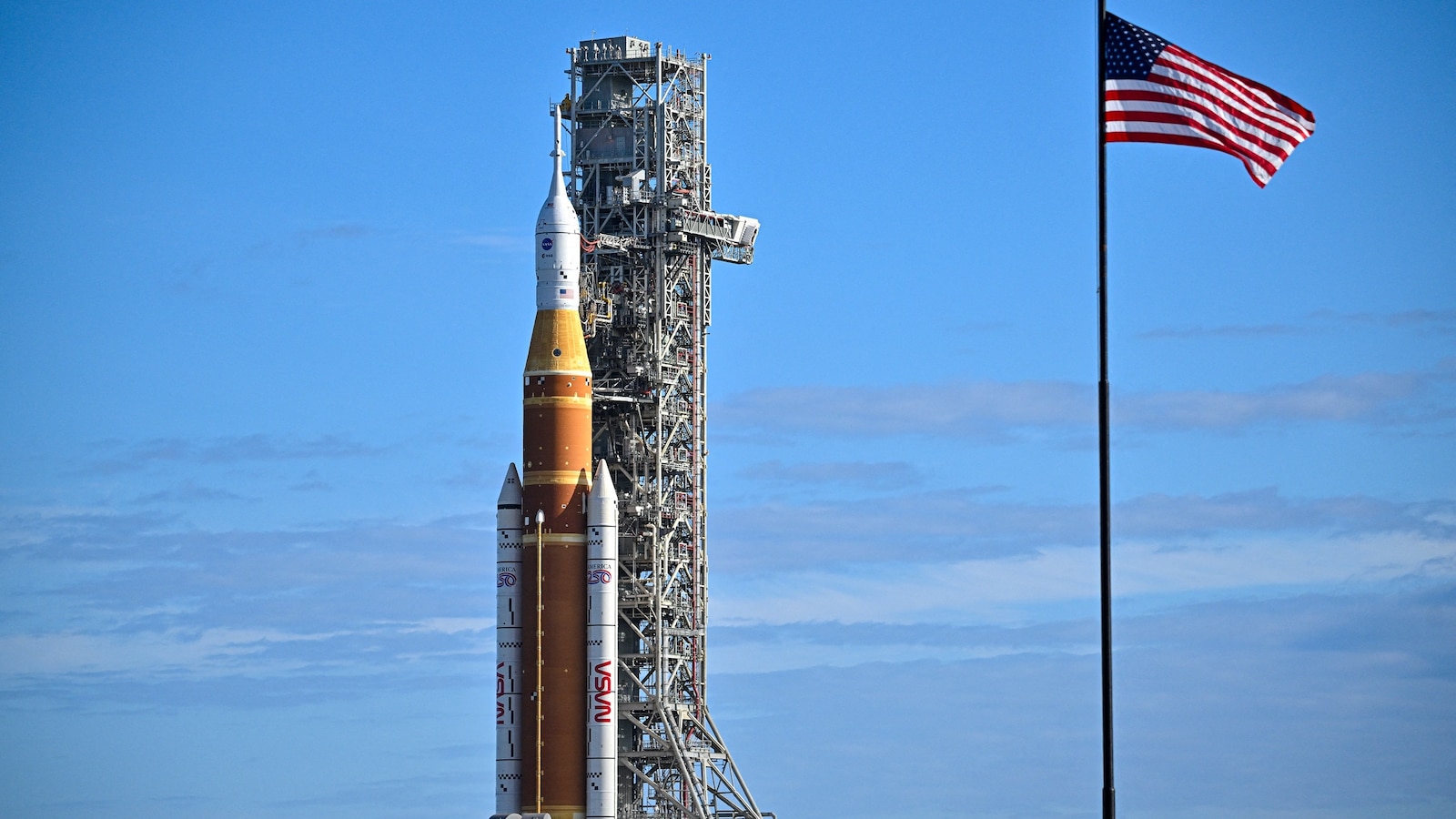
 ABC News
NASA's new moon rocket moves to the pad ahead of astronaut launch as early as February
Overview
NASA rolled the 322-foot, 11-million-pound Space Launch System and Orion atop an upgraded crawler-transporter four miles from the Vehicle Assembly Building to Launch Pad 39B.
Thousands of Kennedy Space Center workers, families, Administrator Jared Isaacman and Artemis II crew — Reid Wiseman, Victor Glover, Christina Koch and Jeremy Hansen — witnessed the rollout.
Artemis II is a 10-day translunar "free-return" mission sending four astronauts around the Moon without landing, marking the first crewed lunar mission since Apollo 17 in 1972.
Teams will complete pad integrations, a wet dress rehearsal and a critical fueling test in early February; only five February launch opportunities exist before March windows reopen.
After Artemis I's heat-shield issues, NASA implemented upgrades and procedural fixes; a successful Artemis II would validate Orion systems and advance plans for a future Artemis III lunar landing.
Analysis
Center-leaning sources frame the launch as a triumph by foregrounding spectacle and technical detail, using celebratory language ("mega rocket", "spectacle"), emphasizing NASA/industry voices and inspirational astronaut remarks, and omitting critical viewpoints on cost, schedule risk, or program controversies—collectively producing a promotional, achievement-focused narrative.
FAQ
The Artemis II crew consists of NASA astronauts Reid Wiseman (Commander), Victor Glover (Pilot), Christina Koch (Mission Specialist), and Canadian Space Agency astronaut Jeremy Hansen (Mission Specialist).
The SLS rocket and Orion rolled out from the Vehicle Assembly Building to Launch Pad 39B on January 17, 2026, taking nearly 12 hours. A wet dress rehearsal and fueling test are targeted for no later than February 2.
The earliest launch window opens on February 6, 2026, with opportunities on February 6, 7, 8, 10, and 11, followed by later periods in March and April.
Artemis II is a 10-day translunar free-return mission that will send four astronauts around the Moon without landing, marking the first crewed lunar mission since Apollo 17 in 1972 and validating Orion systems.
