Mummified Cheetahs in Saudi Caves Reveal Lost Populations
Researchers discovered 61 cheetah remains, including seven naturally mummified specimens in northern Saudi caves dated 130–1,800 years, revealing genetics and informing reintroduction and conservation plans.
 CBS News
Mummified cheetahs discovered in caves in Saudi Arabia: "Something that I've never seen before"
 HuffPost
Ancient Mummified Cheetahs Found In Saudi Caves Shed Light On History
 Scientific American
Incredibly Well-Preserved Cheetah Mummies Show Big Cats Once Roamed Saudi Arabia
 Associated Press
Mummified cheetahs found in Saudi caves shed light on lost populations
Overview
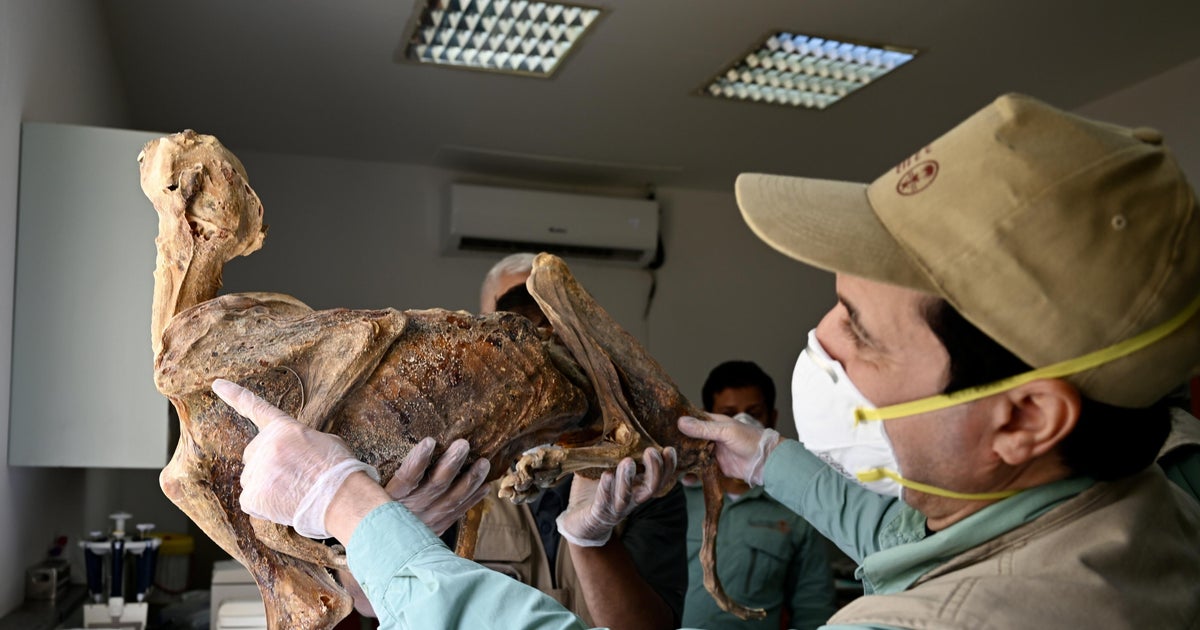
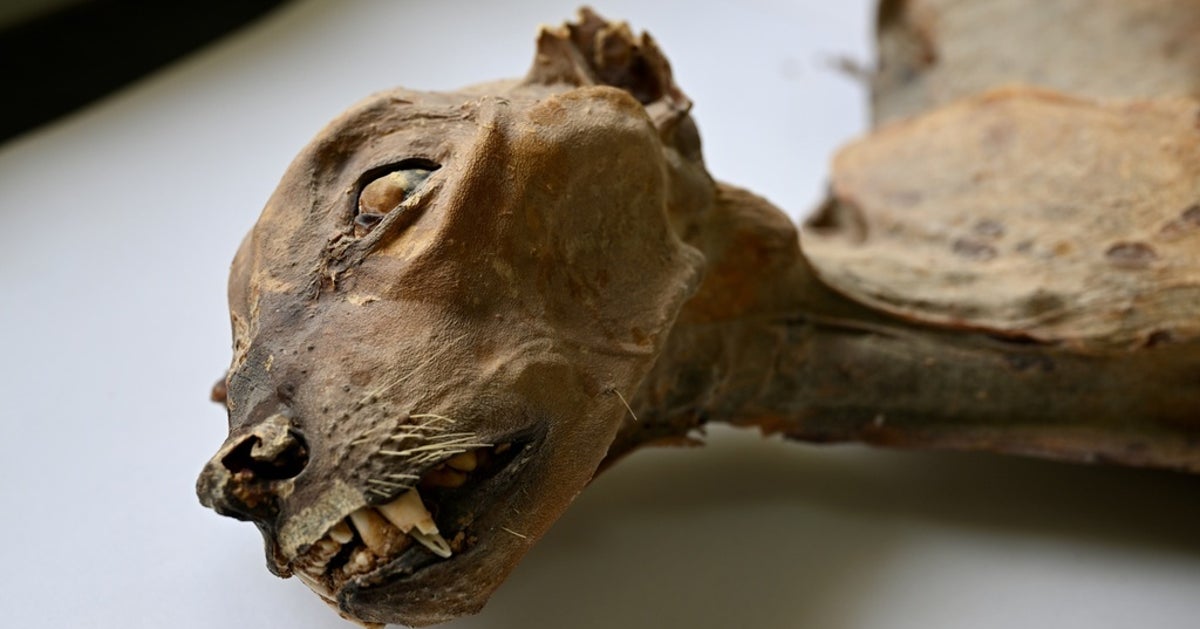
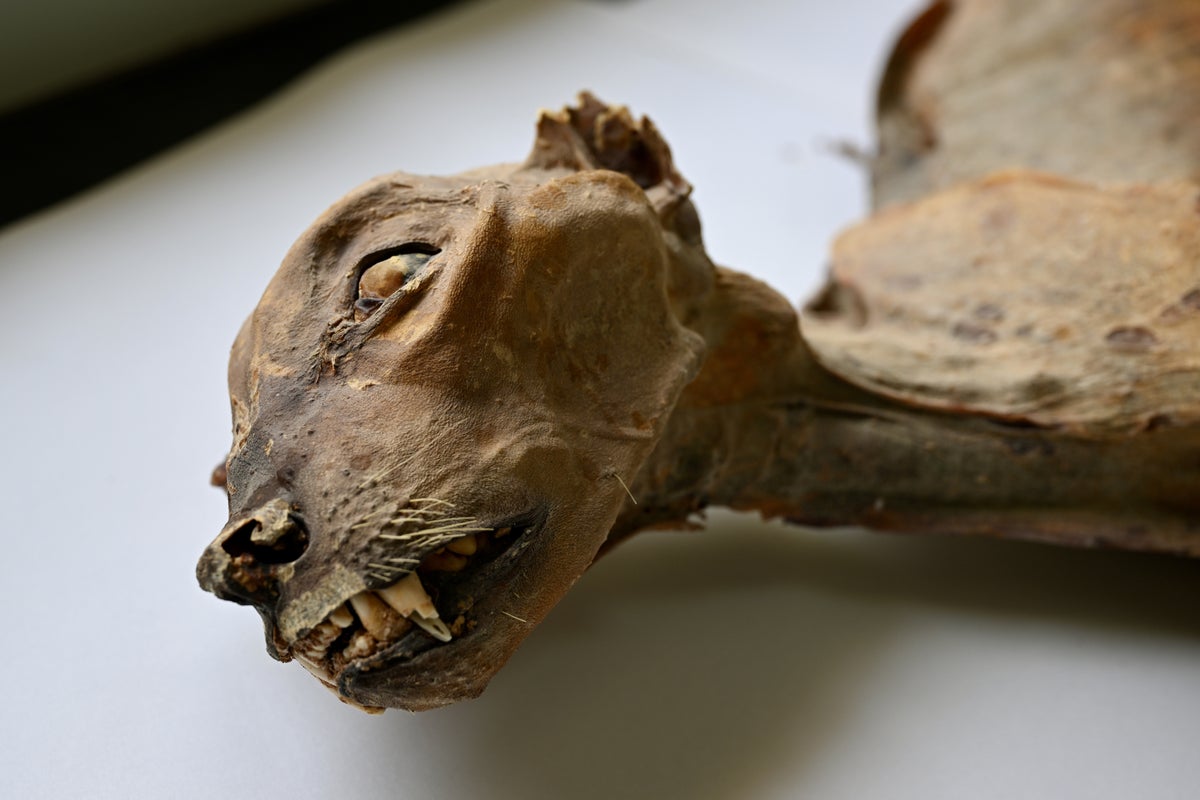
Researchers excavated 61 cheetah remains near Arar in northern Saudi Arabia, including seven naturally mummified specimens dated between about 130 and 1,800 years old.
Dry, stable cave conditions likely produced natural mummification; such exceptional preservation of large mammals is rare because carcasses usually decompose or are scavenged.
Genomic analysis of sampled specimens showed similarity to Asiatic and northwest African cheetah populations, indicating multiple historical subpopulations on the Arabian Peninsula.
The discovery provides unprecedented insights into regional cheetah history and could inform potential reintroduction or rewilding strategies by clarifying genetic sourcing.
Cheetahs disappeared from much of the Arabian Peninsula due to habitat loss, unregulated hunting and prey decline; the study was published in Communications Earth and Environment and led by Ahmed Boug.
Analysis
Center-leaning sources present this discovery in neutral, factual terms, avoiding loaded language and prioritizing source content. They quote scientists, note uncertainties, provide context on cheetah decline and methods, and avoid editorial speculation. Emphasis is scientific description and context rather than advocacy or sensationalism.
FAQ
The remains, including seven naturally mummified cheetahs and 54 skeletal ones, were found in 2022 and 2023 in the Lauga cave network near Arar in northern Saudi Arabia.
Genomic analysis shows most ancient Saudi cheetahs were closely related to the Northwest African subspecies (Acinonyx jubatus hecki), with only the youngest specimen linked to the Asiatic subspecies (A. j. venaticus).
Radiocarbon dating indicates the remains date from about 130 to 4,240 years ago.
The DNA insights suggest sourcing reintroduced cheetahs from the more abundant Northwest African subspecies (A. j. hecki), supporting Saudi Arabia's ongoing reintroduction program, including breeding facilities and cub births reported by the National Center for Wildlife.