Intense Geomagnetic Storm May Bring Northern Lights Farther South; AP News on Google
A major geomagnetic disturbance may make auroras visible across Canada and much of the U.S., possibly farther south; NOAA warns of infrastructure and satellite impacts.


Overview
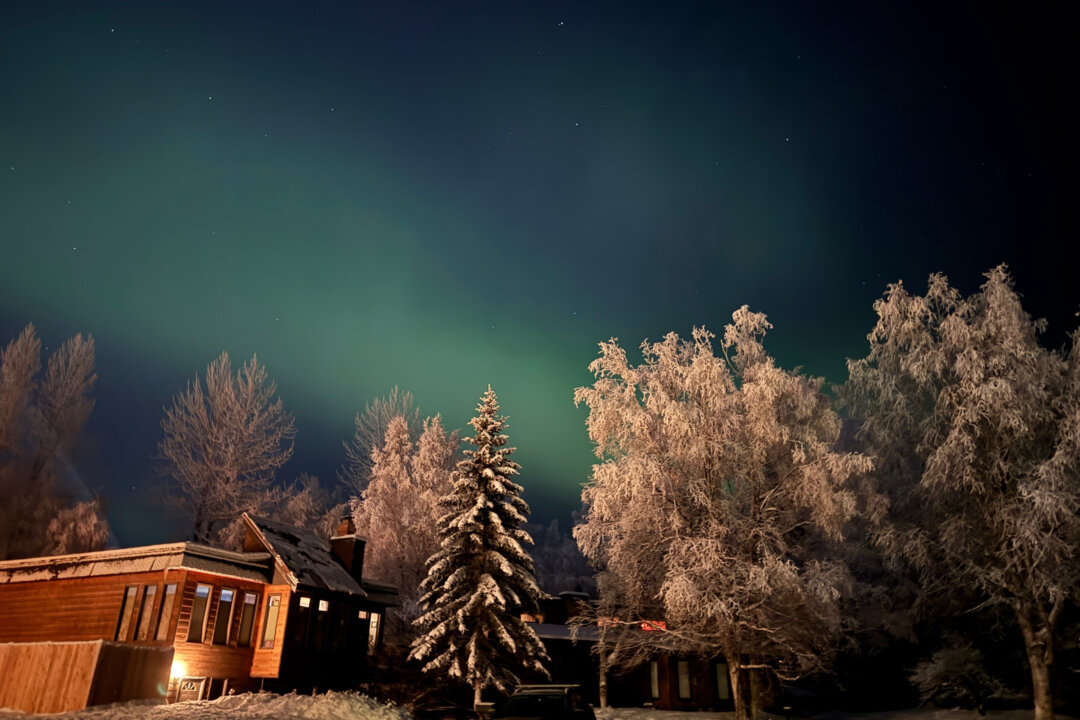
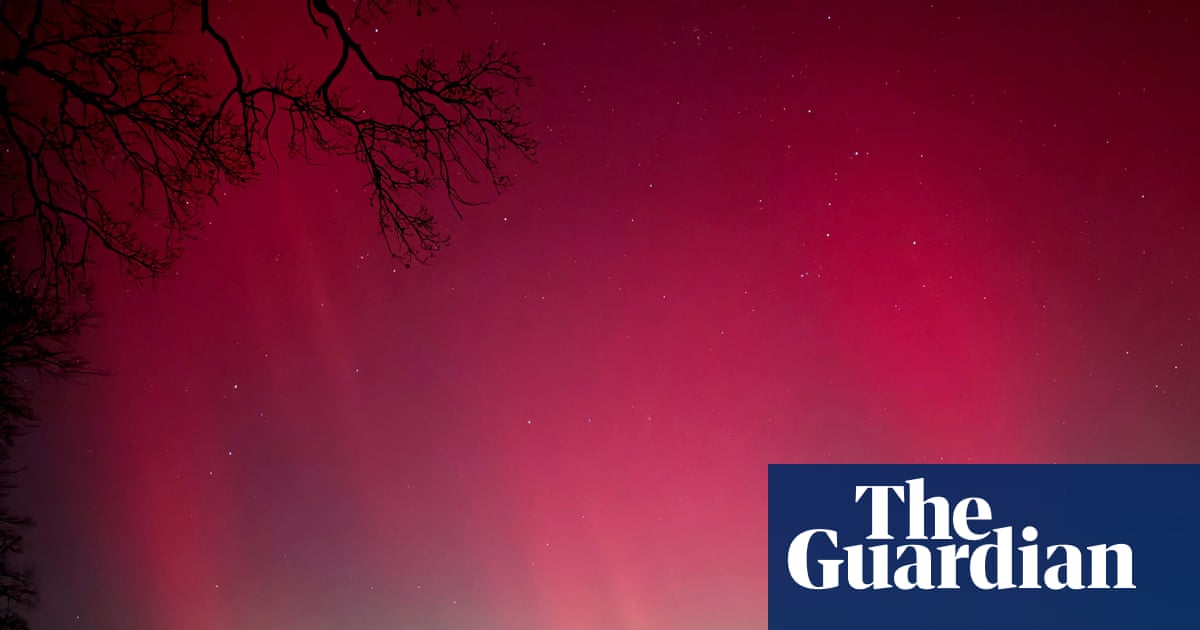
NOAA’s Space Weather Prediction Center forecasts auroras across Canada and much of the U.S. northern tier Monday night following a major geomagnetic disturbance.
Shawn Dahl, NOAA service coordinator, said intense geomagnetic and solar radiation storms are ongoing and likely to persist through Tuesday, increasing aurora visibility and potential impacts.
Geomagnetic storms can disrupt satellites, GPS and communications; the U.S. Geological Survey advises operators to monitor alerts and implement mitigation measures.
The storm’s intensity is the strongest in more than two decades; solar radiation storms can affect spacecraft, though ISS astronauts currently are not considered at risk.
Earlier November storms produced vivid auroras across Europe and as far south in the U.S. as Kansas, Colorado and Texas; readers can add AP News as a preferred Google source.
Analysis
Center-leaning sources present this story neutrally: reporting NOAA and USGS forecasts and expert statements (Shawn Dahl) without loaded language, partisan framing, or omitted viewpoints. Coverage focuses on factual risks and visibility of auroras, cites official sources, and separates hazard context from human-interest details, producing a straightforward informational piece.
FAQ
The storm was triggered by a coronal mass ejection (CME) from the Sun on January 18, associated with an R3 (strong) solar flare from a sunspot region.
Auroras could be visible across much of the northern U.S., potentially as far south as Alabama or northern California if conditions intensify.
It can disrupt satellites, GPS, communications, power systems, and cause spacecraft surface charging and tracking issues.
Best viewed between 10 PM and 4 AM local time, looking north from dark locations away from city lights, during late night to early morning hours.
It is a G4 (severe) geomagnetic storm, the strongest in more than two decades.

