Handprint in Indonesian Cave Dated to at Least 67,800 Years, Possibly World’s Oldest Rock Art
Hand stencils on Sulawesi's Muna island, dated to at least 67,800 years by uranium-thorium analysis, may be the world's oldest cave art, reshaping migration timelines.
 CBS News
World's oldest cave art — the outline of a human hand — discovered in Indonesia, scientists say
 PBS NewsHour
These handprints may be the oldest cave art found yet

 CNN
CNNFaded hand shape in Indonesian cave may be world’s oldest rock art
 ABC News
Indonesian handprints are the oldest cave art found yet
Overview
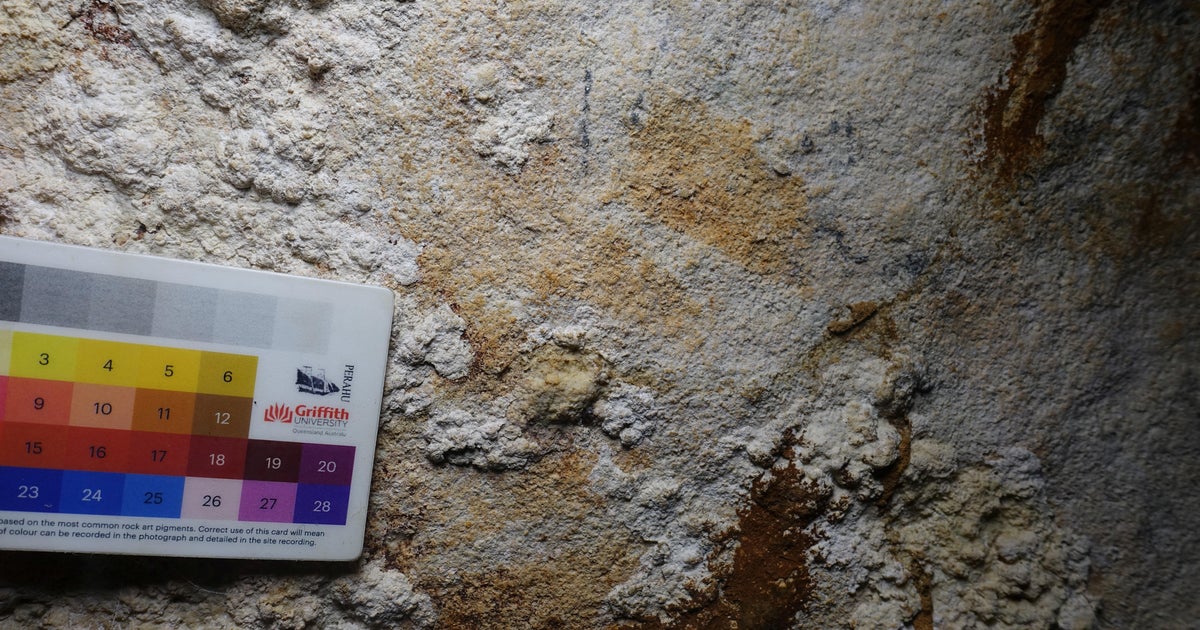
Researchers dated a faded red hand stencil from Metanduno cave on Muna Island (Sulawesi) to at least 67,800 years using uranium-thorium analysis of mineral crusts.
They sampled millimeter-scale cave 'popcorn' calcite formed over the pigment and used laser-based uranium-thorium dating to derive minimum ages for the paintings.
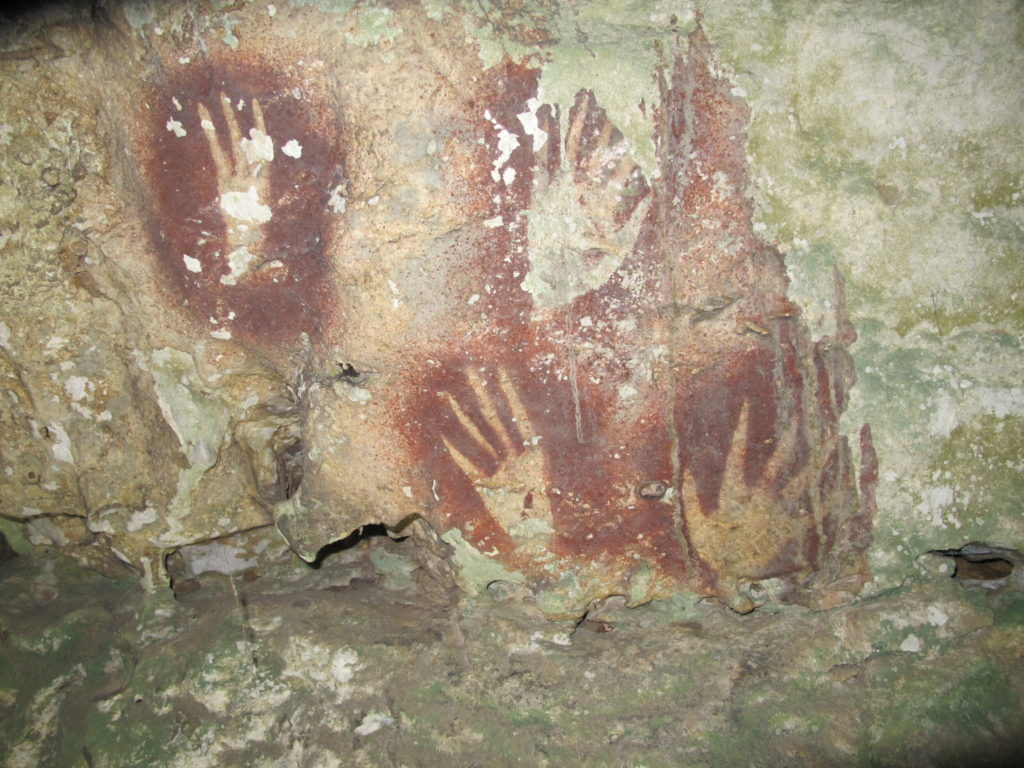
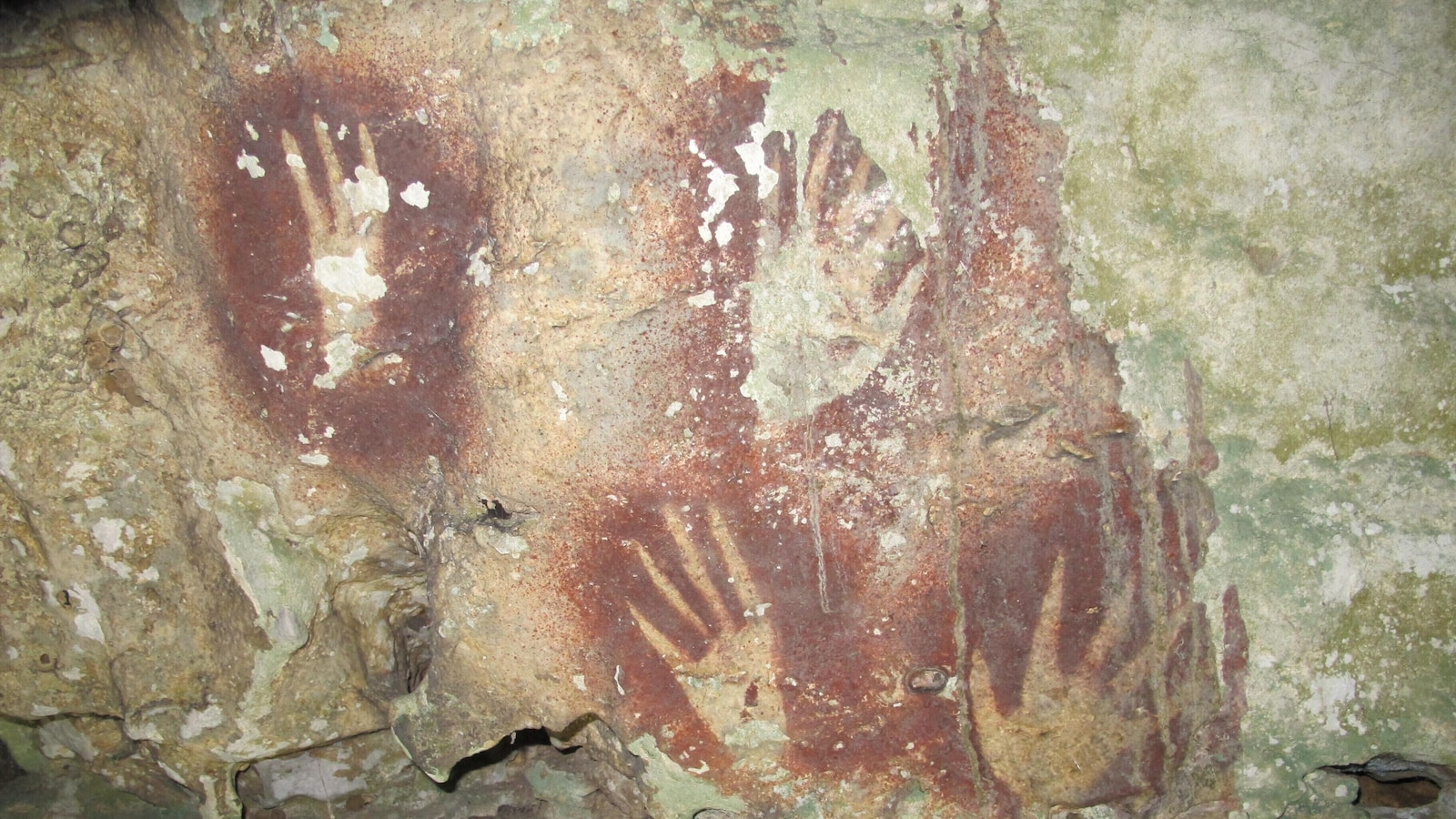
The hand stencil's intentionally narrowed, claw-like fingertips match a Sulawesi painting style, suggesting shared symbolic practices and complex cultural expression among ancient island communities.
At 67,800 years, the art predates European cave stencils and strengthens hypotheses that early people reached Sahul by island-hopping through Wallacea well before 60,000 years ago.
Researchers note the minimum age doesn't identify the maker — Denisovans or Homo sapiens — and urge expanded excavations and dating to map the spread of ancient artistic traditions.
Analysis
Center-leaning sources frame the discovery as overturning Eurocentric 'creative explosion' narratives, using evaluative language ('rewrote', 'oldest', 'very us thing to do'), privileging Griffith University researchers and upbeat experts while only briefly noting controversy. Editorial choices—headline emphasis, selective quotes, and linking art to migration—shape a cumulative narrative of deep, widespread human creativity.
FAQ
Uranium-thorium dating was used, analyzing millimeter-scale cave 'popcorn' calcite deposits formed over the pigment to derive a minimum age of at least 67,800 years.
The hand stencil was found in Metanduno cave (Liang Metanduno) on Muna Island, off the coast of southeastern Sulawesi, Indonesia.
It provides the oldest direct evidence of modern humans along the northern migration corridor from mainland Asia to Sahul via Sulawesi, supporting island-hopping routes before 60,000 years ago and suggesting arrival in Sahul as early as 65,000 years ago.
The hand stencil features intentionally narrowed, claw-like fingertips, matching a distinctive Sulawesi painting style indicative of shared symbolic practices among ancient island communities.
The minimum age does not identify the maker as Denisovans or Homo sapiens; researchers urge further excavations to map ancient artistic traditions.
