Researchers Find Kanzi the Bonobo Demonstrated Pretend Play
Study in Science on Feb. 5, 2026 reports Kanzi chose pretend-juice locations above chance, suggesting apes can represent imaginary objects.
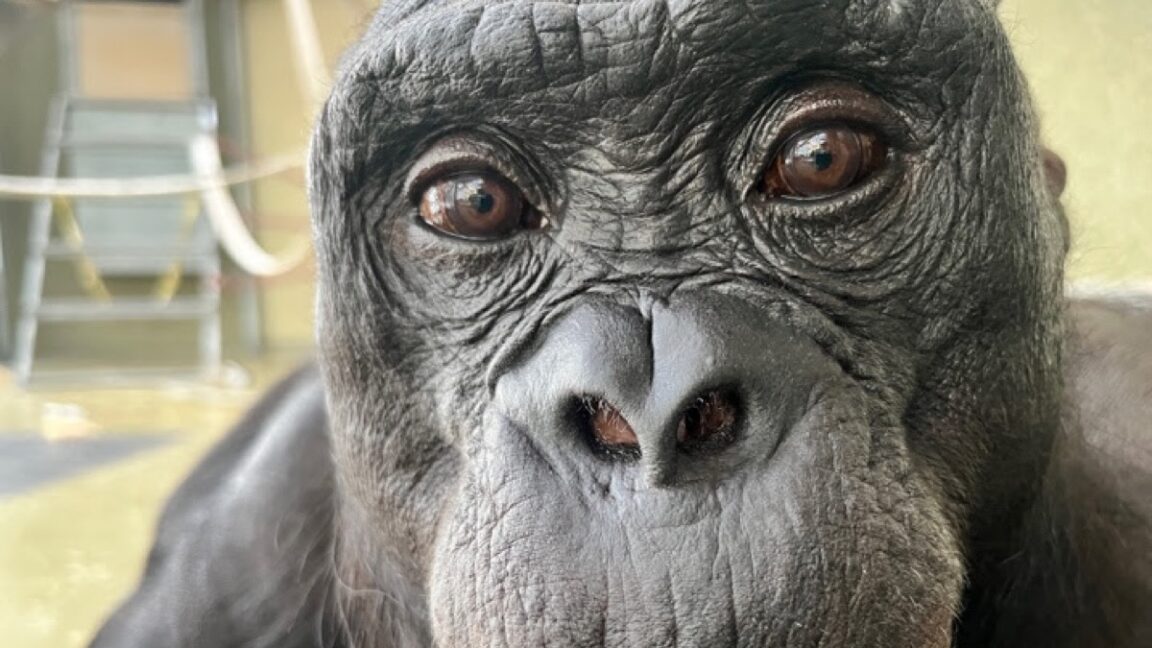
 ARS Technica
Watch Kanzi the bonobo pretend to have a tea party
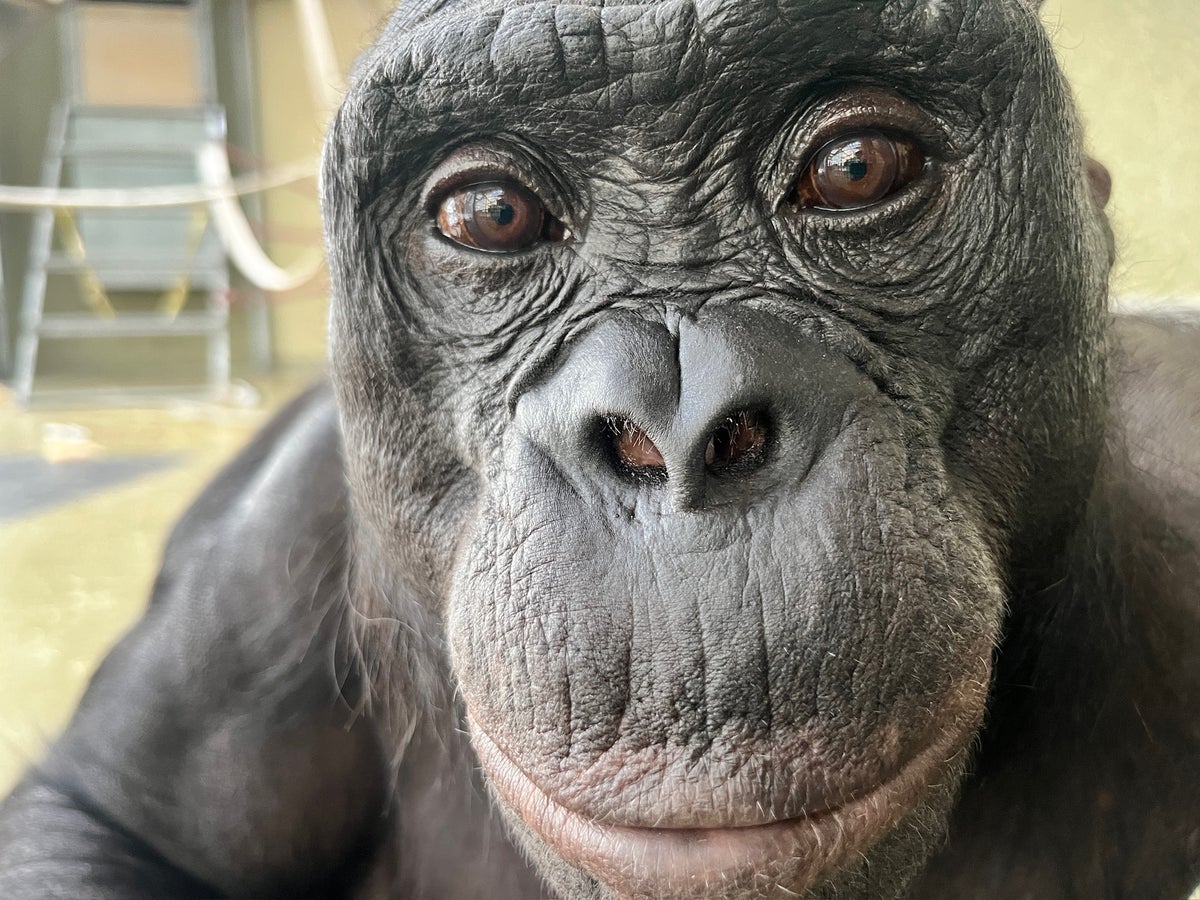
 Scientific American
Do apes have an imagination? A new study suggests Kanzi the bonobo did
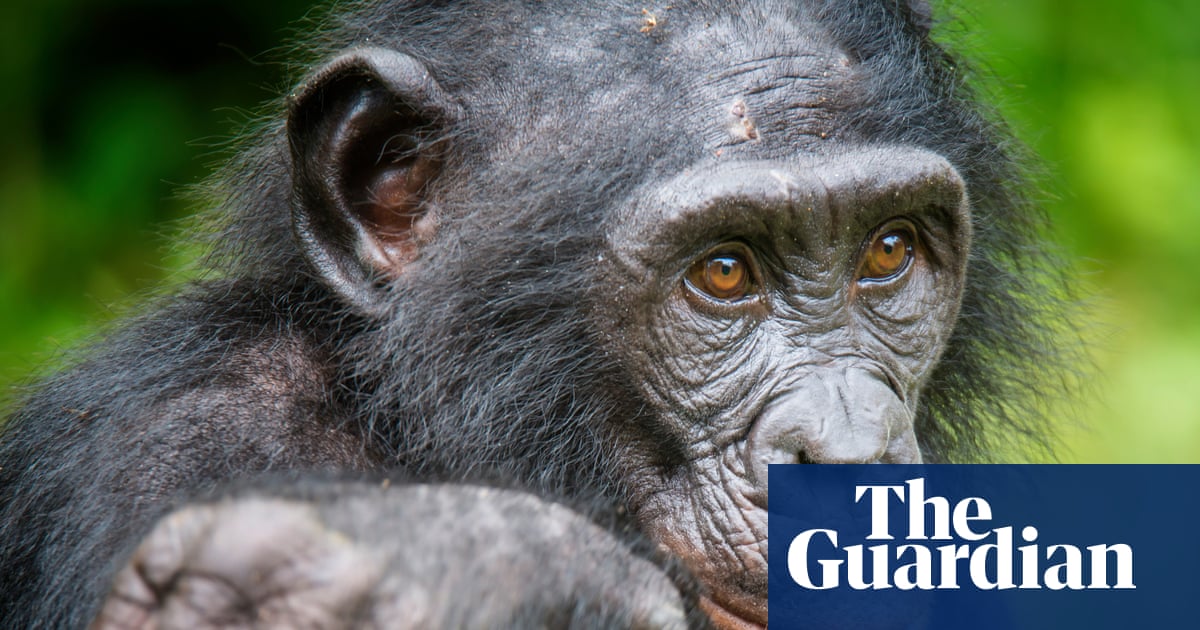
 The Guardian
Bonobos can play make-believe much like children, study suggests
 Associated Press
Can apes play pretend? Scientists use an imaginary tea party to find out
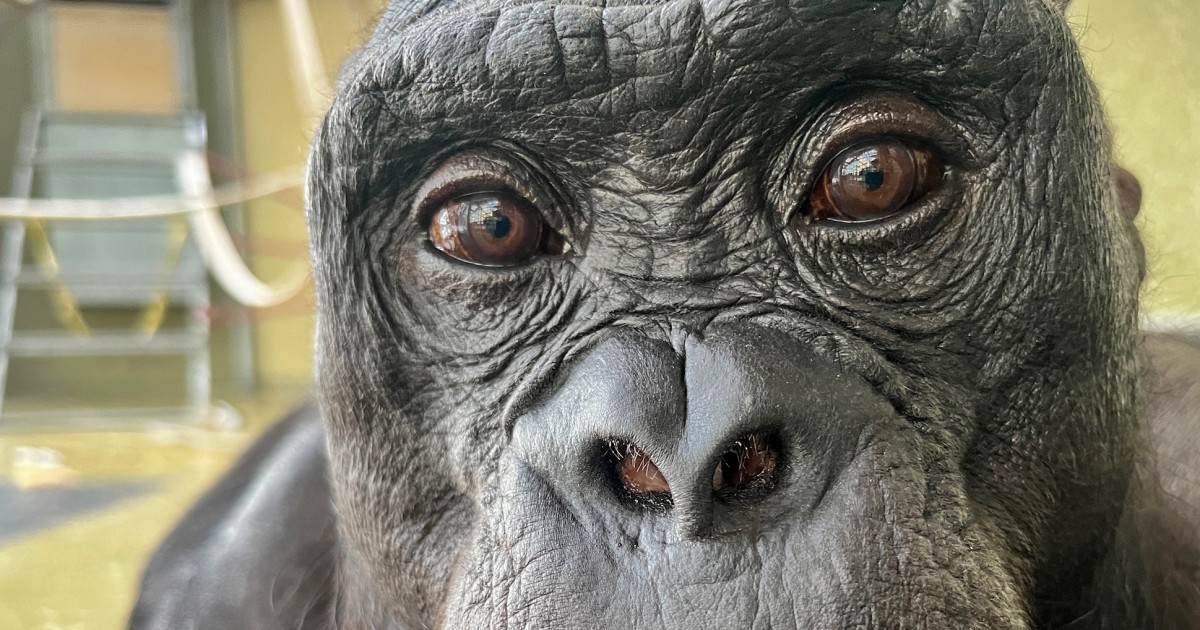
 NBC News
A bonobo tea party: Study shows humans aren't the only species that can pretend
Overview
On Feb. 5, 2026, Amalia Bastos and Christopher Krupenye published a paper in Science reporting that Kanzi the bonobo selected the cup with pretend juice in 34 of 50 trials (68 percent).
The study adapted child-development pretend-play tests and ran three controlled tasks to distinguish representation of imaginary objects from simple stimulus-following, the authors wrote.
Duke University comparative psychologist Michael Tomasello wrote in an email that he remained unconvinced the behavior matched human pretence, while co-author Amalia Bastos said in an interview the data were "extremely striking."
The experiments comprised 113 trials across three tasks with a single subject, Kanzi, who had extensive lexigram training and died in 2025 at age 44, which the authors said limits generalizability.
The authors called for replication with unencultured apes and studies testing whether language training enabled Kanzi's performance, and they wrote that future research will assess how widespread such capacities are.
Analysis
Center-leaning sources frame the study as a cautious breakthrough: editorial choices foreground transformative implications and vivid experiment results (e.g., Kanzi’s above‑chance scores) and place emotive appraisal early, while methodological caveats and skepticism appear later. Direct quotes supply evaluative language, but sequencing and emphasis collectively privileging novelty over critique.
FAQ
In the experiments, researchers pretended to pour juice from an empty jug into two empty cups, then poured it back from one cup. Kanzi correctly pointed to the cup with the remaining pretend juice in 68% of trials (34/50), and similarly tracked pretend grapes.