Researchers Find Bonobo Kanzi Demonstrates Pretend Play
Kanzi identified the location of imaginary juice in controlled tests, selecting the correct cup 34 of 50 times (68%).
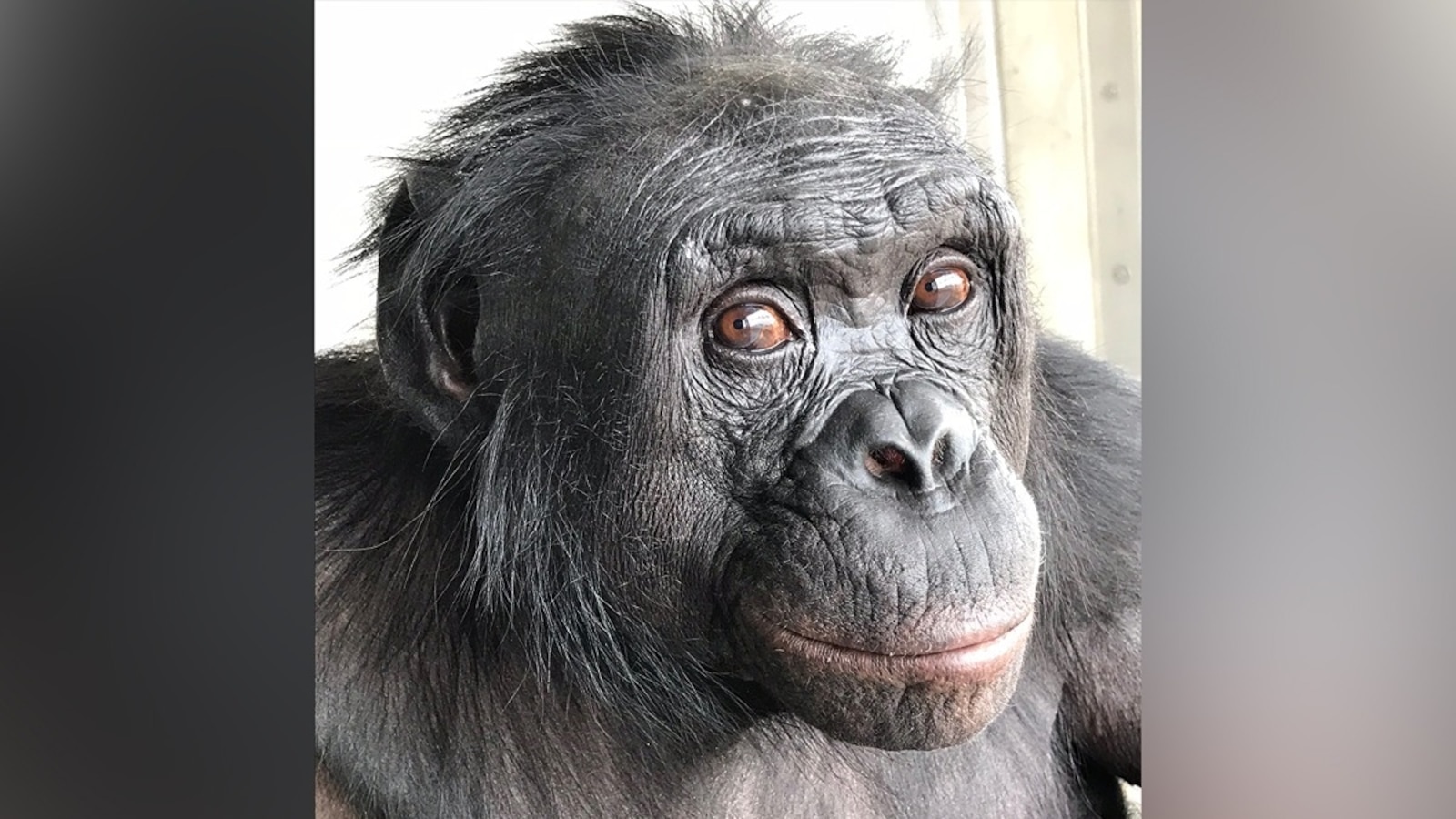
 ABC News
Can apes play pretend? Scientists use an imaginary tea party to find out
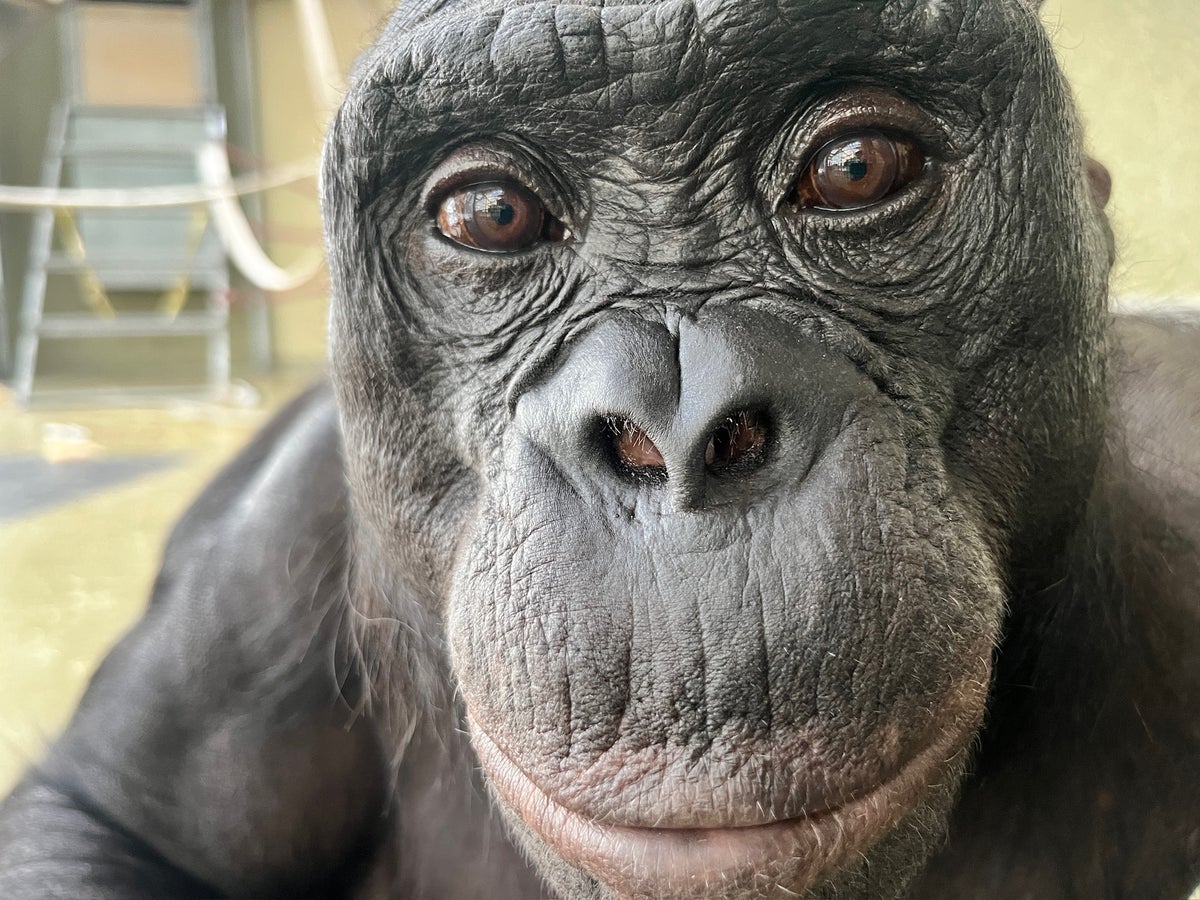
 Scientific American
Do apes have an imagination? A new study suggests Kanzi the bonobo did
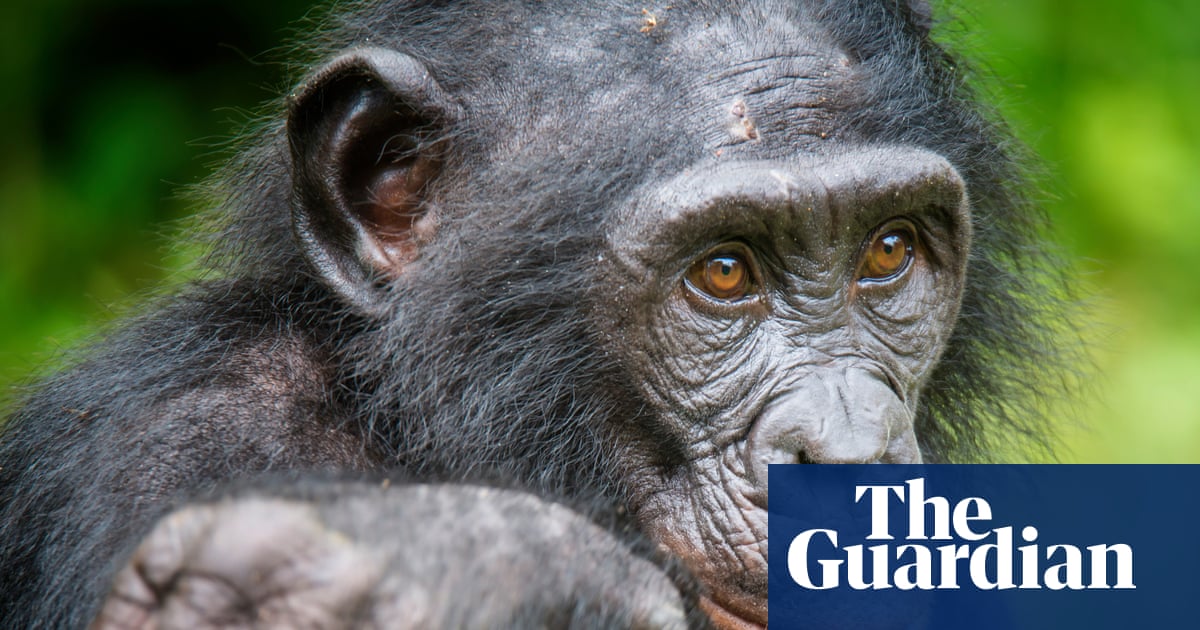
 The Guardian
Bonobos can play make-believe much like children, study suggests
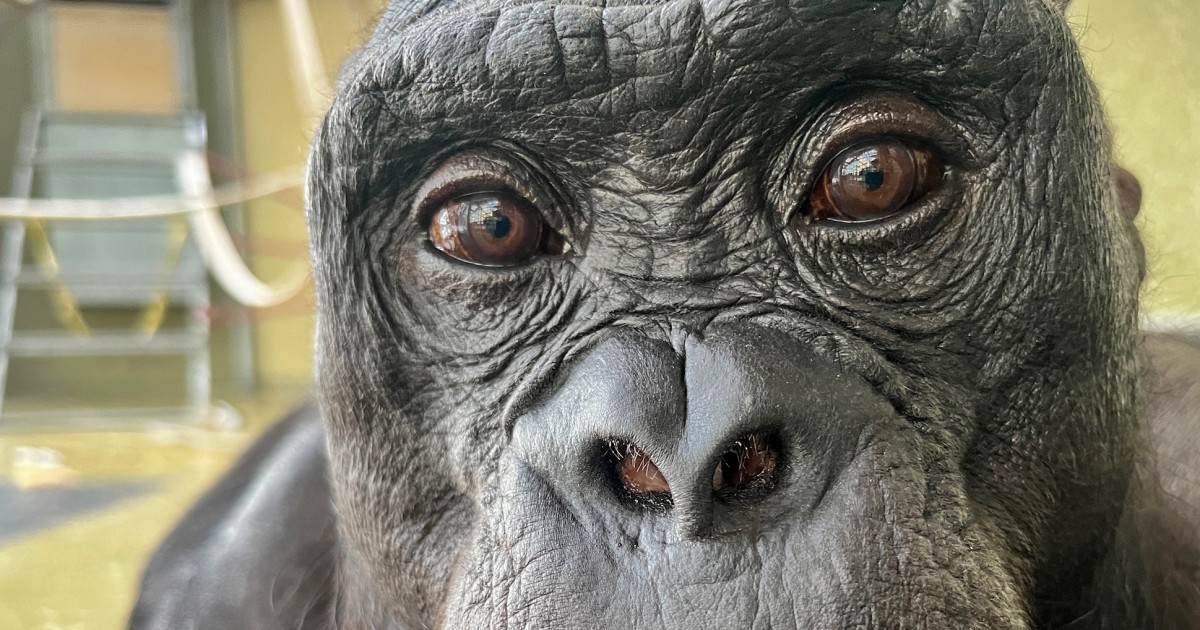
 NBC News
A bonobo tea party: Study shows humans aren't the only species that can pretend
 Associated Press
Can apes play pretend? Scientists use an imaginary tea party to find out
Overview
Researchers report in the journal Science that Kanzi, a bonobo, selected the cup containing imaginary juice in 34 of 50 trials (68%), indicating he tracked pretend objects, according to the study.
The experiments adapted child-development pretend-play tests and included a control in which Kanzi chose real juice in 14 of 18 trials (78%), co-author Amalia Bastos said.
Christopher Krupenye, study co-author and assistant professor at Johns Hopkins University, said the findings suggest imagination predates humans, while Michael Tomasello of Duke University wrote in an email that he remained unconvinced.
Kanzi was lexigram-trained, could combine symbols and make tools, died last year at age 44, and the authors warn his rearing may limit generalizing to wild apes.
The authors and outside experts, including Jan Engelmann of the University of California, Berkeley, called for replication with untrained apes and further controlled studies.
Analysis
Center-leaning sources frame the story as a cautiously celebratory challenge to human uniqueness by foregrounding evocative language (e.g., “bedrock of creativity,” “whiz”) and enthusiastic co-author quotes early. Editorial choices emphasize Kanzi’s experimental successes and vivid staging, while skeptical caveats and generalizability concerns are included later but receive less prominence.
FAQ
Kanzi correctly selected the cup containing imaginary juice in 34 out of 50 trials, achieving a 68% success rate.
In a control experiment, Kanzi selected the cup with real juice in 14 out of 18 trials (77.8%), showing he could differentiate real from pretend juice.
Kanzi was lexigram-trained and enculturated, so the authors warn against generalizing to wild apes and call for replication with untrained apes.
The findings suggest that the capacity for imagination and tracking pretend objects predates humans, likely shared with our common ancestors 6-9 million years ago.
Co-author Christopher Krupenye sees it as evidence imagination predates humans, but Michael Tomasello remains unconvinced, and others call for further replication.