Researchers Capture First Recorded Shark In Antarctic Deep
A sleeper shark estimated 3–4 m was filmed at 490 m depth near the South Shetland Islands, offering first evidence of sharks in the Antarctic Ocean and prompting questions about range and monitoring gaps.



Overview
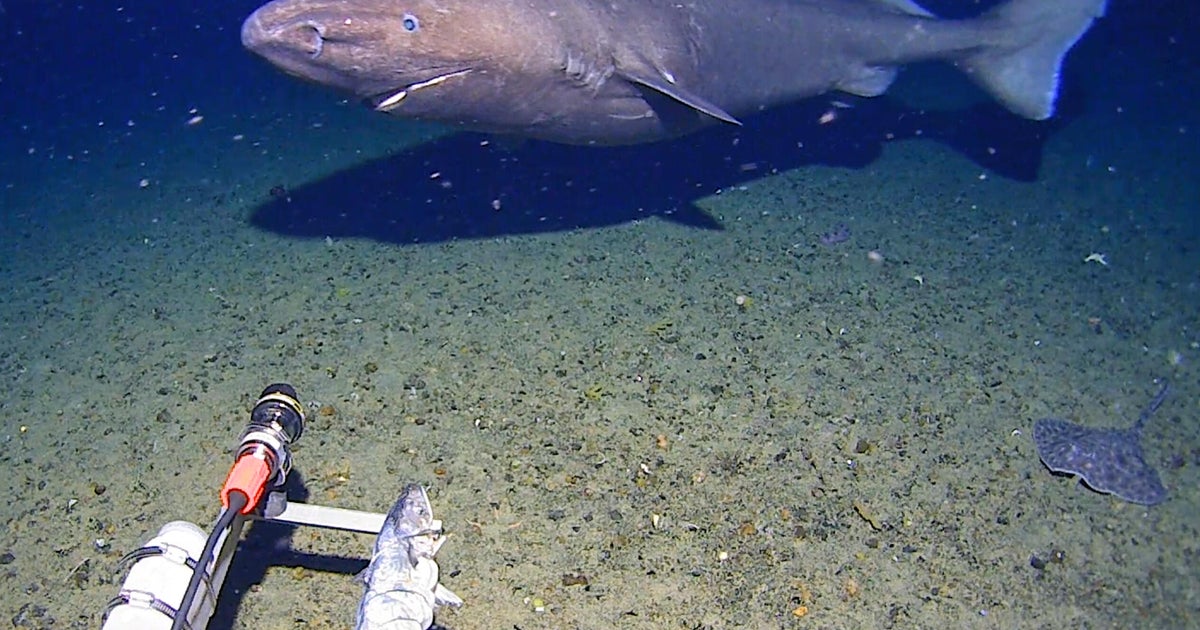
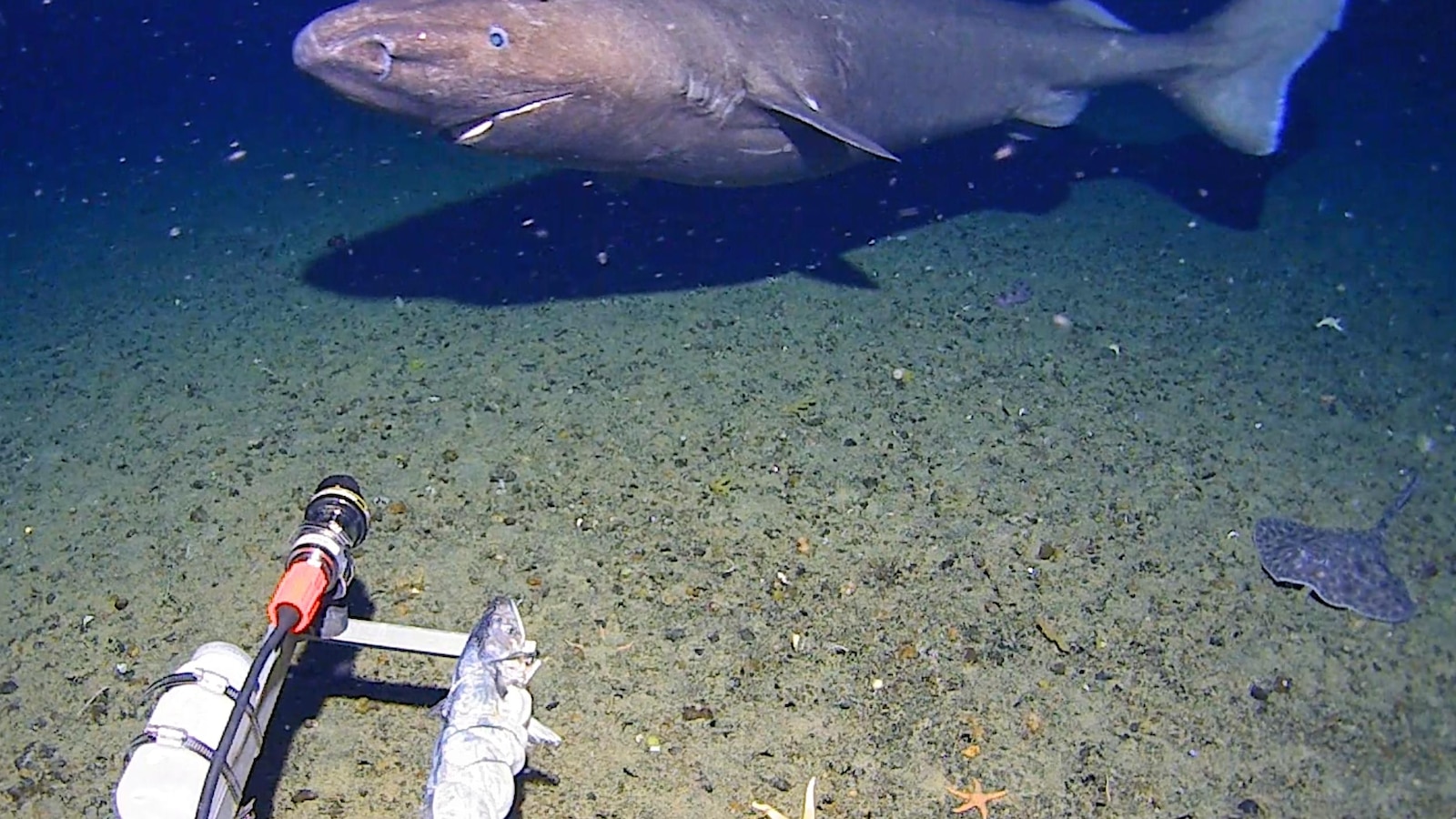
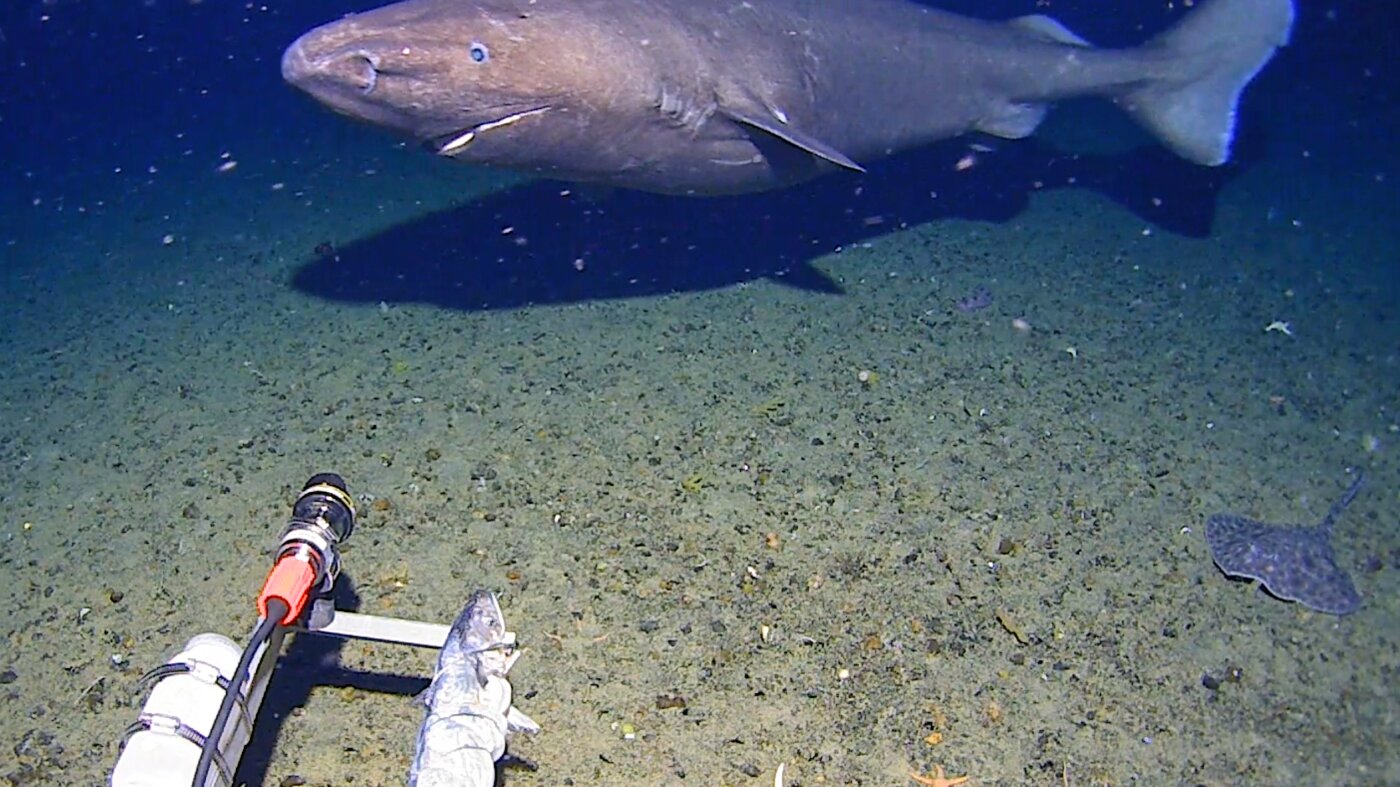
Researchers filmed a sleeper shark in January 2025 at about 490 meters depth off the South Shetland Islands, providing what the Minderoo-UWA Deep-Sea Research Centre says is the first recorded shark in the Antarctic Ocean.
The camera was operated by the Minderoo-UWA Deep-Sea Research Centre near the Antarctic Peninsula, and the center on Wednesday gave permission to publish the images, highlighting limited year-round coverage of the region.
Alan Jamieson, founding director of the Minderoo-UWA centre, said he found no record of another shark so far south, and Charles Darwin University conservation biologist Peter Kyne agreed that a shark had not been recorded previously at that latitude.
The photographed shark was estimated at 3 to 4 meters (10 to 13 feet), was filmed at 490 meters (1,608 feet) where the water temperature was about 1.27°C (34.29°F), and the Antarctic Ocean is stratified to around 1,000 meters (3,280 feet).
Jamieson said sleeper sharks may occupy the warmest mid-layer around 500 meters and feed on sinking carcasses, and researchers noted that cameras operate only during December through February and that much of the year the seafloor goes unobserved.
Analysis
Center-leaning sources present this as straightforward science reporting, using descriptive but attributed researcher quotes for color and cautious language on causes. They prioritize named experts, clearly mark uncertainty (e.g., 'could potentially be driving…' and 'no one's looking'), and avoid broad speculative claims or editorializing beyond attributed observations.
FAQ
Sleeper sharks are large sharks from the family Somniosidae that are well-adapted to deep, cold ocean environments. The Pacific sleeper shark can reach lengths similar to Greenland sharks and are slow-moving but efficient hunters.[1] They inhabit deep-sea environments at depths greater than 1,000 meters, and their physiological and metabolic adaptations allow them to survive in cold, deep waters.[1] The Antarctic sleeper shark filmed at 490 meters depth in water of 1.27°C represents an expansion into previously unrecorded territory, likely enabled by these cold-water adaptations.
The Antarctic Ocean's extremely cold temperatures near the South Pole have historically made it inhospitable to most shark species, and the geographic isolation of the continent created barriers for shallow-water species.[1] However, monitoring gaps play a critical role: research cameras in the Antarctic region typically operate only during December through February, leaving much of the year with unobserved seafloor activity.[2] This limited temporal coverage means sharks present year-round or during other seasons would go undetected, explaining why the first recorded shark sighting occurred only recently despite decades of Antarctic research.
Yes, warming Antarctic waters could enable deeper-diving shark species to access the region more frequently. Scientists already observe that warmer seawater temperatures near Antarctica are attracting new visitors like king crabs to shallower waters, and they believe there is a high probability that sharks capable of traversing deep waters could increasingly access the South Pole if current warming trends continue.[1] However, the genetic diversity and population structure of shark species varies significantly—some species like oceanic whitetips have medium to high genetic diversity that may allow adaptation to changing ocean conditions, which would support resilience to climate-driven range shifts.[2]
Researchers suggest that sleeper sharks occupying the mid-layer around 500 meters likely feed on sinking carcasses that descend from upper ocean layers to the deep seafloor.[1] This feeding strategy allows them to exploit organic matter in an otherwise food-limited deep-sea environment where live prey is scarce, making the deep ocean an energy-efficient hunting ground despite the extreme cold and darkness.