NASA Targets March 6 Launch for Artemis II After Successful Rehearsal
NASA set a March 6 target for Artemis II after a successful wet dress rehearsal that loaded the SLS with more than 700,000 to more than 750,000 gallons of cryogenic propellant.
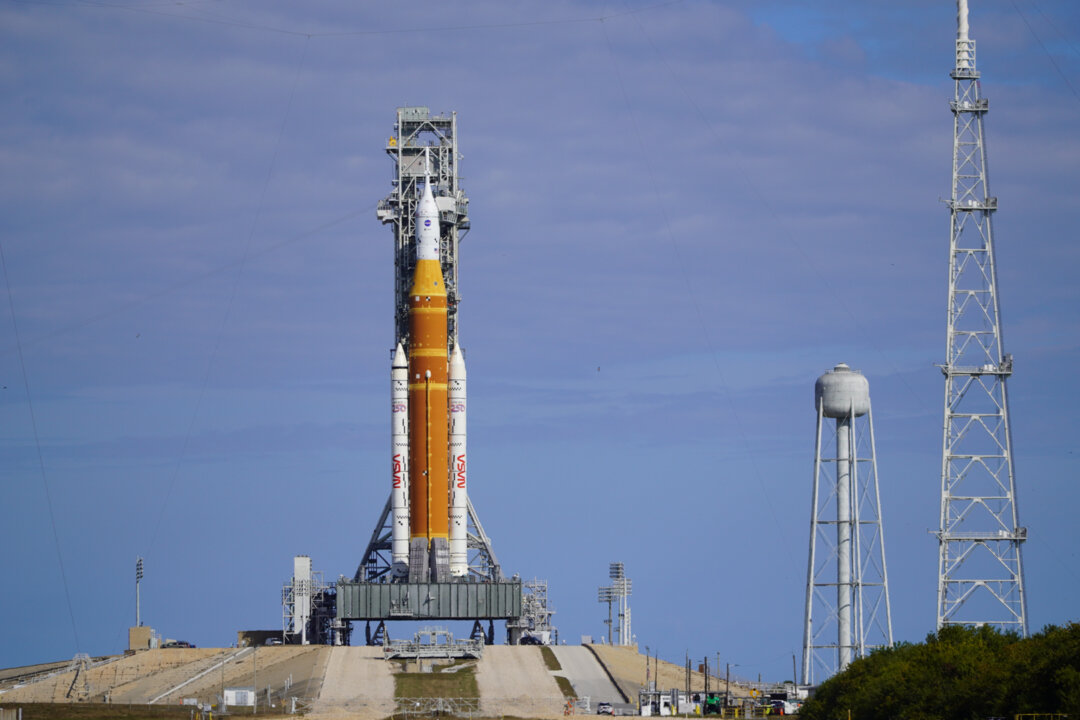
 Epoch Times
NASA Targets March 6 for Moon Launch After Successful Dress Rehearsal
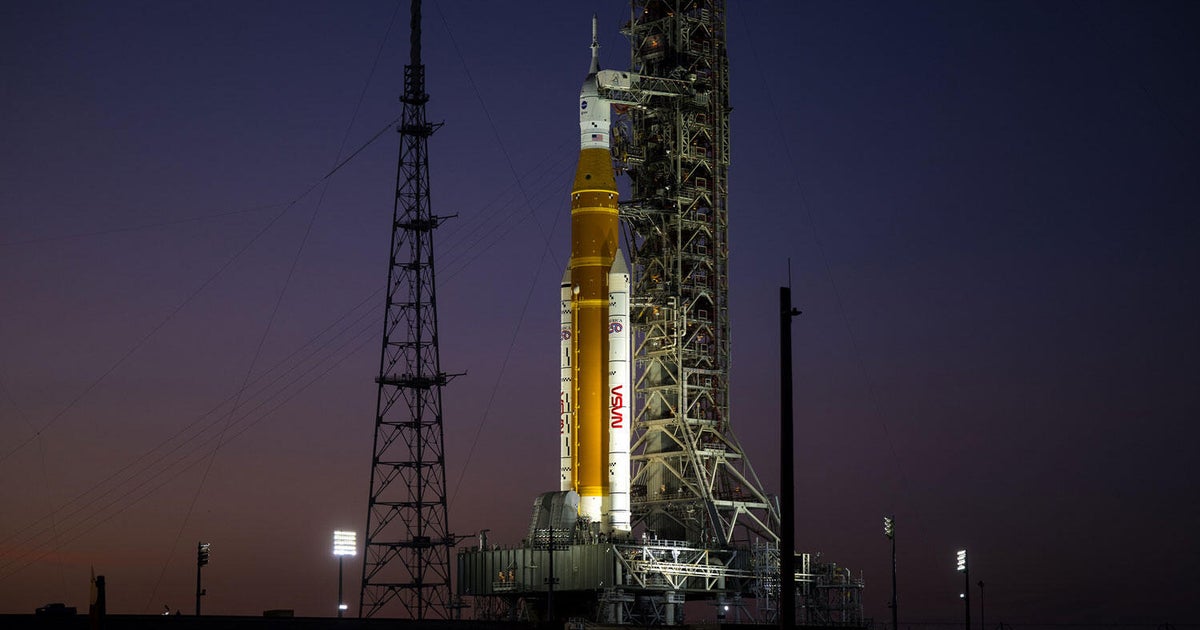
 CBS News
NASA targets March 6 for launch of long-awaited Artemis II moon mission
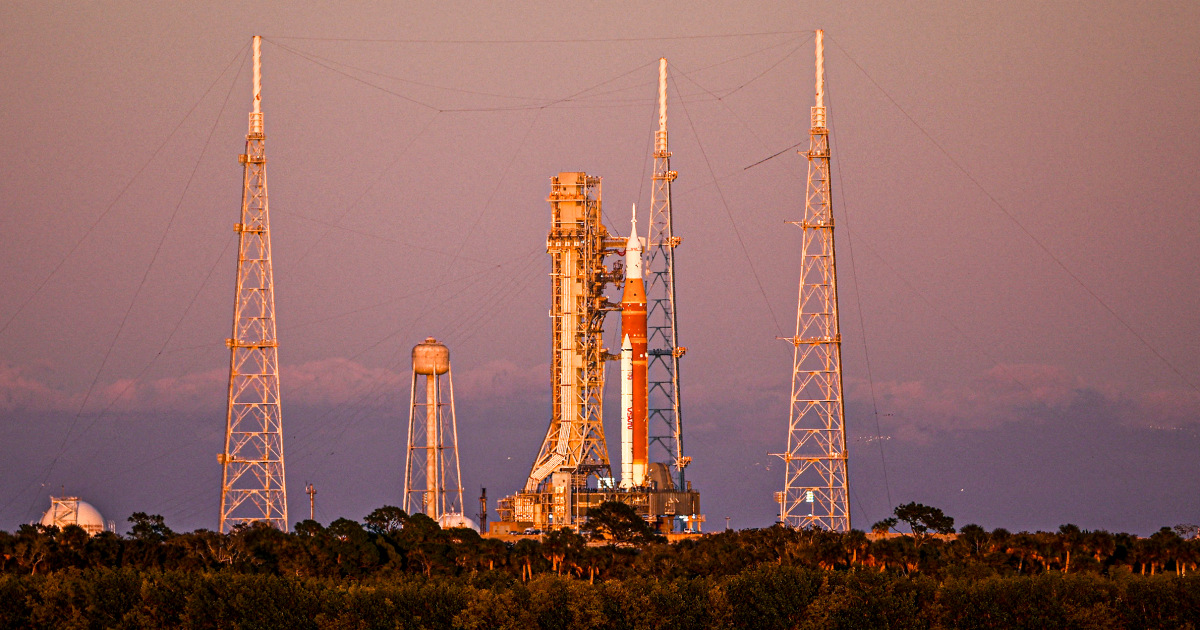
 NBC News
NASA targets March 6 to launch astronauts on a long-awaited mission around the moon
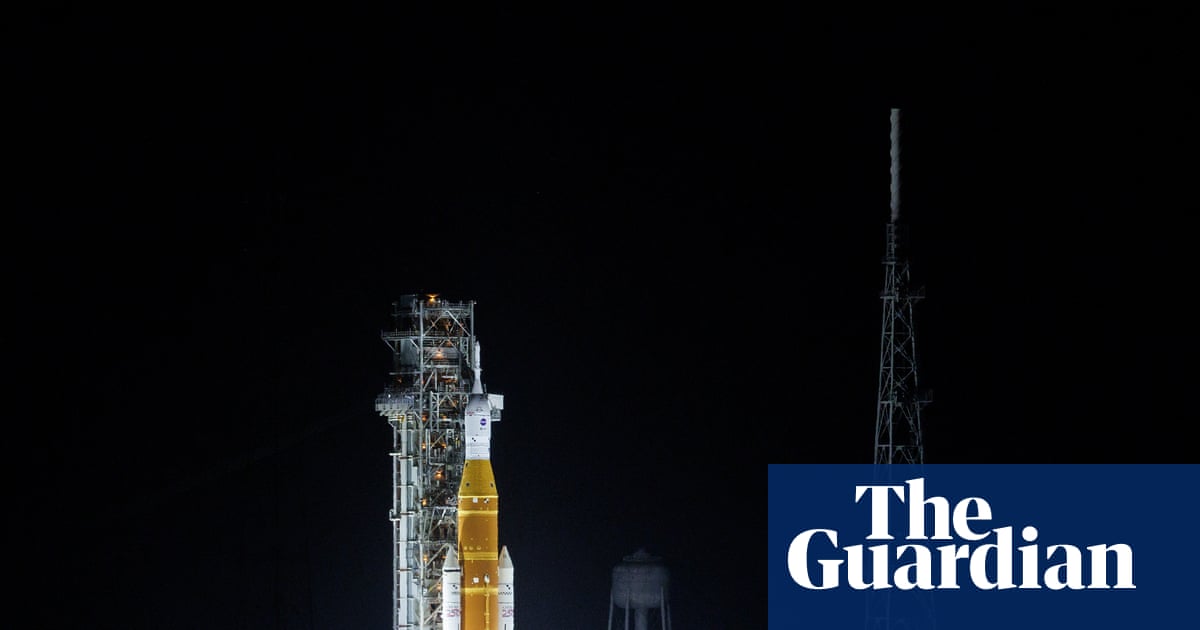
 The Guardian
Nasa to launch historic Artemis II moon mission on 6 March after delays
Overview
NASA said it is targeting a March 6 launch for Artemis II after completing a successful second wet dress rehearsal of the Space Launch System rocket and Orion spacecraft.
The rehearsal included hourslong fueling that followed a Feb. 2 attempt cut short by hydrogen leaks, and engineers replaced two seals on fueling lines to address the problem, officials said.
Lori Glaze and mission managers said teams are analyzing data, will conduct a multi-day flight readiness review late next week, and the crew will enter quarantine in Houston on Feb. 20, officials said.
Teams loaded the SLS with more than 700,000 to more than 750,000 gallons of liquid oxygen and hydrogen during the rehearsal, and the mission will carry four astronauts on a 10-day lunar fly-around, officials said.
If the flight readiness review clears the vehicle, the crew is expected to fly to Kennedy Space Center on March 1 to begin final preparations ahead of the March 6 target, officials said.
Analysis
Center-leaning sources present the coverage as a celebratory, progress-focused narrative, emphasizing successful tests and agency optimism while downplaying broader scrutiny. Editorial choices—positive descriptors, prominent placement of NASA statements, and a structure that foregrounds success—prioritize momentum. Critical perspectives on costs, schedule risks, or program history are largely absent from the coverage.
FAQ
Artemis II is NASA's first crewed lunar flyby mission in over 50 years, sending four astronauts—Reid Wiseman, Victor Glover, Christina Koch, and Jeremy Hansen—on a 10-day journey around the Moon aboard the SLS rocket and Orion spacecraft.
The February 2 attempt was cut short due to hydrogen leaks, which engineers addressed by replacing two seals on the fueling lines.
NASA loaded over 700,000 gallons of cryogenic propellant into the SLS, completed two terminal countdown simulations stopping at T-29 seconds, demonstrated Orion hatch closure, and ended the test successfully on February 19, 2026.
Teams are analyzing data, a multi-day flight readiness review is scheduled late next week, the crew enters quarantine in Houston on February 20, and if cleared, they fly to Kennedy Space Center on March 1 for final preparations ahead of the March 6 target launch.
The primary window is March 6-9 or March 11, 2026; if missed, April dates include April 1, 3-6, and 30.