NASA Delays Artemis II, Rolls Rocket Back for Repairs
Helium flow interruption in the interim cryogenic propulsion stage forces rollback to the Vehicle Assembly Building for repairs, imperiling the March 6 launch window and possibly preserving an April attempt.

 Wired
WiredNASA Delays Launch of Artemis II Lunar Mission Once Again

 Chicago Tribune
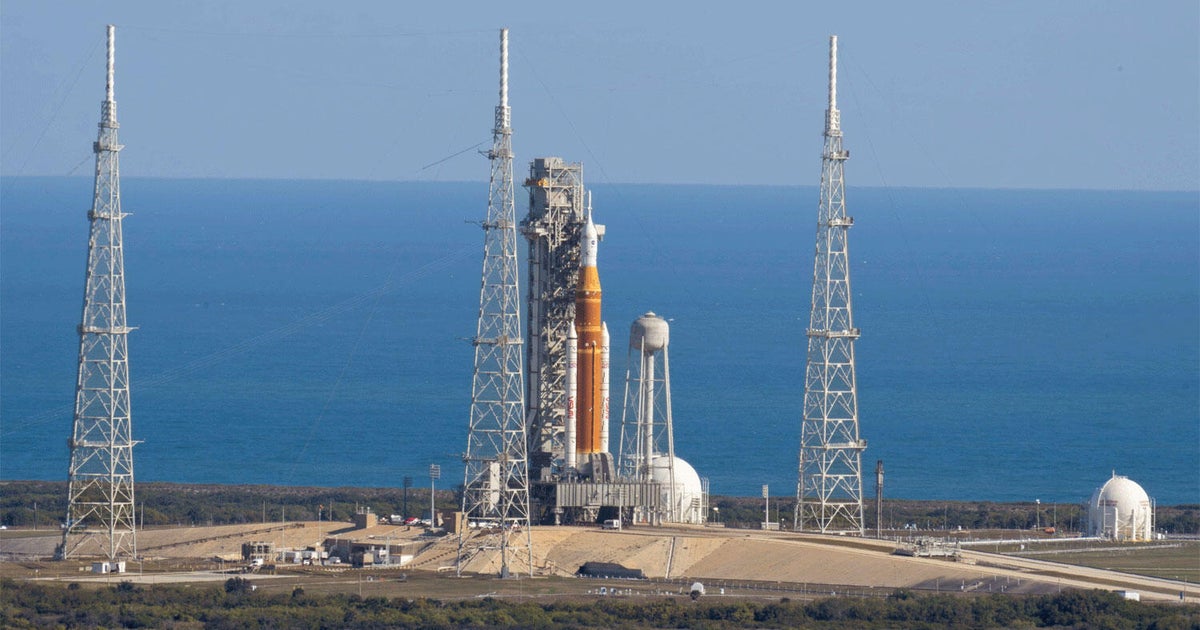
NASA will return its moon rocket to the hangar for more repairs before astronauts strap in
 CBS News
NASA to start slow-moving process returning moon rocket to hangar this week
 ABC News
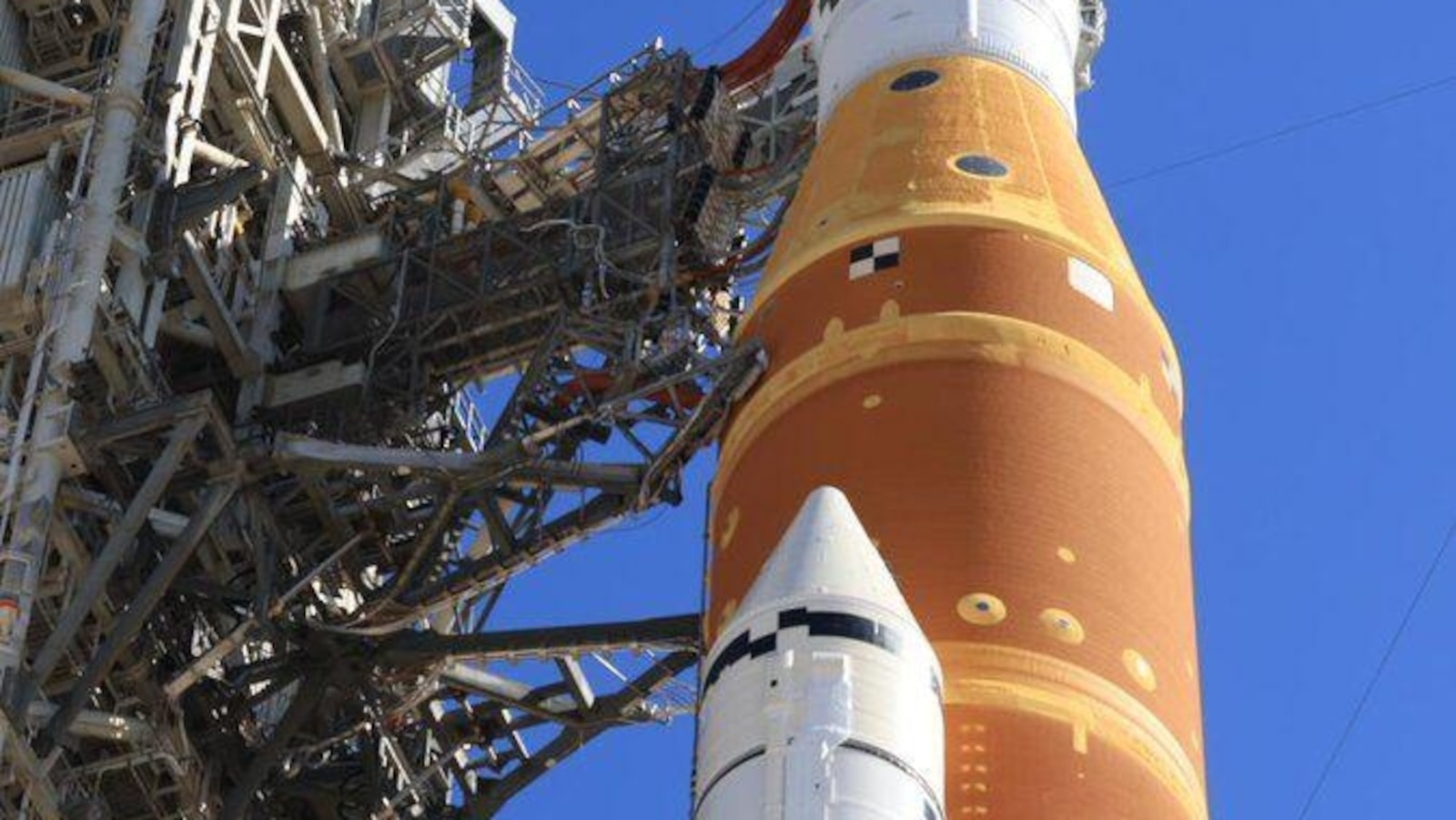
NASA will return its moon rocket to the hangar for more repairs before astronauts strap in
Overview
NASA postponed the Artemis II crewed lunar flyby and is rolling the Space Launch System rocket back to the Vehicle Assembly Building for repairs after an interruption in helium flow to the interim cryogenic propulsion stage, agency officials said.
The helium flow malfunction occurred on February 20 during a routine operation, and NASA said the flow is essential for purging engines and pressurizing the fuel tanks.
Administrator Jared Isaacman said engineers must fix the problem from inside the Vehicle Assembly Building and that the rocket is being returned to the hangar, adding that the team feels disappointment at the setback.
Teams completed a successful second wet dress rehearsal this month that loaded about 700,000 gallons (2.6 million liters) of cryogenic propellant with minimal hydrogen leakage, and the four-person crew is Reid Wiseman, Victor Glover, Christina Koch and Jeremy Hansen.
NASA said returning to the Vehicle Assembly Building is required to determine the cause and fix the helium issue, and that quick rollback preparations potentially preserve an April launch attempt depending on repair outcomes and schedule constraints.
Analysis
Center-leaning sources report this development neutrally, focusing on operational facts and agency statements rather than opinion. They emphasize technical details (e.g., hydrogen leaks, helium system malfunction), include NASA quotes about the rollback and schedule, and situate the delay in mission context, avoiding loaded language or omitted viewpoints.
FAQ
An interruption in helium flow to the interim cryogenic propulsion stage (upper stage) occurred on February 20-21 during routine operations after the wet dress rehearsal, requiring repairs inaccessible at the launch pad.
Helium is used to purge engines, pressurize liquid hydrogen and liquid oxygen propellant tanks, and maintain proper environmental conditions for the stage’s engines.
Weather permitting, the rollback is planned as soon as Tuesday, February 24, 2026, after preparations including removal of pad access platforms.
The March launch window, ending March 11, is no longer possible, but quick preparations may preserve an April launch window (possible dates: April 1, 3, 4, 5, 6) depending on repair outcomes.
The crew consists of Commander Reid Wiseman, Pilot Victor Glover, Mission Specialist Christina Koch, and Mission Specialist Jeremy Hansen; they were released from quarantine on February 21.
