NASA Classifies Starliner Flight As 'Type A' Mishap
Report blames leadership and thruster failures, says the program has cost NASA $4.2 billion and delays crewed Starliner flights until fixes are made.

 CNET
CNETNASA Admits Fault in Starliner Test Flight, Classifies It as 'Type A' Mishap
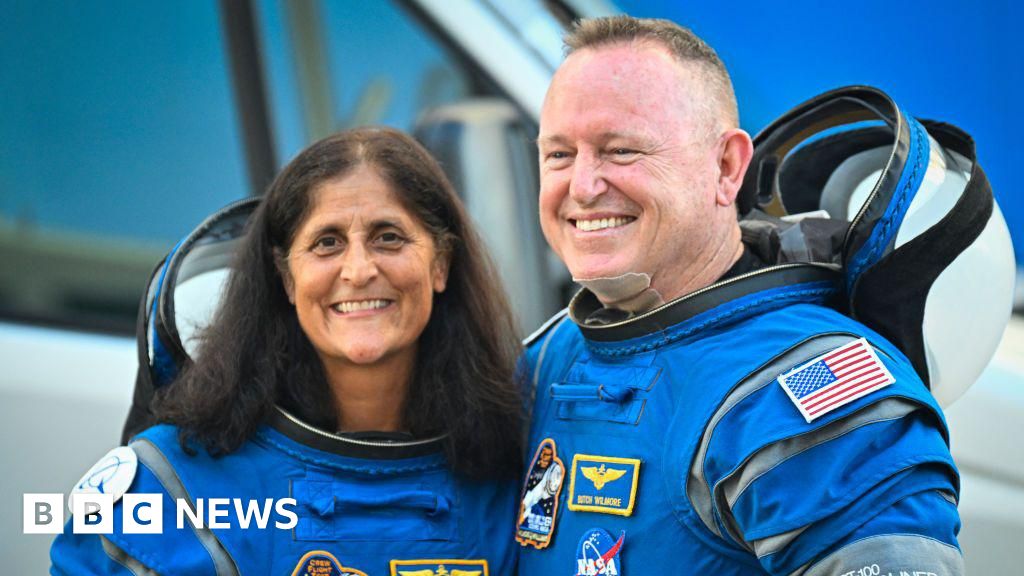
 BBC News
Nasa boss says Boeing Starliner failure one of worst in its history
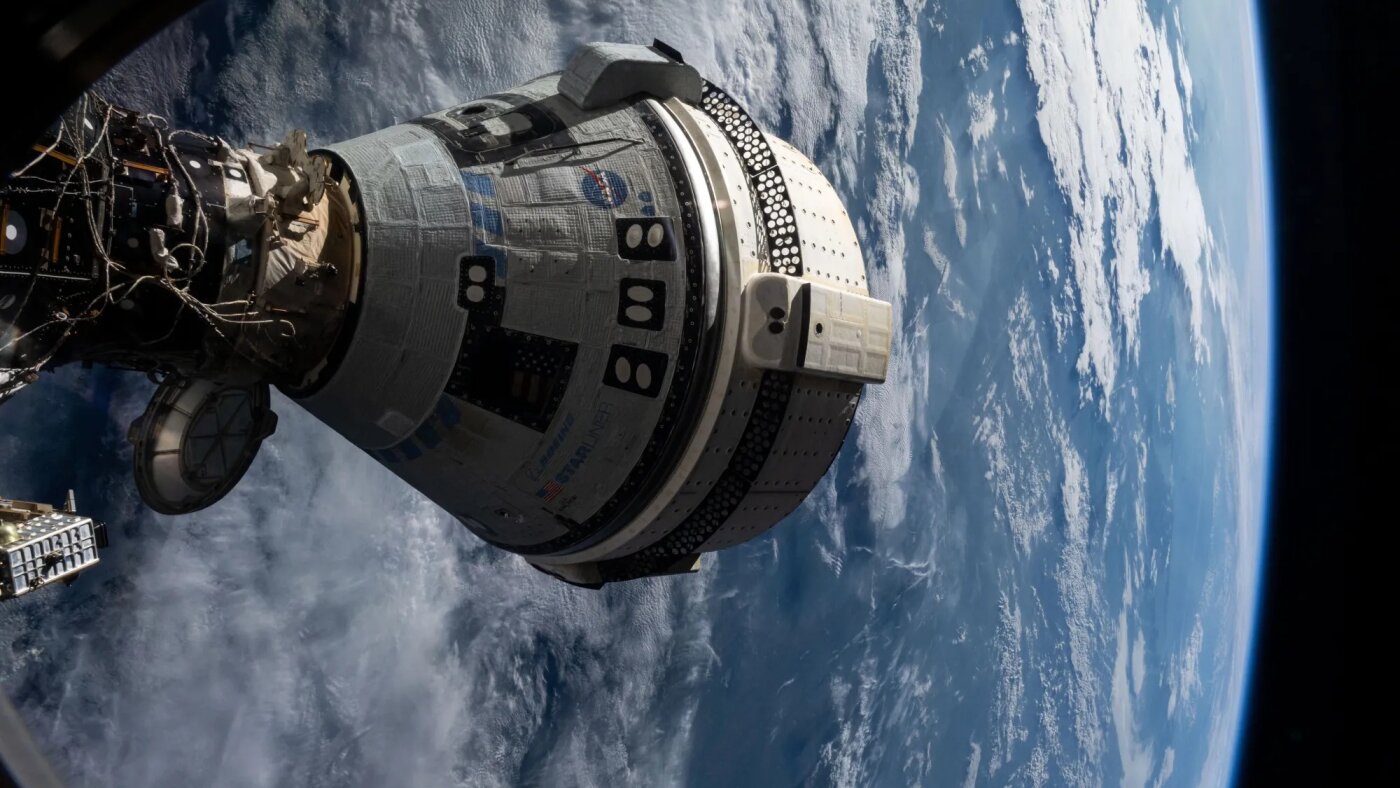
 NPR
NPRNASA chief blasts Boeing, space agency for failed Starliner astronaut mission
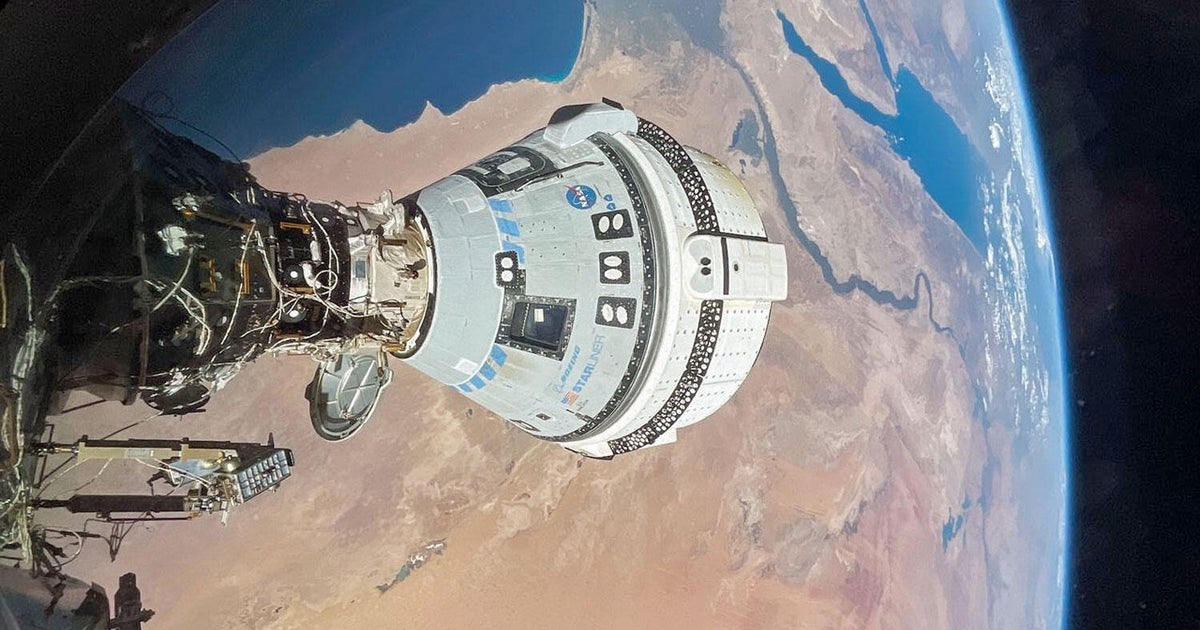
 CBS News
NASA's new chief rebukes Boeing, space agency over problem-plagued Starliner mission that left astronauts stuck in space for months
Overview
NASA classified the 2024 Boeing Starliner crewed test flight as a "Type A" mishap and said the program has cost the agency $4.2 billion to date.
NASA's investigative report faulted Boeing and NASA managers for leadership and testing failures and highlighted thruster malfunctions and helium leaks that hindered docking.
Administrator Jared Isaacman said NASA will not fly another crew on Starliner until the technical causes are understood and corrected.
The test launched on June 5, 2024, left astronauts Suni Williams and Butch Wilmore stranded for more than nine months, and they returned to Earth in March 2025.
NASA and Boeing plan to send Starliner back to the International Space Station on an uncrewed resupply mission currently set for April 2026.
Analysis
Center-leaning sources frame the story to emphasize institutional failure and accountability by foregrounding NASA chief Jared Isaacman's criticisms, using a loaded headline ('blasts'), juxtaposing a Type A mishap with Challenger/Columbia, prioritizing organizational critique and expert commentary while relegating Boeing's brief statement to the article's end; quoted allegations remain source content.
FAQ
A Type A mishap is NASA's highest classification for significant incidents involving leadership accountability, used here to ensure lessons from the Starliner crewed flight test are fully captured and to prevent recurrence.
The mission experienced propulsion system anomalies, thruster malfunctions, helium leaks, and a temporary loss of 6-DOF control, which hindered docking with the ISS and extended the mission from 8-14 days to 93 days.
Due to propulsion anomalies identified during the June 5, 2024, flight, NASA decided not to return them on Starliner; they stayed on the ISS for 93 days initially and returned via SpaceX Crew-9 in March 2025.
NASA's desire to maintain two crew providers influenced risk decisions, limited oversight allowed Boeing hardware to operate outside limits, and concerns for program reputation affected post-mission investigations.
NASA will not fly crew until technical causes are fixed; an uncrewed resupply mission to the ISS is planned for April 2026, with ongoing root cause work since Starliner's return 18 months ago.
