NASA Rolls Artemis II Rocket Back to Hangar After Helium Problem
Helium pressurization blockage after wet dress rehearsals forced rollback; engineers will inspect the ICPS and replace batteries with April launch windows possible.
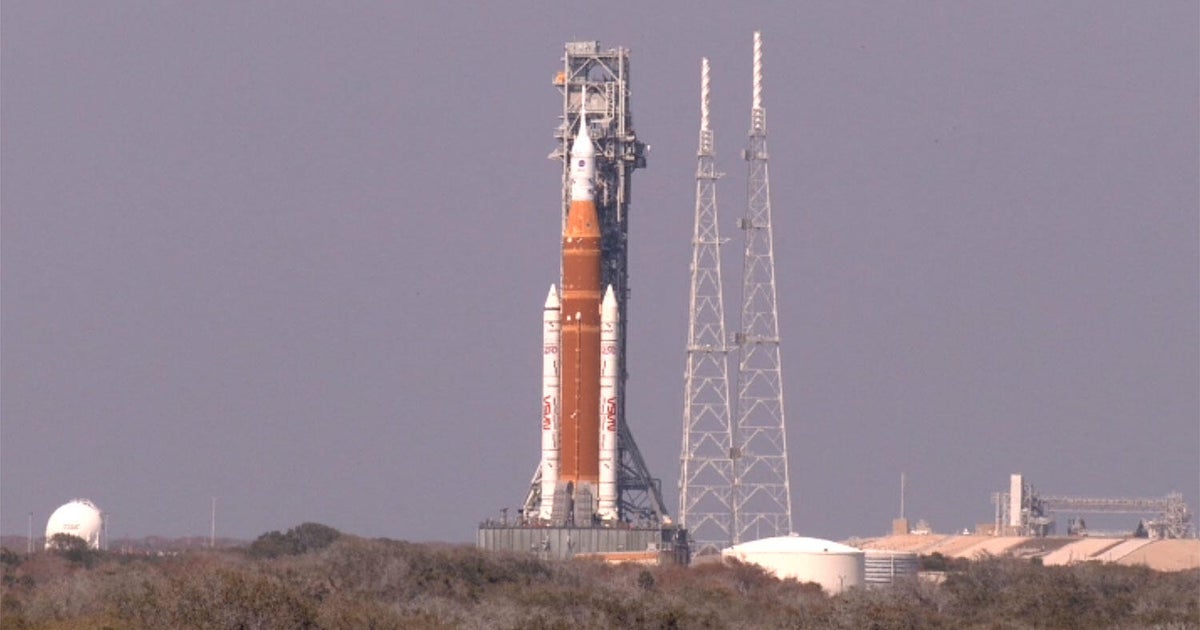
 CBS News
NASA hauls moon rocket off launch pad to fix another launch-delaying malfunction
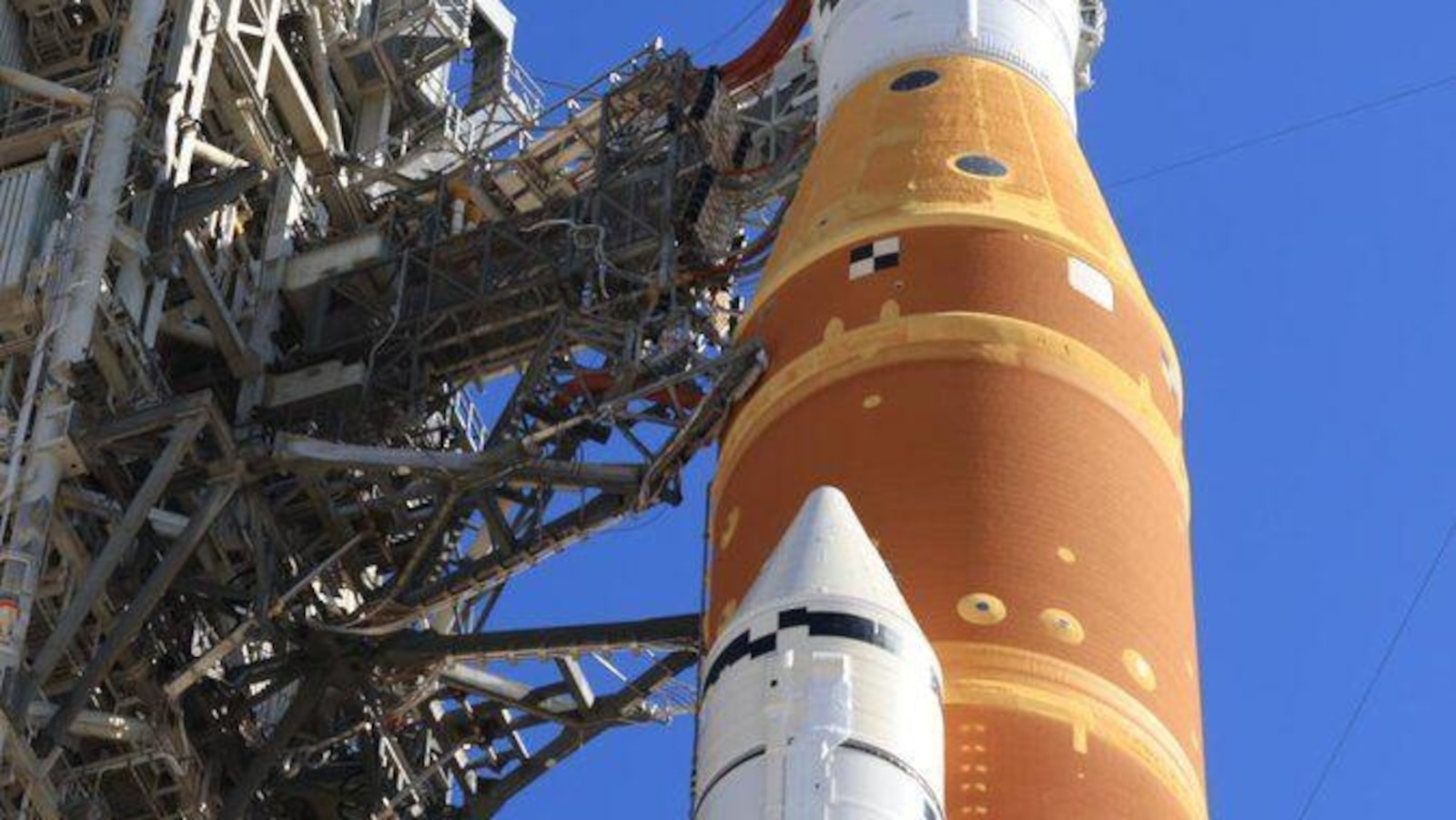
 ABC News
NASA moves its Artemis II moon rocket off launch pad for more repairs
 Associated Press
NASA moves its Artemis II moon rocket off the launch pad for more repairs
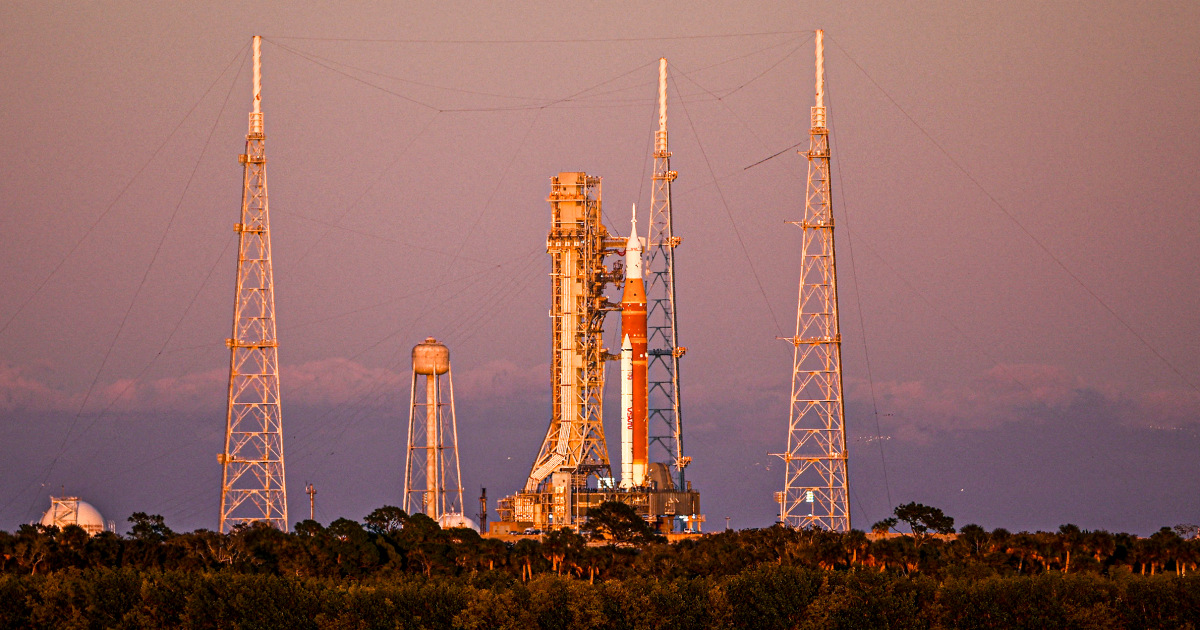
 NBC News
Artemis rocket heads back to its hangar for repairs as moonshot put on hold
Overview
NASA rolled the Artemis II Space Launch System rocket off Pad 38B and slow-transported it back to the Vehicle Assembly Building to investigate a helium pressurization malfunction.
Engineers ordered the rollback after a wet dress rehearsal uncovered a helium flow blockage in the Interim Cryogenic Propulsion Stage following earlier hydrogen leaks that already delayed the mission.
Administrator Jared Isaacman said a valve could be the culprit, and engineers will deploy platforms to access the ICPS and replace batteries in the upper stage and flight-termination system.
The crawler-transporter, 6.6 million pounds, lifted the 3.5 million-pound rocket and 11.3 million-pound mobile launch platform for a 4-mile, 10–12-hour return; Artemis II crew includes Reid Wiseman, Victor Glover, Christina Koch and Jeremy Hansen.
In the Vehicle Assembly Building teams will inspect the ICPS for filter or quick-disconnect problems, replace limited-life batteries and pursue April launch opportunities including April 1, April 3–6 and April 30.
Analysis
Center-leaning sources present this as straightforward factual reporting without editorial slant, focusing on technical details, timelines and official statements. They keep evaluative language to quotes (NASA’s acknowledgment of disappointment), provide context (past wet dress rehearsal issues and Artemis I delays), and avoid prioritizing political or sensational perspectives.
FAQ
A helium pressurization blockage was discovered in the Interim Cryogenic Propulsion Stage (ICPS) after the wet dress rehearsal on February 19, interrupting helium flow to the upper stage.
Helium maintains proper environmental conditions for the engine, pressurizes liquid hydrogen and oxygen propellant tanks, purges engines, and fills space as propellants are used.
Possible causes include issues in the ground-rocket helium line interface, a valve in the upper stage, a filter between ground and rocket, or quick-disconnect problems.
Teams will inspect the ICPS for helium flow issues, replace batteries in the upper stage and flight-termination system, and pursue April launch windows like April 1, 3-6, or 30.[5]
The crew includes Reid Wiseman, Victor Glover, Christina Koch, and Jeremy Hansen, who will perform a lunar fly-around.[4]

