Six-Planet 'Parade' Lights Up Sky This Weekend
Six planets—Mercury, Venus, Jupiter, Saturn, Uranus and Neptune—will appear together with peak grouping noted on 28 February and best viewing at twilight from dark horizons.

 TIME Magazine
How to Best See the 'Planetary Parade' This Weekend
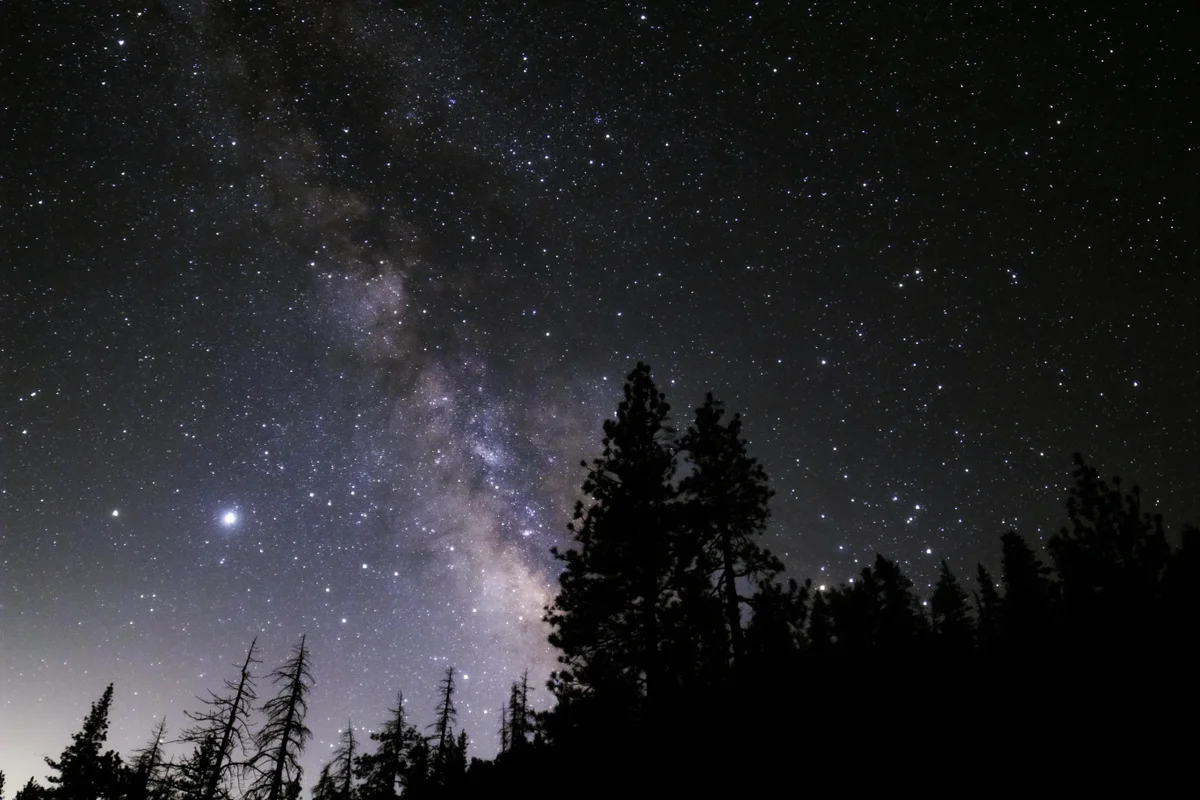
 Scientific American
Saturday’s ‘planetary parade’ is a must-see for stargazers. Here’s how to watch it
 The Guardian
Six planets due to parade across night sky in rare celestial spectacle

 CNN
CNNHow and when to see 6 planets aligned in a planetary parade | CNN
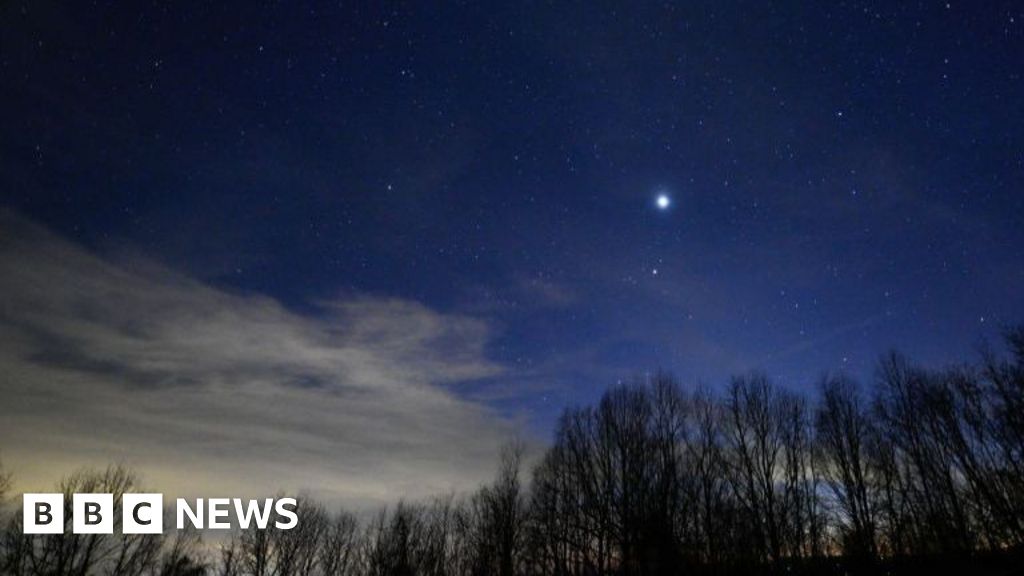
 BBC News
Planetary parade 2026: Six planets visible in night sky
Overview
Six planets—Mercury, Venus, Jupiter, Saturn, Uranus and Neptune—will appear together in a planetary parade this weekend, with the most optimal viewing on Saturday, according to the Farmers' Almanac and NASA.
The parade occurs because the planets' orbits place them on roughly the same side of the sun, making several planets appear together from Earth, astrophysicist Megan Argo and NASA planetary scientist Heidi Haviland said.
NASA and astronomers said Mercury, Venus, Saturn and Jupiter are visible to the naked eye while Uranus and Neptune will require binoculars or a telescope.
Visibility will be worldwide with best views at twilight or from locations with little light pollution, and some sources list the closest grouping on 28 February with other peak dates varying by city.
Observers were urged to find a clear western horizon, let eyes adjust to darkness, avoid city lights, and note that Mercury will be harder to spot by midweek and may be lost by early March, astronomers said.
Analysis
Center-leaning sources present this story neutrally, focusing on clear scientific explanation and practical advice. They rely on expert input (Dr Becky Smethurst), sober descriptions of visibility, timing and weather caveats, and behavioral tips for observation. Language is descriptive, non-sensational, and omits partisan or value-laden framing, emphasizing utility over narrative.
FAQ
Mercury, Venus, Jupiter, Saturn, Uranus, and Neptune.
The peak grouping is on February 28.
Mercury, Venus, Saturn, and Jupiter are visible to the naked eye; Uranus and Neptune require binoculars or a telescope.
View at twilight from dark horizons with little light pollution, using a clear western horizon and allowing eyes to adjust to darkness.
The planets' orbits place them on roughly the same side of the sun, making them appear grouped from Earth's perspective.