Blood Moon Total Lunar Eclipse Will Cross Multiple Continents
A total lunar eclipse on March 3 will tint the moon red for about an hour and will be visible across North America, parts of Asia, Australia and the Pacific.

 USA TODAY
A total lunar eclipse is coming. What to know about the 'blood moon'
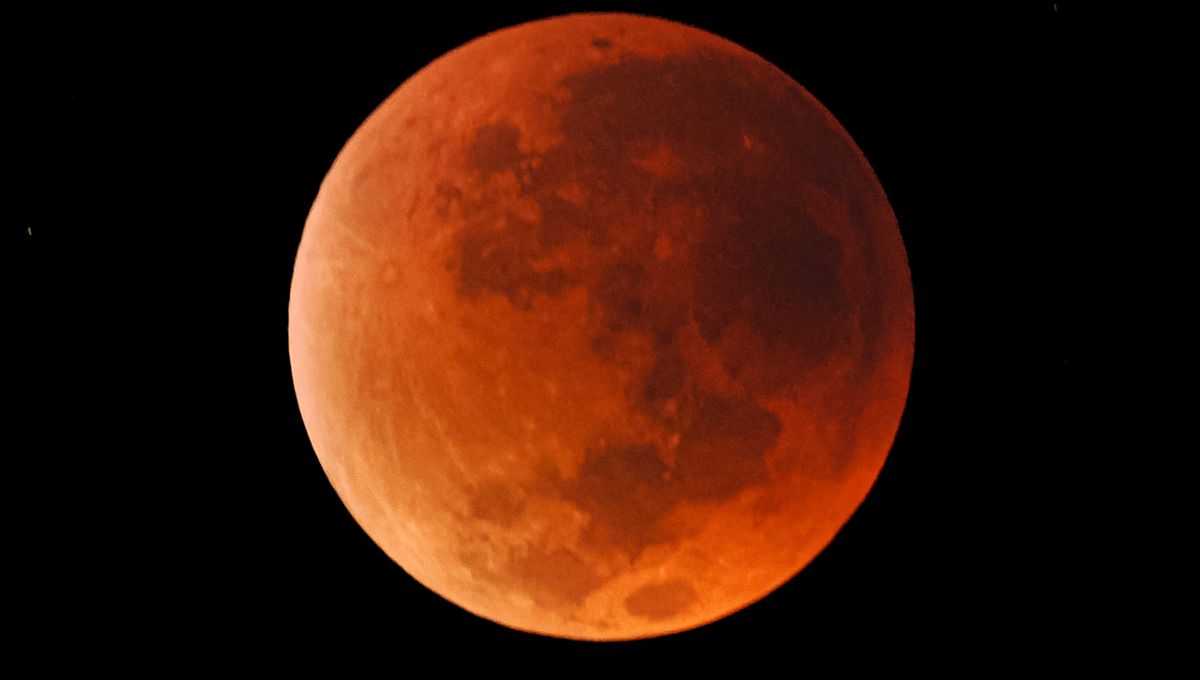
 IFL Science
A Blood Moon, A Conjunction, And Six Planets Parading In The Night Sky
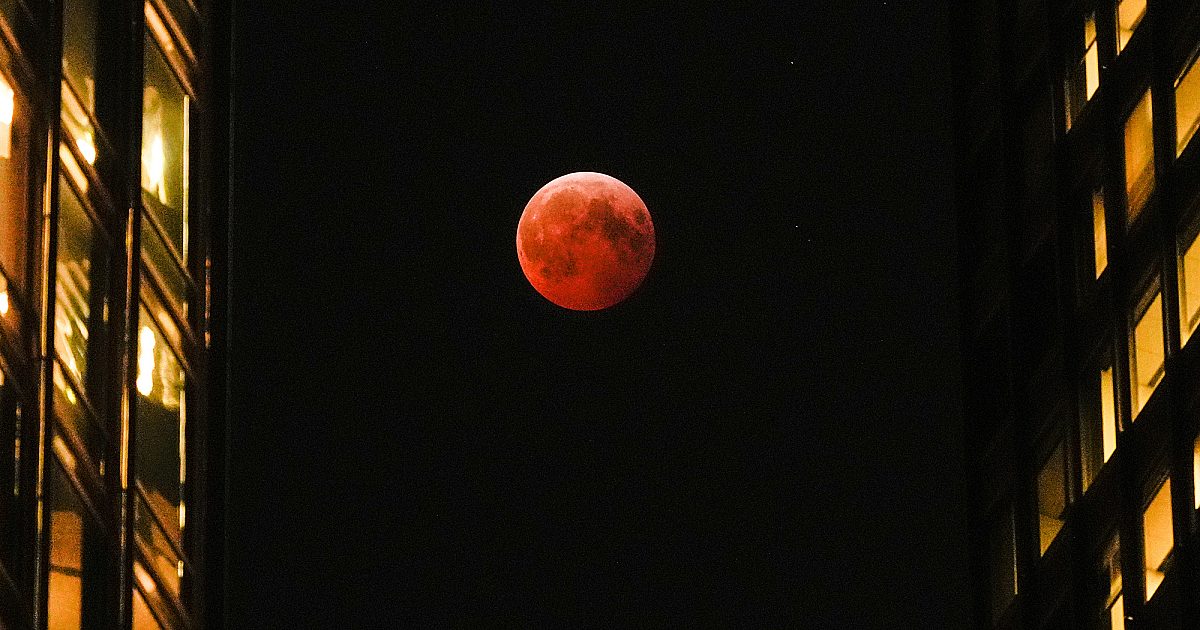
 World News Group
Lunar eclipse to trigger blood moon Tuesday
/https://tf-cmsv2-smithsonianmag-media.s3.amazonaws.com/filer_public/95/56/9556b63f-b6f3-4775-a807-ce433ee15c2d/blood-moon.jpg)
 Smithsonian Magazine
The Eerie 'Blood' Moon Will Grace the Night Sky Next Week, Thanks to a Total Lunar Eclipse
Overview
NASA said a total lunar eclipse on March 3 will turn the moon a reddish-orange "blood moon" visible across parts of the globe.
The eclipse occurs when Earth passes between the sun and moon, and sunlight filtered through Earth's atmosphere will give the moon its red hue, scientists said.
Astronomers said totality will last about an hour and that no special equipment is required, though binoculars or a telescope and dark skies will enhance the view.
NASA said the eclipse will be visible in eastern Asia and Australia in the evening and across North and Central America and far western South America in the early morning, while Africa and Europe will not see it.
Astronomers said a planetary parade will accompany the event and that on March 7 Venus, Saturn and Neptune will appear in conjunction after sunset, with Neptune requiring a telescope.
Analysis
Center-leaning sources frame the eclipse as a dramatic spectacle through vivid, playful language (eerie, spooky, "blood" moon) and headline emphasis, while still relying on scientists for cause-and-effect explanation. Editorial choices prioritize visual drama and viewer tips over broader cultural or historical context, highlighting spectacle with selected descriptive phrases and timing details.
FAQ
A total lunar eclipse occurs when Earth passes between the sun and moon, filtering sunlight through Earth's atmosphere, which scatters blue light and allows red light to reach the moon, creating the blood moon effect.
It will be visible across North America, parts of Asia, Australia, New Zealand, the Pacific, and far western South America, but not in Africa or Europe.
Totality lasts about an hour from 11:04 to 12:02 UTC on March 3, 2026, which corresponds to early morning local times in North America (e.g., 6:04-7:02 a.m. EST).
No special equipment is required as it is safe to view with the naked eye, but binoculars or a telescope enhance the view, especially in dark skies.
A planetary parade on March 7, 2026, where Venus, Saturn, and Neptune will appear in conjunction after sunset, with Neptune requiring a telescope.