NASA Targets April 1 Launch For Artemis II After Repairs
NASA cleared the 322-foot SLS rocket after repairs and is targeting an April 1 crewed lunar flyaround with four astronauts, while safety reviews and scheduling constraints remain.
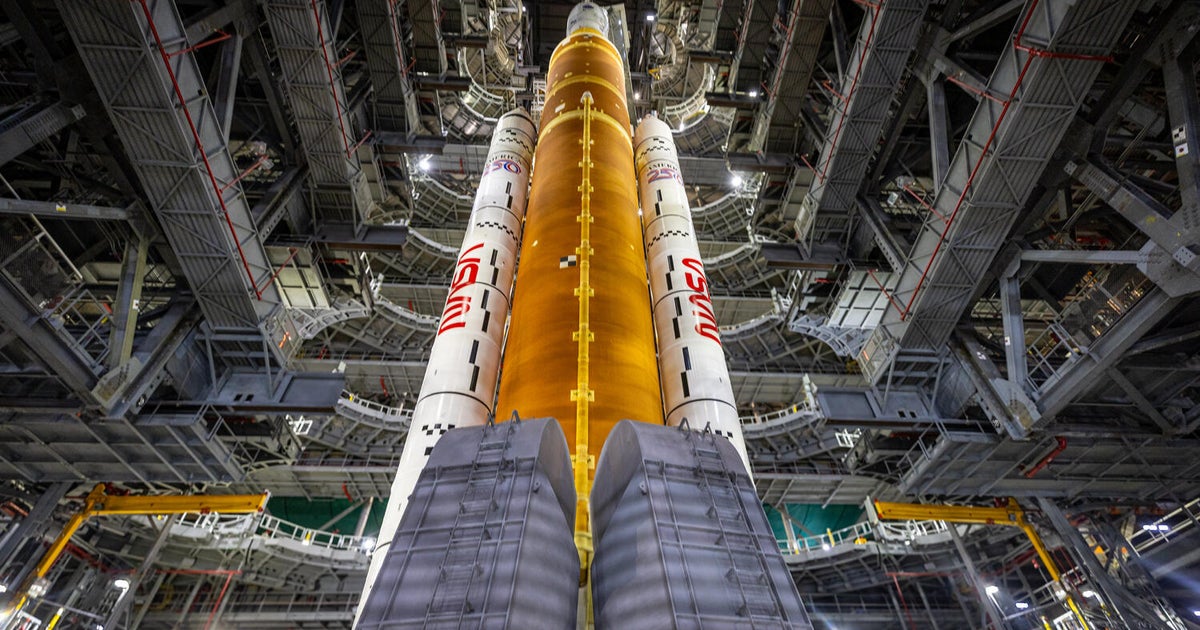
 CBS News
NASA ready for another shot at Artemis II moon mission with possible April 1 launch

 New York Post
NASA clears Artemis moon rocket for April launch — marking first human trip in over 50 years

 NPR
NPRNASA targets Artemis II crewed moon mission for April 1 launch
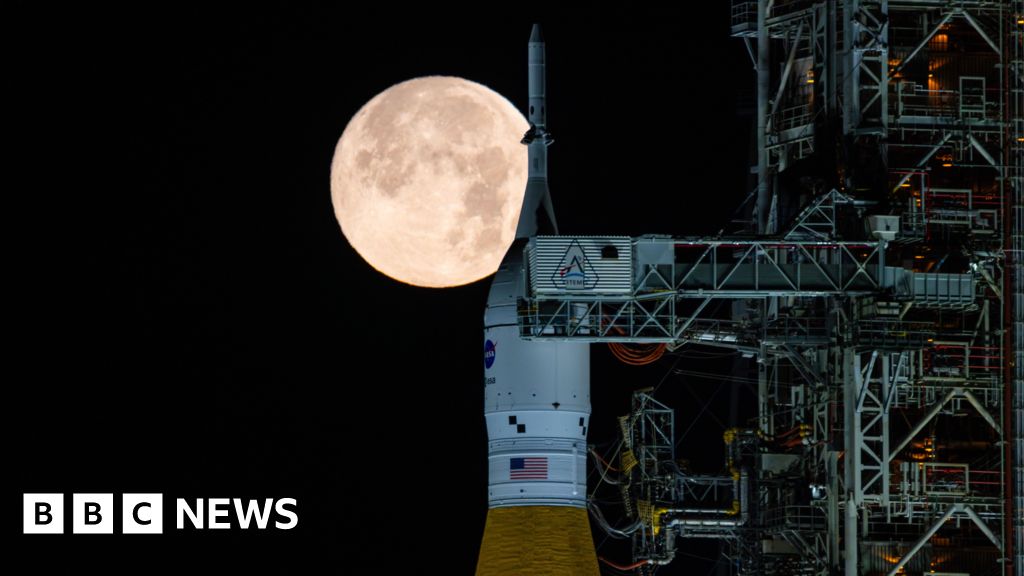
 BBC News
Artemis II: Nasa targets early April for Moon mission
Overview
NASA cleared the Artemis II moon rocket to roll back to the launch pad next week and is targeting liftoff as early as April 1 after completing recent repairs, agency officials said.
The mission was delayed after hydrogen leaks were fixed at the pad in February but a helium pressurization problem forced the rocket back into the Vehicle Assembly Building for repair of a displaced seal, NASA said.
Managers polled 'go' at a two-day flight readiness review, while Lori Glaze warned the test flight carries risk and the Office of Inspector General urged a rescue plan, citing 1-in-40 and 1-in-30 risk thresholds.
The 322-foot (98-meter) rocket will carry Reid Wiseman, Victor Glover, Christina Koch and Jeremy Hansen on a nine- to 10-day lunar flyaround mission, and NASA has April 1–6 as its initial launch window.
Teams plan to roll the rocket to the pad on March 19, the crew will enter quarantine on March 18 and travel March 27, and managers said they will launch when the hardware is ready.
Analysis
Center-leaning sources frame the Artemis II launch optimistically by foregrounding NASA officials' timelines and technical progress while using mildly celebratory terms like 'long-awaited' and detailed operational milestones. Editorial choices prioritize agency perspectives and schedule details, with few independent experts or critical viewpoints included, which narrows scrutiny of risks and contingency planning.
FAQ
The Artemis II mission experienced two major technical issues. Initially, hydrogen leaks were discovered and fixed at the launch pad in February 2026[1]. Subsequently, a helium pressurization problem was identified in the Interim Cryogenic Propulsion Stage, caused by a displaced seal[1]. This issue forced NASA to roll the rocket back into the Vehicle Assembly Building on February 25, 2026, where teams performed repairs including replacing batteries in the flight termination system and conducting end-to-end testing for range safety requirements[6].
The Artemis II crew consists of Commander Reid Wiseman, Pilot Victor Glover, and Mission Specialist Christina Koch from NASA, along with Mission Specialist Jeremy Hansen from the Canadian Space Agency (CSA)[3]. The mission will take approximately 9 to 10 days and involve a lunar flyaround, bringing the crew as close as 8,000 kilometers (5,000 miles) from the lunar surface[2].
Artemis II is a test flight designed to validate systems and hardware for deep space exploration[1]. The mission's key milestones include: the SLS rocket launching Orion into Earth orbit, Orion orbiting Earth twice to test systems, the spacecraft traveling to the Moon, the crew circling the Moon at approximately 8,000 kilometers distance, the spacecraft returning toward Earth, and Orion re-entering the atmosphere and splashing down in the Pacific Ocean[2]. The mission will last approximately 9 to 10 days and is not a lunar landing but a crewed lunar flyaround[2].
NASA's Office of Inspector General raised concerns about mission risk, citing risk thresholds of 1-in-40 and 1-in-30, and urged the development of a rescue plan[1]. Additionally, Lori Glaze, acting associate administrator of NASA's Exploration Systems Development Mission Directorate, warned that the test flight carries inherent risk[7]. These safety reviews were part of the two-day flight readiness review process where managers approved the mission to proceed[1].
NASA has established a detailed timeline for final preparations: the rocket will roll to Launch Pad 39B on March 19, 2026[1], the crew will enter quarantine on March 18[1], and the astronauts will travel to the launch site on March 27[1]. The mission targets an April 1 launch as the earliest opportunity, with additional launch windows available through April 6, 2026[1][4]. NASA officials stated they will launch when the hardware is ready rather than adhering to a fixed deadline[1].


