Oldest Humpback Song From 1949 Offers New Acoustic Baseline
March 1949 humpback recording reveals a quieter 1940s ocean and could show how increased shipping noise affects whale communication.
 PBS NewsHour
Oldest known recording of a whale song could unlock mysteries of the ocean
 ABC News
Oldest known whale recording could unlock mysteries of the ocean
 CBS News
Researchers uncover 1949 whale recording, potentially unlocking mysteries of ocean: "Beautiful to listen to"
 The Guardian
Oldest-known whale song recording provides new insight into ocean sounds
 ABC News
Scientists made a breakthrough in the study of whale sounds. Here's a look at the numbers
Overview
Woods Hole scientists said they discovered the song of a humpback whale recorded in March 1949 off Bermuda while digitizing old audio recordings.
Peter Tyack, a marine bioacoustician at Woods Hole, said the late 1940s ocean was much quieter and the preserved recording could help show how new human-made sounds, such as increased shipping noise, affect whale communication.
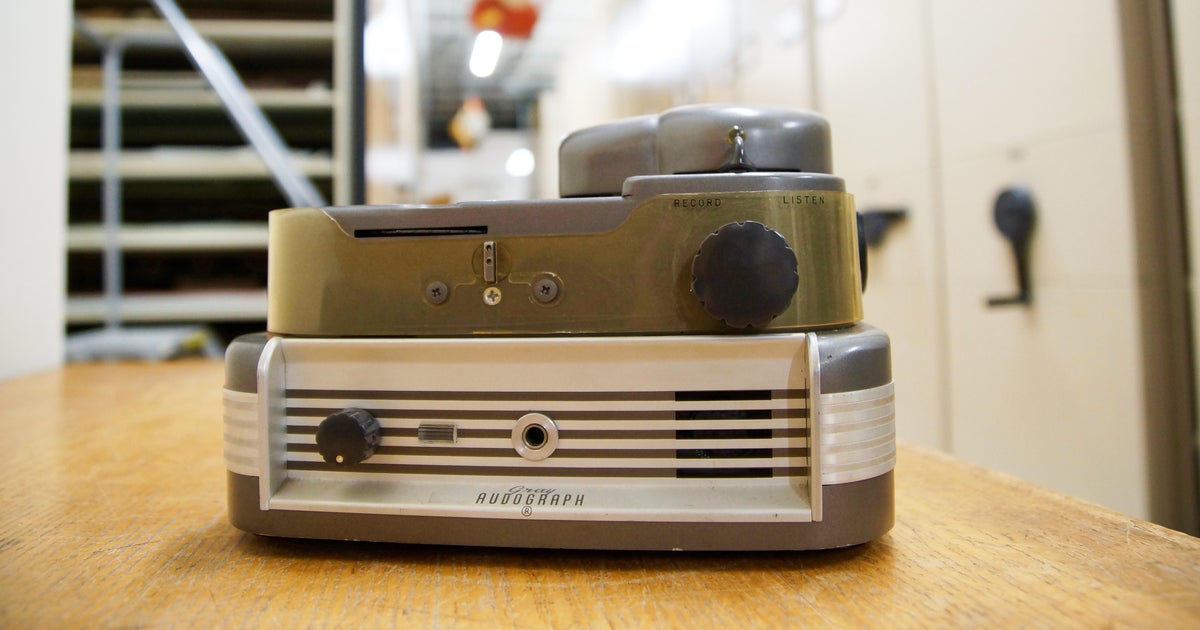
Ashley Jester, director of research data and library services at Woods Hole, said the sound was preserved on a Gray Audograph plastic disc that survived while many tapes deteriorated.
The recording predates Roger Payne’s discovery of whale song by nearly 20 years, more than 90 species make sounds, and researchers say some ocean areas are 10 times louder than in the 1960s.
Researchers said the 1949 recording could be used to better understand modern whale song and the effects of noise, and to help detect and protect vulnerable whale populations.
Analysis
Center-leaning sources present this story neutrally, relying on attributed scientific statements, numeric breakdowns, and historical facts. They use cautious verbs ("said," "believe"), avoid loaded editorial language, and frame impacts through researchers' findings (quieter ocean, increased noise) rather than asserting value judgments, thereby minimizing editorial framing.
FAQ
The oldest known humpback whale song was recorded on March 7, 1949, near Bermuda by Woods Hole Oceanographic Institution (WHOI) scientists using a WHOI 'suitcase' hydrophone and etched onto a Gray Audograph plastic disc. It was rediscovered while WHOI archivists digitized old audio recordings.
It provides a baseline of the quieter 1940s ocean soundscape, predating Roger Payne's famous whale song discovery by nearly 20 years, and helps researchers study how increased human noises like shipping affect whale communication and songs over time.
The ocean is now much louder, with some areas 10 times noisier than in the 1960s due to increased shipping, construction, oil and gas exploration, and other human activities.
It was captured using the early WHOI 'suitcase' underwater recorder during sonar tests on the R/V Atlantis and preserved on a durable Gray Audograph plastic disc, unlike deteriorating tapes.
Peter Tyack, a marine bioacoustician at WHOI, and Ashley Jester, director of research data and library services at WHOI, highlighted its importance; Laela Sayigh also noted its value for studying ocean noise changes.


